

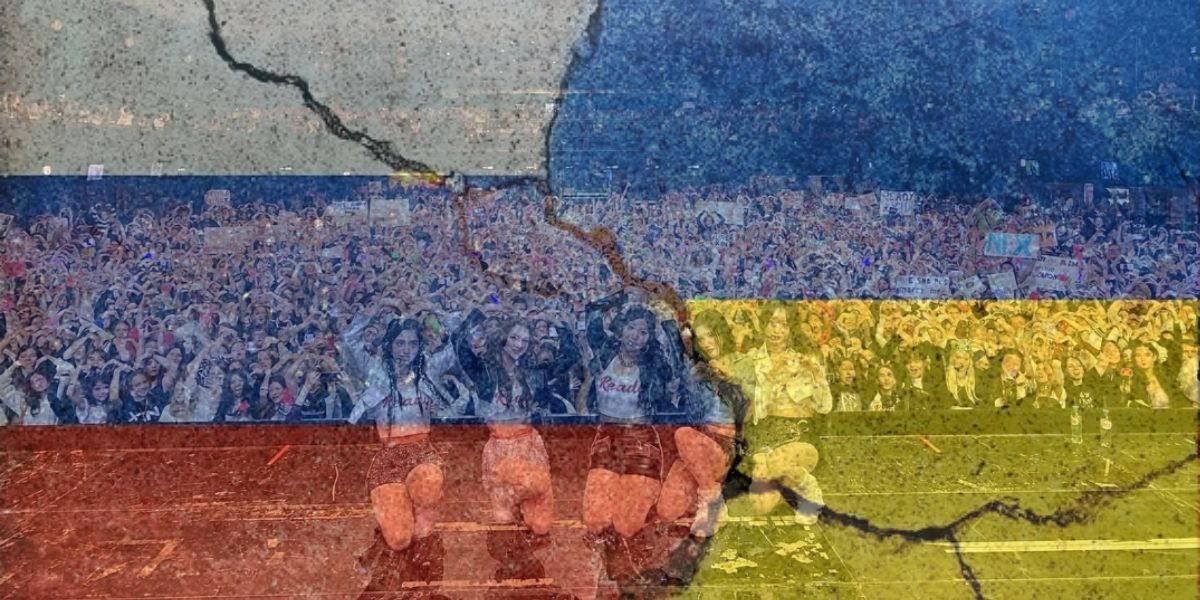
The global K-pop industry seems to be unstoppable. Despite the ongoing war in Ukraine, Russia has reemerged as a concert destination. Only a few artists have held a K-pop concert in Russia, but these shows attracted both excitement from local fans and criticism from international audiences. The situation reflects not only cultural and political tensions but also key business decisions. Agencies must weigh local market opportunities against possible reputational risks. In this complex environment, how should K-pop balance fan demand with global responsibility?
K-pop Idols Having Concert in Russia
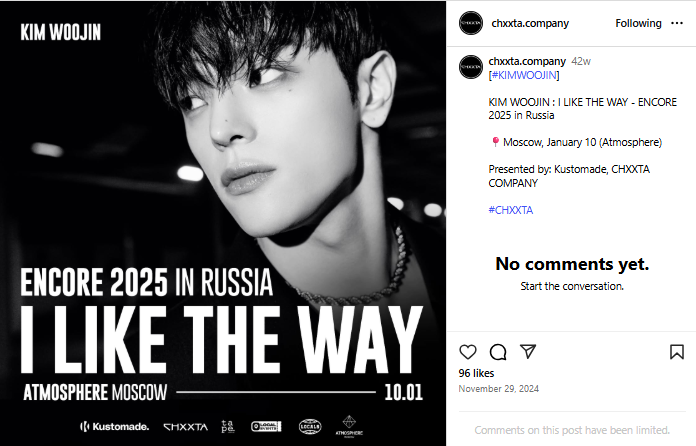
In recent years, a small number of K-pop artists have performed in Russia despite the ongoing conflict. In 2024 and earlier this year, Kim Woojin included Moscow in his “I LIKE THE WAY” tour at the Atmosphere Space. Also, K-pop girl group X:IN had a concert at St Petersburg, Russia in November 2024.
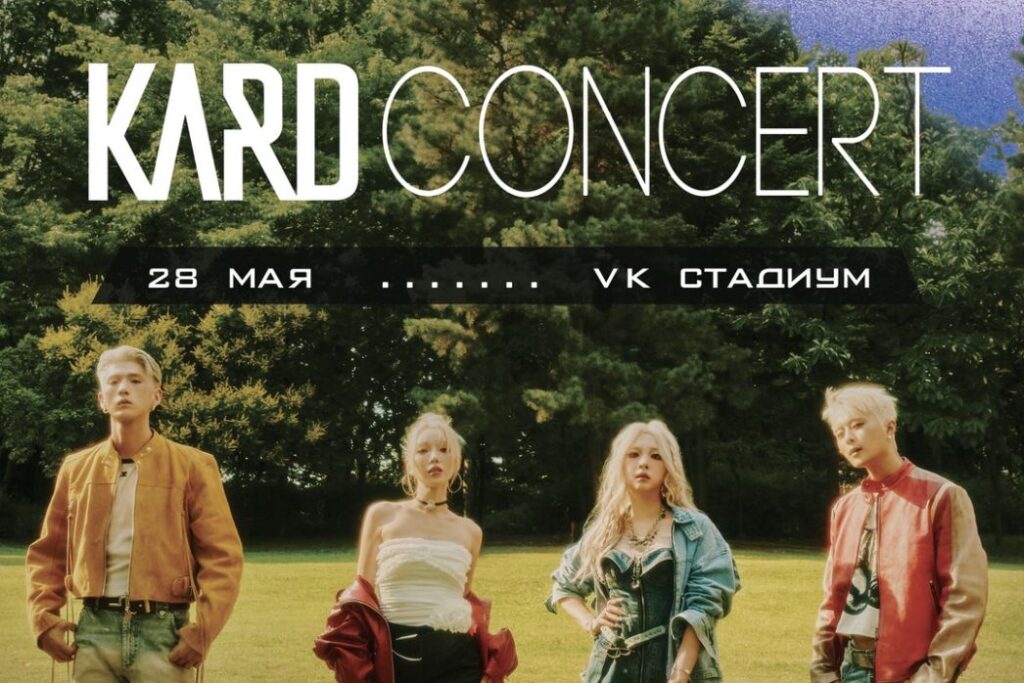
In 2025, KARD appeared at the VK Asian Dragon Fest on May 28 at VK Stadium. The event also featured Russian cover dance crews, vocalists, and cultural activities.
Meanwhile, some Ukrainian fans have voiced concern over reports suggesting that 8TURN may be preparing for a Russia concert.
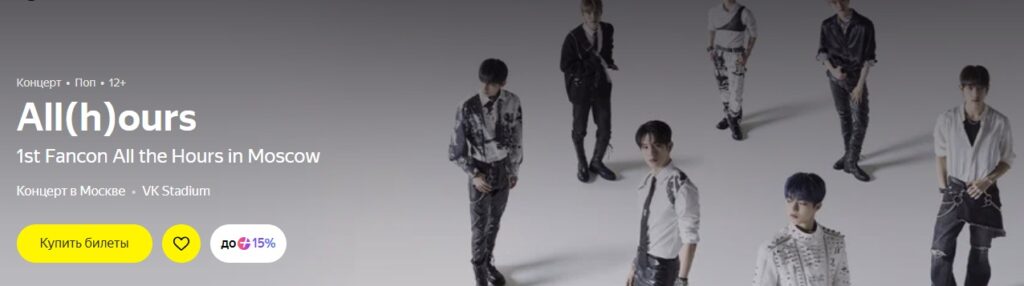
Later in the year, All(H)Ours is scheduled to hold its “1st Fancon All the Hours” in Moscow.
Fan Reactions Across Borders
Reactions have been divided.
Ukrainian fans, many living under daily air raid sirens and bombardments, expressed feelings of betrayal. For them, seeing K-pop idols perform in Russia was viewed as a disregard for their suffering. Petitions and online campaigns called for cancellations. Some even use terms like “blood money” to describe the concerts. Additionally, they are also concerned about the safety of the K-pop stars.
At the same time, Russian fans welcomed the return of K-pop, seeing it as recognition of their enthusiasm for Korean culture. For them, the performances offered a rare chance to connect with international artists at a time when many Western acts no longer tour in the country.
International fans outside the region have also debated the issue. Some argue that idols should avoid performing in Russia due to the political climate. In contrast, others emphasize that music should remain separate from politics and that fans in all countries deserve access to live entertainment.
Business and Political Perspectives
The Business Perspective
For entertainment companies, the decision to perform in Russia is not only cultural but also commercial. With many Western artists absent, Russia represents a relatively open market with strong demand for K-pop. Concerts can generate ticket revenue, merchandise sales, and increased visibility for groups seeking to expand their reach.
However, there are risks. Agencies must consider whether profits in Russia are worth the potential loss of trust among fans elsewhere. Global fandom is a central driver of K-pop’s success. And, discontent in one region can affect album sales, streaming numbers, and brand partnerships worldwide. Companies also face logistical and safety concerns, given international sanctions and ongoing conflict near major Russian cities.
Political Context
South Korea has aligned itself with international partners in condemning Russia’s invasion of Ukraine. Furthermore, Ukraine has consistently called for cultural boycotts of Russia. Although no formal restrictions prevent K-pop acts from touring there, the political backdrop adds sensitivity to any decisions made by entertainment companies.
In Russia, by contrast, officials and promoters have welcomed the presence of foreign artists. Concerts are seen as a sign of cultural normalcy and resilience, even as the conflict continues. This difference in political climate highlights the complex environment in which agencies must operate.
Industry Neutrality and Global Expectations
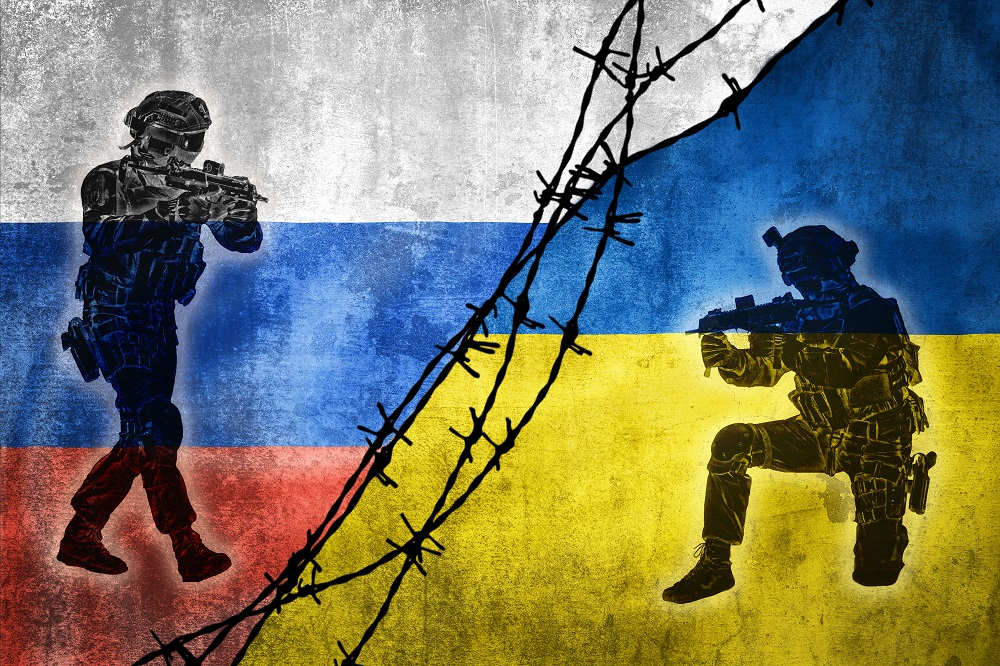
Traditionally, the K-pop industry has aimed to remain neutral on political issues.
Agencies and artists often avoid making statements about international conflicts, focusing instead on music and fan engagement. While this approach has helped K-pop grow globally, it is increasingly being challenged. Many fans expect their idols to represent important global values and social issues, especially during major conflicts, such as the Russia-Ukraine crisis and the Palestine-Israel situation. These expectations show that people want public figures to use their voices for important causes.
For agencies, the choice is not straightforward. Remaining silent helps avoid conflict with local markets. Nevertheless, it can create frustration among international fans who view neutrality as insufficient. Speaking out, on the other hand, risks political or commercial repercussions.
The debate around K-pop in Russia highlights a broader question: how should global entertainment navigate cultural exchange during times of war?
While opportunities remain in markets like Russia, reputational costs are becoming more visible.
For now, agencies are balancing these pressures by promoting Russian shows primarily through local channels, while keeping announcements subdued on international platforms. Whether this approach can be sustained in the long term remains to be seen, especially as fans, governments, and the media continue to scrutinize the industry’s choices.
Join us on Kpoppost’s Instagram, Threads, Facebook, X, Telegram channel, WhatsApp Channel and Discord server for discussions. And follow Kpoppost’s Google News for more Korean entertainment news and updates.