

If you’ve been in K-pop long enough, you remember the silence coming out of China. After all the connection you made online, when the ban against K-pop happened in China, it felt like a part of the fandom world had been suddenly locked away.
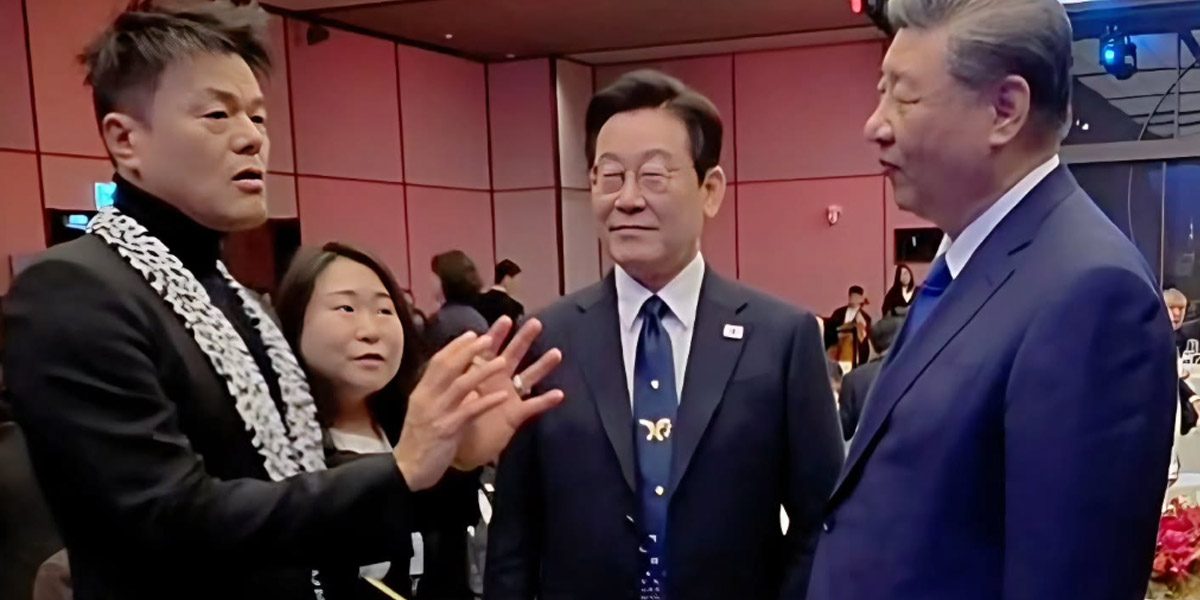
But then came the photo: Park Jin Young shaking hands with China’s President Xi Jinping, smiling beside Korea’s President Lee Jae Myung. Now, suddenly, the whispers grew louder. Could it be? Is the China K-pop ban finally ending?
Let’s find out and give us your opinion at the end of the discussion below.
The China K-pop Ban Explained: What Really Happened
To understand what’s happening now, you have to remember what froze everything.
Back in 2016, after South Korea deployed the THAAD missile system, China quietly restricted all Korean entertainment.
No concerts, no dramas on streaming sites, no brand endorsements featuring K-pop idols, because China had effectively shut all the doors on the world’s biggest fandom market.

Now, for the first time in nearly a decade, that door seems to be reopening.
On November 2, Park Jin Young — founder of JYP Entertainment and now co-chair of South Korea’s Presidential Commission on Pop Culture Exchange — met President Xi Jinping, together with South Korea’s president Lee Jae-myung.
Now, this wasn’t just a symbolic encounter because shortly after—whether it was related or not—a major partnership deal between South Korea’s KBS and China’s state broadcaster CMG followed during APEC 2025, paving the way for renewed media exchange and cultural programs.
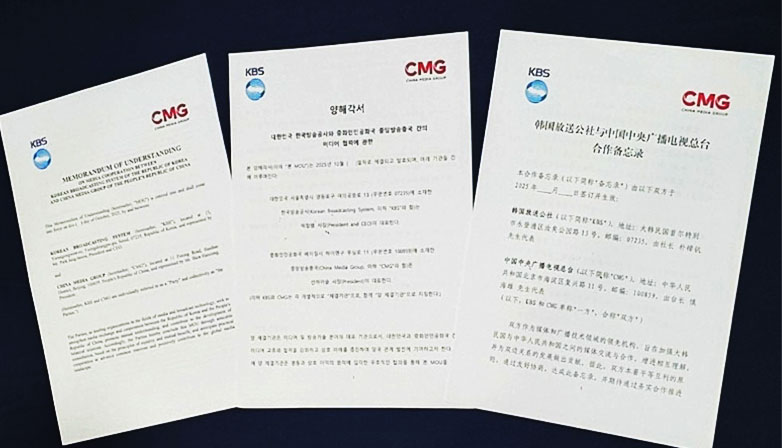
And while officials remain cautious, the optimism across both governments — and fandoms — is undeniable.
A Billion-Dollar Return: K-pop’s Market in China
Before the ban, China was one of K-pop’s biggest markets, estimated to generate billions through concerts, album sales, and endorsements. When PSY filled stadiums in Beijing and BigBang’s tour merch sold out in minutes, the numbers were staggering.
So now, when fans ask “why does this matter?”, the answer is simple: economics.
If the 2025 Hallyu ban lifting signals a full reopening, K-pop companies could see massive revenue rebounds. Streaming platforms like Tencent Music could relicense Korean catalogs. Major labels could restart fan events. And your favorite idols might finally perform in China again.
But really, it’s not just about money. It’s about influence.
Soft Power and Politics: Why K-pop Matters to Beijing and Seoul
Did you realize that behind all those stage lights, this comeback is just…pure diplomacy? Well, here’s how everything explained when the K-pop ban in China is finally lifted.
Now, for today’s South Korea, K-pop remains its strongest soft power export — a cultural bridge that defines its global image more than politics ever could. Meanwhile for China, reopening cultural exchange with Korea signals a friendlier stance to the global creative economy.
When President Xi Jinping reportedly instructed his foreign minister to consider a large-scale concert in Beijing, and seeing JYP’s meeting with the Chinese president himself, fans immediately flooded JYP’s post with hopeful comments like “JYP opened the door for us!” and “The Hallyu ban is finally over!”
Still, officials from both countries are keeping expectations realistic. Because the truth is, every bit of their moves is meticulously calculated with a blend of cultural charm and political timing.
Who Really Wins When the Ban Lifts — Fans, Idols, or Shareholders?
Now, here’s where things get complicated. If it turns real, investors and entertainment companies will be the firsts to celebrate this grand return of K-pop to China. Stock prices could rise. And sponsorships could return.
But for idols, this comeback might also come with tighter oversight. After all, there are strict content regulation for entertainment in China, including bans on what they considered as “effeminate men” or “fan chaos.”
Therefore, while K-pop groups may perform again, what they wear, say, or even sing might face new limits. That means your favorite artists could gain back a stage — but might also lose part of their creative freedom.
And you, the fan, might once again have to balance excitement with awareness. Because in this equation, fandoms are both audience and economic engine. The views, purchases, and trends you have created will actually determine who actually benefits from this diplomatic revival.
The Emotional Core: A Reunion Decade in the Making
Still, there’s something undeniably touching about this moment. Chinese fans — once silenced by politics — are filling comment sections again. “I’ve waited nine years to see them perform here,” one wrote under Park Jin Young’s post.
Because for them, the lifted ban on K-pop in China is beyond just high-profile economic lifeline—or policy—or trade. This is pure connection. After all these years of silence and isolation, Chinese K-pop fans will finally be able to see their favorite groups back in their home country.
This has also potentially become one of those rare moments of proof that music has the power to outlast politics.
And maybe that’s the lesson here. While governments negotiate and corporations calculate, fans simply hope for one thing — to sing along with their beloved idols again.
Despite the K-pop Ban in China, The Real Comeback Starts with You
The truth is, no political handshake or MOU will ever control what fandoms feel. The China Korea music exchange agreement might shape headlines, but it’s your engagement and your actions that gives it life.
As K-pop reenters China, every stream, every comment, every voice will desperately count. Because behind the comeback story, the possible lifted ban on K-pop in China will soon become a real-life test of how far music, community, and culture can go beyond politics.So, what do you think? If K-pop truly returns to China, what kind of stage do you want it to build? Please share your thoughts in the comments.
Join us on Kpoppost’s Instagram, Threads, Facebook, X, Telegram channel, WhatsApp Channel and Discord server for discussions. And follow Kpoppost’s Google News for more Korean entertainment news and updates.