

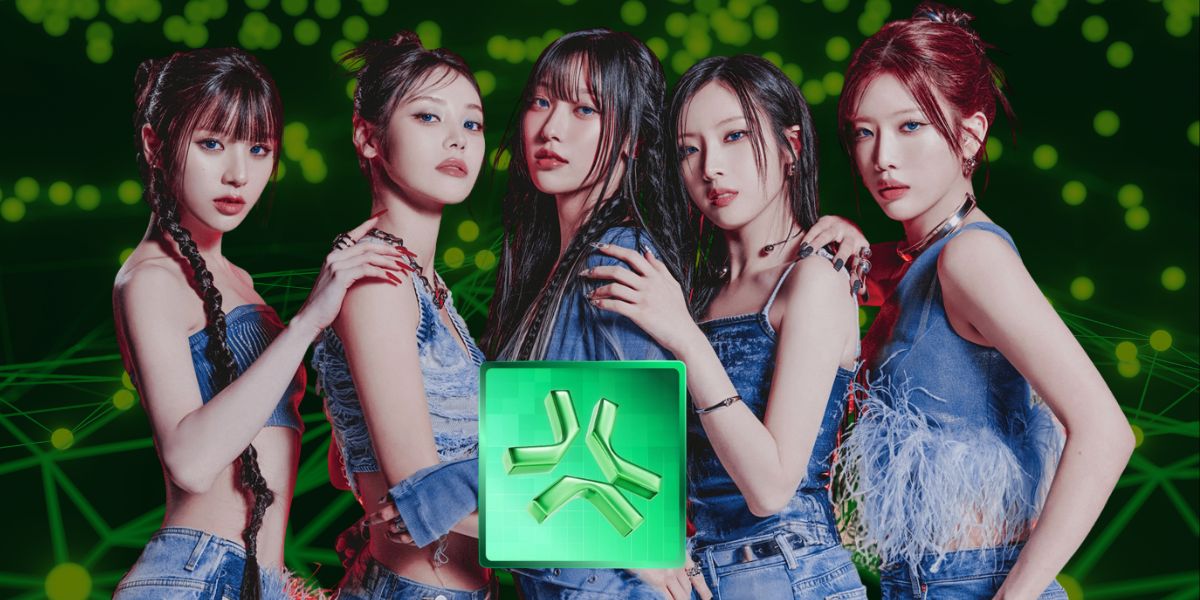
The recent partnership between Modhaus’ K-pop girl group ARTMS and blockchain platform Abstract Chain has ignited a broader debate about the role of Web3 technologies in the entertainment business. The collaboration, announced in mid-November, aims to introduce blockchain-driven fan engagement features, including digital collectibles and verifiable participation systems.
While the concept aligns with emerging global trends, the backlash from ARTMS’ fandom — known as Ouriis — suggests that the path toward blockchain adoption in entertainment may be more complex than industry players anticipated.
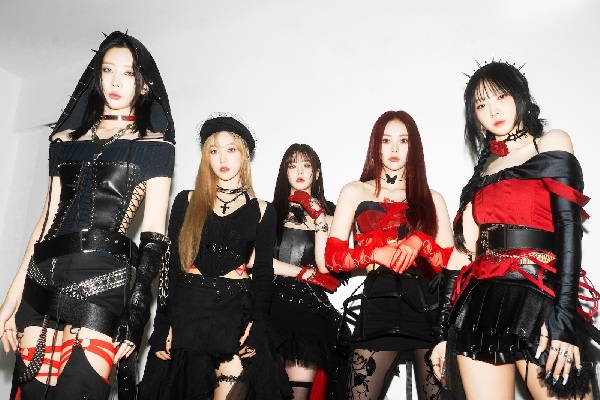
Business Strategy Behind the Blockchain Push
For agencies like Modhaus, blockchain presents long-term strategic value. The technology enables new revenue streams and transparent fan-participation models, building on the groundwork established with projects like TripleS, and now with ARTMS.
Emerging Opportunities
Digital collectibles, tokenized assets, and virtual merch are projected to drive the blockchain-in-media market. This market is expected to reach USD 7.6 billion by 2028.
On-chain loyalty programs allow companies to track engagement globally. As a result, it eliminates regional payment barriers in a market where over 70% of K-pop fans live outside Korea.
Smart contract–based transparency can be applied to voting, ticketing, and IP licensing — reducing fraud and enhancing trust.
ARTMS x Abstract Chain: Fan Backlash Highlights Key Concerns
ARTMS is bringing the ultimate K-pop experience to @AbstractChain.
— Official ARTMS (@official_artms) November 18, 2025
Collect & vote for your favorite K-pop idol.#ARTMS #아르테미스 pic.twitter.com/OutTvhAUiD
Despite its business appeal, the partnership prompted immediate online resistance. ARTMS fans express concerns via the trending hashtag #Ourii_Against_Abstract_Chain.
Main Points of Criticism of ARTMS x Abstract Chain Collab
- Making money from fandom: Fans worry blockchain could create a pay-to-participate dynamic or encourage speculative behavior.
- Negative NFT associations: Previous experiments in K-pop and global entertainment have linked blockchain to scams, environmental issues, and market crashes.
- Communication gaps: Supporters argue Modhaus did not provide adequate explanations about how the system would work or whether participation would be optional.
- Identity concerns: Fans say blockchain elements risk shifting focus away from music, artistry, and community.
Blockchain Applications in Entertainment
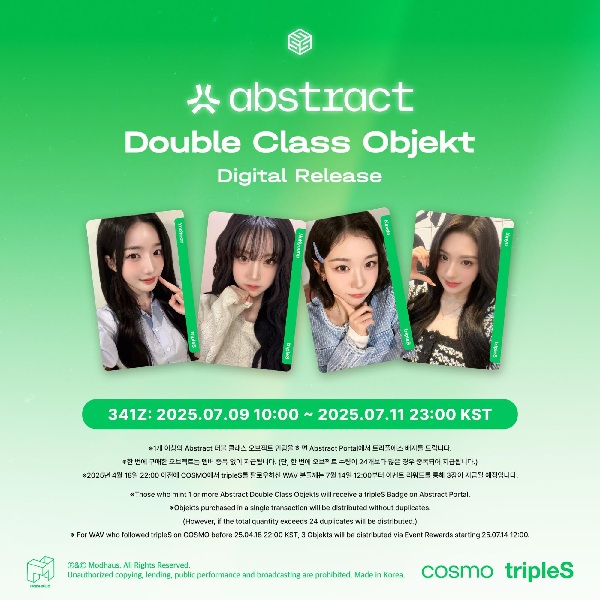
Blockchain is already being tested across multiple entertainment sectors. Key use cases include:
- Tokenization & Digital Goods: Digital photocards, virtual fan badges, and authenticated digital assets tied to IP.
- Participation & Governance: Token-based voting, similar to systems used by Modhaus for TripleS, where fans influence concept and content decisions.
- Security & Anti-Fraud: Blockchain-based ticketing and merchandise verification to prevent counterfeiting and unauthorized resale.
Major industry players — including SM Entertainment, HYBE, Warner Music Group, and Universal Music Group — have conducted pilots or launched blockchain initiatives, though often with mixed reception depending on communication strategy and the perceived necessity of Web3 features.
Industry Insights: How Entertainment Companies Can Introduce Blockchain Smoothly to Fandom

The ARTMS–Abstract Chain situation offers valuable lessons for agencies, labels, and entertainment tech partners. Experts suggest several approaches that could significantly ease the transition for fan communities.
1. Transparency First — Start With Clear, Plain-Language Communication
Blockchain is still viewed as complex and risky by many fans. Companies should:
- Clearly explain what blockchain features are being introduced
- Outline whether they are optional
- Provide real examples of how these tools improve the fan experience
Fans respond more positively when they understand why a new system exists.
2. Avoid Financial Pressure — Ensure Participation Is Optional
One of the strongest criticisms of Web3 initiatives is the fear of forced spending. Industry leaders can avoid backlash by:
- Ensuring all blockchain features are opt-in
- Offering free or low-cost alternatives
- Guaranteeing that essential fan activities do not require digital purchases
This helps maintain equality within fandoms, especially among younger audiences.
3. Prioritize Utility, Not Speculation
Fans reject blockchain when it appears profit-driven. To build trust, companies should focus on:
- Practical use cases (e.g., anti-scalping tickets, verifiable voting, loyalty points)
- Clear benefits unrelated to asset value or resale
- Long-term engagement tools rather than limited-time “drops”
The goal should be smoother fan experiences, not creating markets for speculation.
4. Involve Fans Early in the Development Process
Companies can reduce resistance by:
- Hosting town-hall–style livestreams
- Conducting surveys
- Inviting influential fan representatives to closed beta tests
Fandoms respond better when given a voice before major changes are implemented.
5. Highlight Artist Benefits — Not Corporate Gains
Fans care deeply about their artists. Companies that demonstrate how blockchain improves royalty transparency, reduces middleman losses, and help artists retain more control over their IP are more likely to win support.
When fans see that Web3 tools empower artists, they are more open to adoption.
6. Partner With Reputable, Well-Regulated Tech Providers
The negative reputation of NFTs often stems from unstable or speculative platforms. Agencies should:
- Work with companies experienced in entertainment
- Prioritize those using low-energy, environmentally friendly blockchains
- Provide clear data security assurances
Trustworthy partnerships can help reassure skeptical fans.
Looking Ahead
The controversy surrounding ARTMS and Abstract Chain underscores a broader entertainment industry dilemma: how to balance innovation with the expectations of passionate, highly informed fan communities.
While blockchain offers tangible business advantages — from secure engagement systems to cross-border scalability — its adoption must be handled carefully.
The industry’s next steps will determine whether Web3 becomes an accepted part of fandom culture or remains a point of friction between companies and supporters.
For now, one question remains at the center of the conversation: Can blockchain be introduced in a way that strengthens fan relationships rather than challenging them?
Join us on Kpoppost’s Instagram, Threads, Facebook, X, Telegram channel, WhatsApp Channel and Discord server for discussions. And follow Kpoppost’s Google News for more Korean entertainment news and updates.











It is not that simple. Ouriis do not support not only because it's blockchain. But you need to see deeper about Abstract Chain, it support ge**cide! #Ourii_Against_Abstract_Chain