

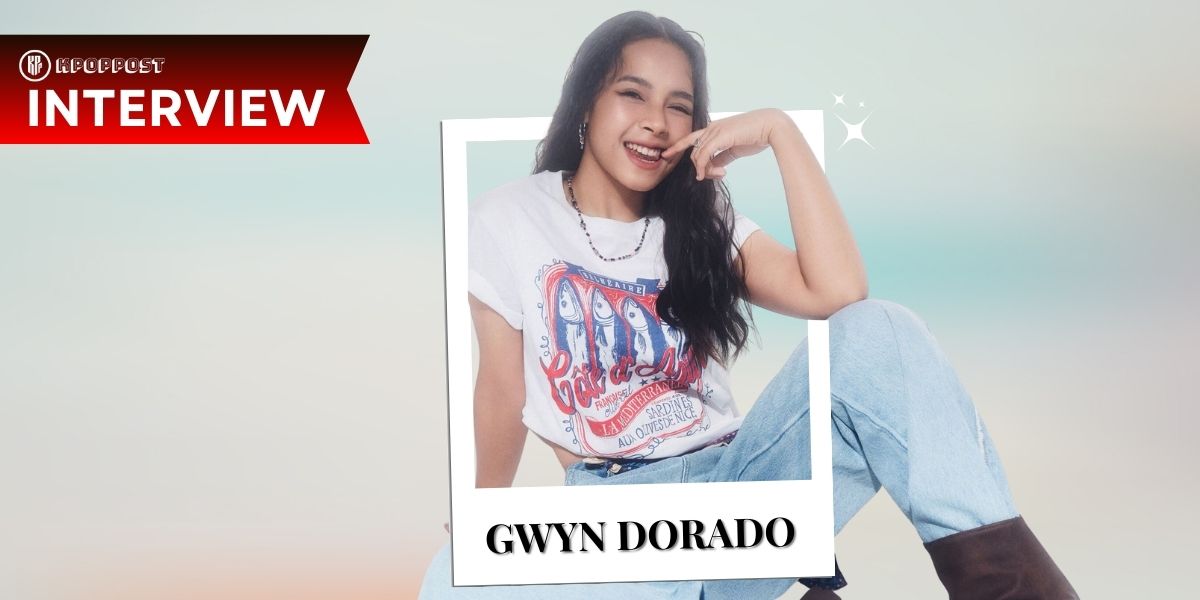
Filipina singer Gwyn Dorado shares her inspiring journey in South Korea, where quiet discipline, cultural curiosity, and emotional storytelling shaped her rise on Sing Again 4. From navigating language and training to connecting deeply with Korean audiences beyond words, her story is one of patience, authenticity, and finding her voice—one step, one song, and one story at a time.
When Gwyn Dorado talks about her life in South Korea, she does not speak in milestones or victories. She talks about schedules. Practice. Preparing for the next day. One step at a time. That quiet focus may be the reason her journey has resonated so deeply with Korean audiences.
Gwyn Dorado: Finding Her Place in Korea’s Music Scene
A Filipina singer, Gwyneth Jearei S. Dorado, navigating one of the most demanding music industries in the world, Gwyn became a breakout presence on Sing Again 4, where she finished as runner-up and emerged as the only foreign artist to reach the final stages of the competition.
Her performances moved audiences to tears, even when language stood in the way. Judges praised her emotional delivery. Fans flooded social media with messages of support.
And yet, when asked if the weight of being seen as the first Filipino woman to reach this level of recognition in Korea has sunk in, her answer is simple.
Not yet.
“I’m just trying to take it one day at a time,” she says. “There’s today’s schedule. Then tomorrow’s schedule. I just focus on preparing.”
Meeting her in person highlighted that grounded mindset runs through every part of her story.
“Dorado” means golden, and Gwyn lives by her name, as an artist and as a human.
Arriving in Korea: The First Shock for Gwyn Dorado
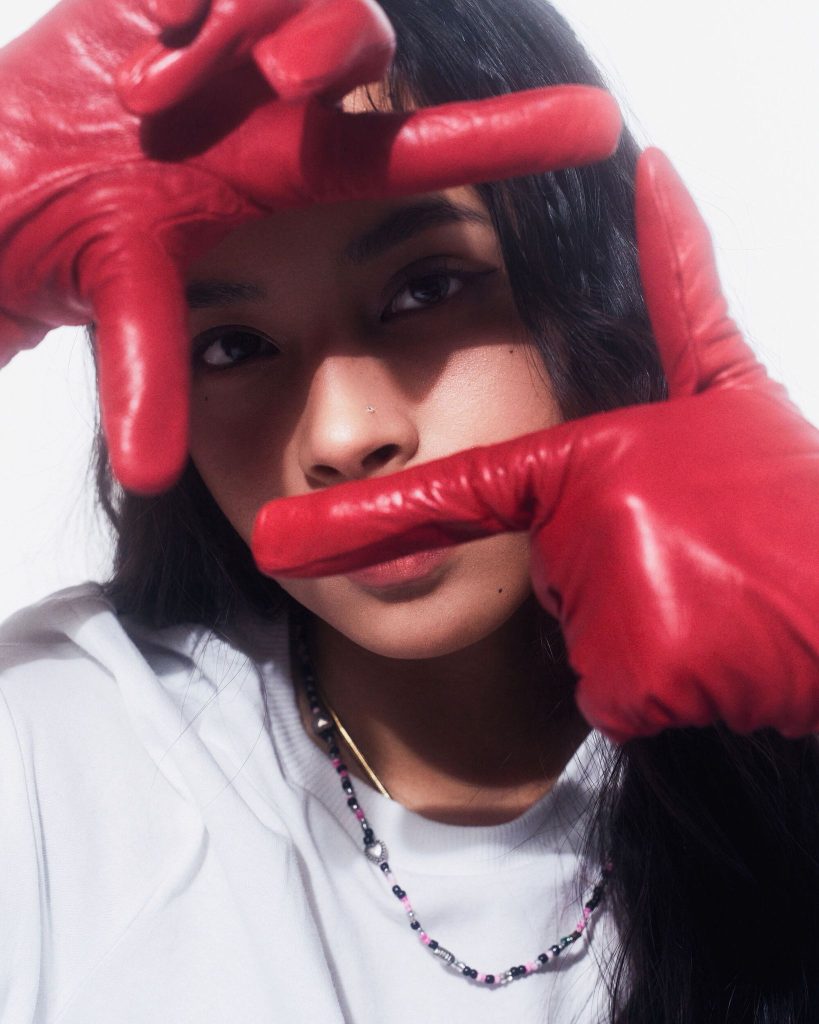


When Gwyn first arrived in South Korea from the Philippines, it wasn’t the pace or the pressure that surprised her most. It was something far more ordinary.
“The amount of food in one sitting,” she laughs.
It’s a small detail, but it says a lot. Her adjustment to Korea was not framed by fear or resistance, but by observation. She noticed differences. She absorbed them. She let herself be curious.
That openness would later become one of her greatest strengths on stage.
When the Audience Connected
Sing Again 4 moved fast. Faster than Gwyn expected.
“The journey went by so quickly,” she says. “It hasn’t really sunk in.”
But there were moments when she felt something shift.
Not in the scores. Not in the rankings.
It was in the way audiences reacted.
There were performances where she could feel the room lean in. Where silence carried as much weight as applause. Where emotion crossed the gap between performer and listener without explanation.
For Gwyn, that connection didn’t come from technique alone.
Singing Beyond Words
Many viewers found themselves deeply moved by Gwyn’s performances even when they didn’t fully understand the lyrics. Asked where she thinks that emotional pull comes from, her answer is personal.
“One of my regrets is not spending enough time with my sisters when I could,” she admits. “So, when I sing, I bring my own story into the song.”
She does this deliberately. Every song becomes a vessel for memory.
“I always find my own story first,” she says. “Then I share it.”
It’s a form of storytelling that doesn’t depend on language. The audience may not know the exact words, but they recognize the feeling.
Singing in Korean: More Than Pronunciation
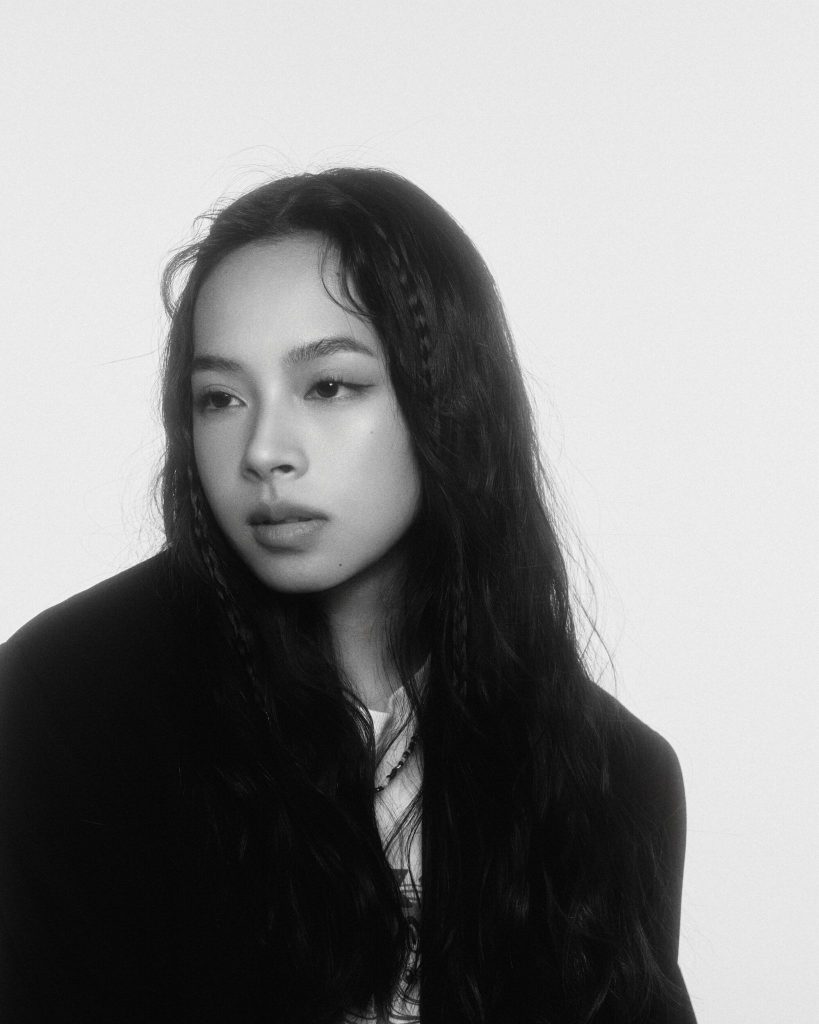
Singing in Korean on a Korean stage is not just a technical challenge. It is cultural. Emotional. Subtle.
Gwyn understands this deeply.
“There are words in Korean that don’t translate directly,” she explains. “Just like in Tagalog.”
Learning Korean for her wasn’t about memorizing vocabulary. It was about understanding nuance. Tone. Expression. The difference between saying something with a smile or with restraint. The unspoken layers behind a phrase.
“I had to learn not just the language, but the culture,” she says. “How emotions are carried.”
That process changed her relationship with music.
The more she learned, the more connected she felt. Not only to the songs she sang, but to the people listening.
The Pressure and Proof
As a foreign artist, Gwyn felt pressure. She won’t deny it.
“Everyone wants to prove themselves,” she says.
But she made a conscious decision early on.
Instead of trying to prove she was good enough, she focused on telling her story.
“I didn’t want to convince them I was great,” she says. “I wanted them to listen.”
That choice shaped how she approached every stage.
Messages That Stayed with Gwyn Dorado
Throughout the show, fans reached out with messages of encouragement. Many told her they cried during her performances.
Those messages mattered.
“Knowing that people were moved just by me telling my story,” she says, “that gave me strength.”
She pauses before adding something important.
“They were happy tears.”
That distinction matters to her. Music, for Gwyn, is not about sorrow alone. It’s about connection.
A Calm That Comes from Discipline
Viewers often commented on Gwyn’s calm presence. Her grounded energy. Her lack of visible panic even under pressure.
That calm is not accidental.
“If I don’t practice for a day, I can’t sleep”
She thrives on preparation. On routine. On the quiet satisfaction of improvement.
Korea’s training culture appealed to her for that reason.
“I knew it wouldn’t be easy,” she says. “But I wanted that structure.”
Why Korea?
Gwyn did not take the obvious path. She did not aim first for the Western market.
“Korea gives artists space to grow,” she explains. “Real space.”
She talks about long training days. About companies that invest in development. About seeing progress day by day.
That environment mattered to her, and she has been lucky to find what’s best for her, with her agency.
“Korea isn’t just about spark,” she says. “It’s about sustainability.”
A Challenging but Rewarding Market
From a business perspective, Korea is demanding. The workdays are long. The expectations are high. The scrutiny is real.
But for Gwyn, that challenge is also what makes the market rewarding.
“When you’re given space to train and you see results, you want to keep going.” Gwyn Dorado.
That mindset kept her grounded through Sing Again.
What Sing Again Taught Her
One of the biggest lessons Gwyn took from the show had nothing to do with vocal range.
“Korean audiences care about story,” she says. “Emotion matters more than technique.”
That realization changed how she prepared.
She studied lyrics more closely than ever before. Not just what they meant, but how they would feel to someone listening.
Learning Korean: Frustration and Breakthroughs
Language remains one of the biggest barriers for international artists in Korea. Gwyn is honest about the frustration.
“You don’t get frustrated with the language,” she says. “You get angry at yourself that you almost get it but it’s not perfect yet”
Classroom Korean and real-life Korean don’t always align. Conversations move faster. Expressions shift.
But then, suddenly, something clicks.
“You realize you can hold a conversation,” she says.
For Gwyn, language and music are inseparable.
“If you can speak it, you can sing it, because you can feel and understand the meaning of each word attached to a feeling.” Gwyn Dorado.
She compares it to Filipino music, where emotion lives in how words are spoken, not just sung.
Choosing Songs Without Losing Herself
Song selection during Sing Again was strategic, but never forced.
They began with classics. Songs that carried emotional weight.
“I didn’t try to sound Korean,” she says. “And I didn’t try to sound foreign.”
Instead, she let her Filipino and Korean influences meet naturally.
“All those feelings came together,” she says. “That’s what people felt.”
How Gwyn Dorado Works with a Korean Agency
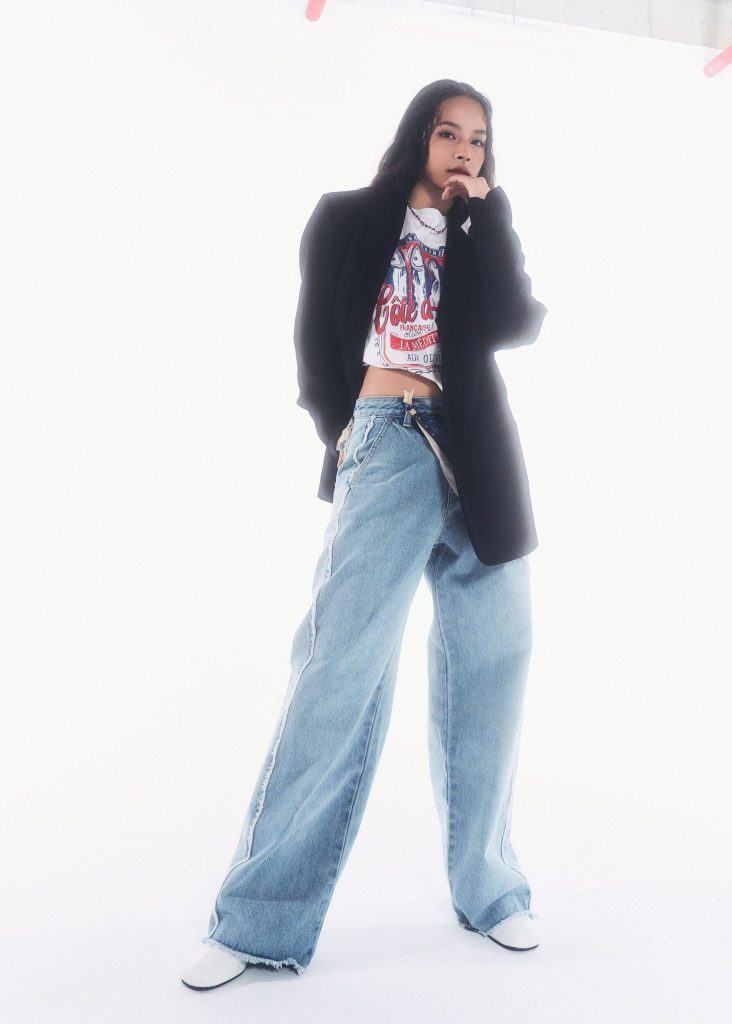
Gwyn speaks warmly about her agency experience with AO Entertainment.
“They gave me space,” she says. “And resources.”
Rather than rigid control, she describes collaboration. Korean lessons. Piano lessons. Open conversations about schedules and goals.
“They trusted me,” she says.
That trust helped her grow not only as an artist, but as a professional.
Looking Ahead
Asked about songs she dreams of performing in the future, Gwyn smiles.
She mentions that she would love to sing and collaborate with Lee Young-ji, known for blending rap and vocals. A challenging piece. Something she hasn’t tackled yet.
“It’s hard,” she admits. “Rapping in Korean is not easy.”
But she’s open to the challenge. To collaboration. To growth.
A Quiet Milestone
Gwyn Dorado may not yet feel the full weight of what she has achieved. But others do.
Within Korea’s small but tight Filipino entertainment community, her name carries pride.
Among Korean audiences, she represents something rare: authenticity without spectacle.
She did not arrive to conquer the industry. She arrived to learn.
And in doing so, she found something more lasting than applause.
A place to tell her story.
And perhaps, next time I’ll see her, it will be on stage, with Lee Young-ji.
Join us on Kpoppost’s Instagram, Threads, Facebook, X, Telegram channel, WhatsApp Channel and Discord server for discussions. And follow Kpoppost’s Google News for more Korean entertainment news and updates.