

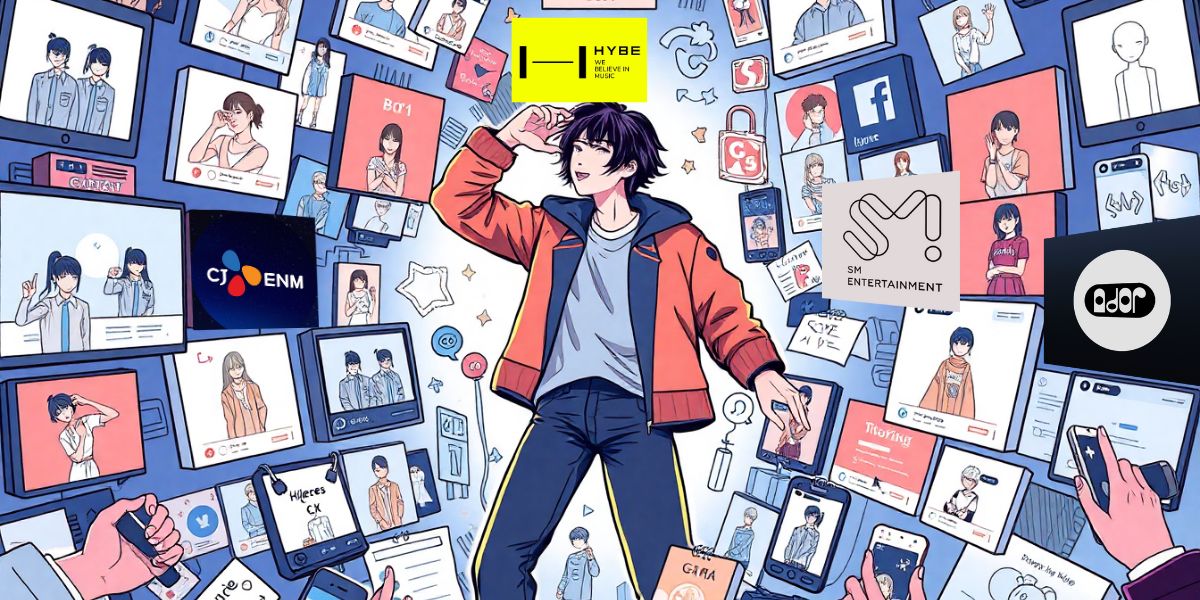
For years, people associated K-pop agencies with music companies. They scouted talents, produced albums, and promoted artists, all three-in-one process in-house. On the surface, the definition still seems accurate. But behind the scenes, the K-pop business logic has shifted. Music, including K-pop, has become the entry point into a system built around long-term intellectual property (IP). Developing artists became a strategy for extending across media platforms.
And why? You might ask? Well, let’s take a look in detail.
Behind the IP Model: Why Music Alone Is No Longer Enough?
Albums do not function as standalone profit drivers. Recorded music is experiencing diminishing returns–streaming payouts are too low, competition for attention is high, and production costs are creeping up.
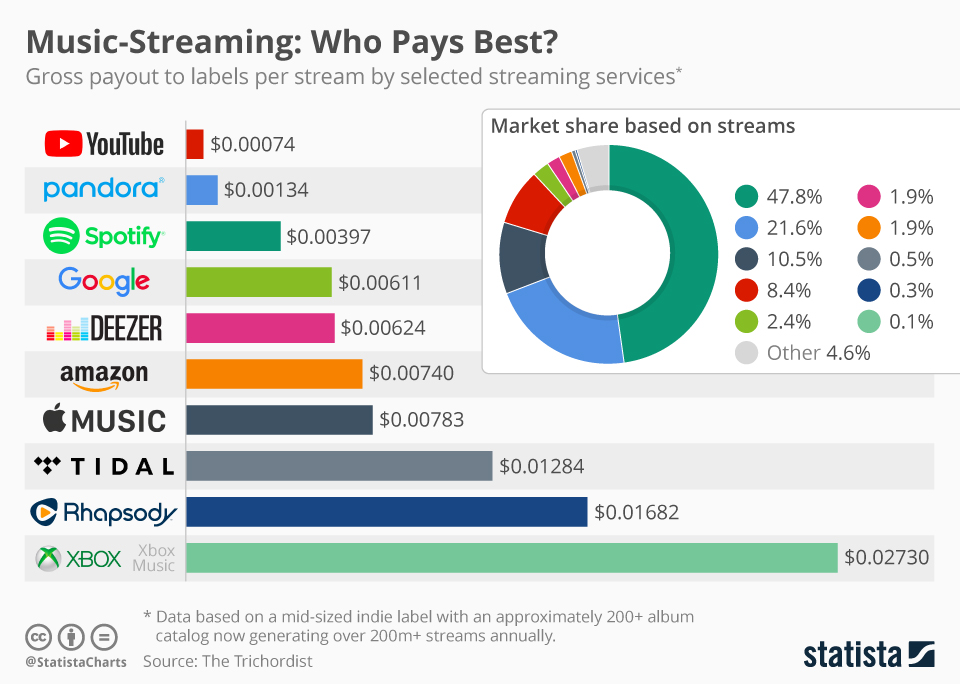
Streaming dominates how music is consumed. More platforms pay only fractions of a dollar per stream–often between $0.003 and $0.01, according to major platforms–Spotify, Apple Music, Amazon Music, and YouTube Music–depending on the service. Even at millions of streams, earnings are distributed among labels, publishers, and artists, giving little to no profit in return.
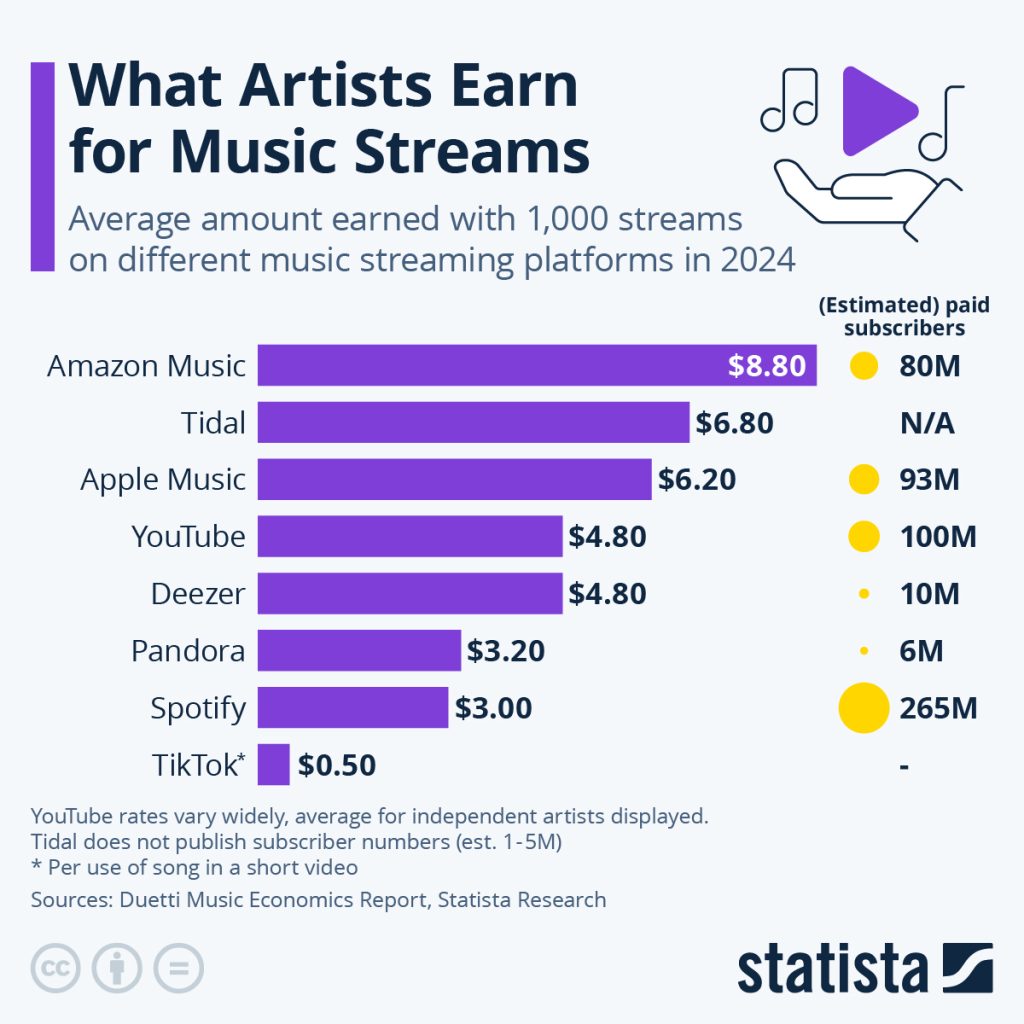
Live touring and merchandise production significantly allow higher returns, which can equal the revenue generated by thousands of streams. These revenue channels are built on identity and emotional attachment that can expand into something greater and long-term, hence an IP.
What “IP Company” Means in the K-Pop Context?
In the entertainment context, IP refers to assets that can be owned, expanded, and monetized across multiple platforms and formats at once. In K-pop, this IP takes on a hybrid form–part real person, part constructed narrative.
It typically operates across three layers:
1. Character IP
Agencies like ADOR exemplify this identity-first approach (New Jeans), in which their artists are introduced through concept and visual language–performance style, tone, and public image work together to create a recognizable “character” that is immediately identifiable.
2. Narrative IP
SM Entertainment has long thrived through interconnected artist universes (EXO’verse) while HYBE expands storytelling across web content and social interactive platforms (Weverse).
3. Expandable IP
Companies such as CJ ENM are integrating survival shows, drama production, and music into a unified cycle (Boys Planet), where artist IP is official before debut.
The Future: Where Value Actually Scales
From a business perspective, agencies will continue to invest in all the different media to generate enough revenue. This industry path established worlds, characters, and experiences designed to last. In today’s landscape, the music opens the door, but intellectual property is what keeps it open.
Join us on Kpoppost’s Instagram, Threads, Facebook, X, Telegram channel, WhatsApp Channel and Discord server for discussions. And follow Kpoppost’s Google News for more Korean entertainment news and updates.