

The 2006 Vincent & Co scandal remains South Korea’s most infamous luxury fraud. Scammers marketed 80,000 KRW watches as Swiss-made luxury treasures. They used a sophisticated manufacturing loop to secure “Made in Switzerland” labels. This massive deception earned 700 million KRW in profits before being exposed. Netflix’s “The Art of Sarah,” a new K-drama in February 2026, now revives this deception for a modern audience. The series explores how vanity and celebrity influence can mask
“The Art of Sarah” K-drama: Unmasking the Real 2006 Luxury Watch Fraud
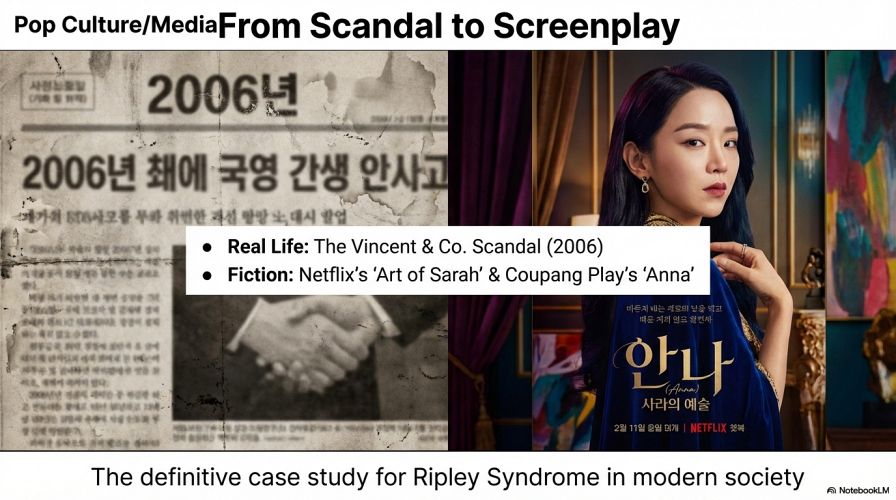


Luxury is often a lie. A new Netflix K-drama, “The Art of Sarah,” is now reviving a dark chapter of Korean business, the Vincent & Co. scandal.
This scandal was a planned fraud that targeted the egos of the elite. The counterfeit brand Vincent & Co. fabricated its history and used celebrity influence to deceive the entire country.
The business model relied on the illusion of European prestige. This strategy successfully deceived the elites for months.
Although the Korean drama “The Art of Sarah” on Netflix is fictional, the business mechanisms are real. These methods once deceived an entire country.
This case serves as a warning, showing how marketing can blind everyone, even experienced investors.
Evaluate the Scam Mechanics
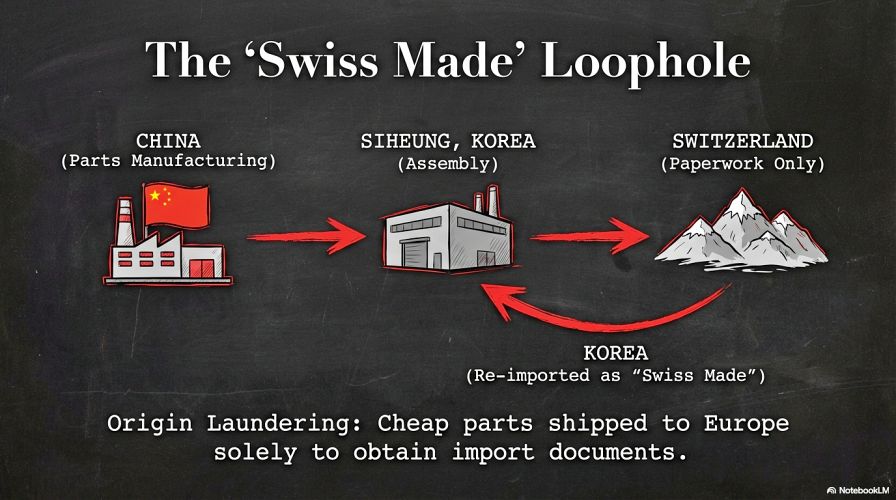
The Vincent & Co. scandal relied on a complex manufacturing loop. The mastermind created a brand in 2000. The brand was registered in both Switzerland and Korea to provide a layer of legitimacy.
Watch components, including hands, cases, and straps, were from China and Korea. These were then shipped to a small facility in Switzerland.
There, the local workers performed minor reassembly tasks. This maneuver allowed the brand to obtain a genuine import declaration certificate. Customs officials viewed the goods as authentic Swiss imports.
| Marketing Claims | Actual Reality | Target Audience |
|---|---|---|
| 100-year Swiss royal heritage | Brand created in 2000; only 6 years old. | Unsuspecting socialites |
| Exclusive European royal supplier | Ghost brand with no European presence. | High-net-worth status seekers |
| Pure Swiss manufacturing | Parts from China; assembled in Siheung, Korea. | Luxury brand enthusiasts |
| “Made in Switzerland” label | Minor reassembly in Switzerland to bypass laws. | Customs and trade regulators |
The Vincent & Co Case Facts:
- Timeframe: The fraud peaked and collapsed in 2006.
- Sentence: The lead distributor received a four-year prison term for fraud.
- The Lie: They claimed a 100-year history with the British and Monacan royals.
Deconstructing the “Swiss-Made” Mirage
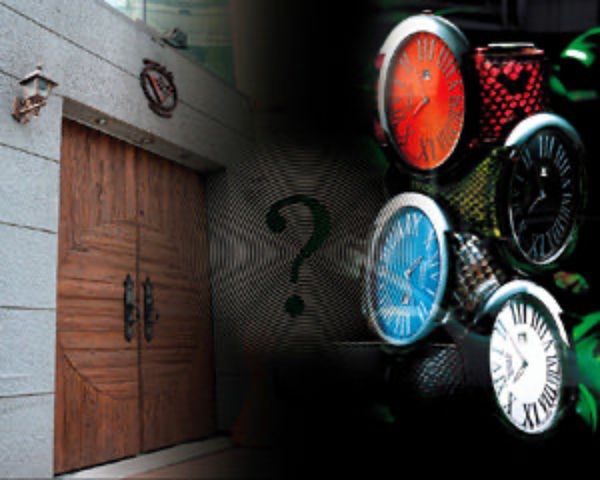
Manufacturing labels carry great power in the luxury market. A “Swiss” label often carries a high price tag. Vincent & Co. exploited a legal loophole to manufacture trust. They used this import declaration certificate to fool customs and elite retailers.
Actual Cost vs. Sale Price: A watch sold for 97.5 million won (~$90,000) cost only 3 million won to manufacture. Standard models priced around 5.8 million won had a manufacturing cost of only 80,000 to 100,000 won.
| Item | Cost/Price Amount |
|---|---|
| Manufacturing Cost | 80,000 – 200,000 KRW |
| Retail Price | 5.8 Million – 97.5 Million KRW |
| Total Reported Profit | 700 Million KRW |
This supply chain fraud succeeded through social proof validation. People trusted the label without checking the background.
The Celebrity Endorsement Trap
Social proof often overrides due diligence in luxury marketing. Top-tier stars become unintentional shields for fraudulent brands. The company spent 130 million KRW on a launch party.
The event took place at a T-bar in Cheongdam-dong. It gave the brand instant credibility among the elite. Celebrities attended the event and wore the watches in public. Their status made the brand seem authentic to consumers.
According to Donga, several stars were involved. Reported victims included Ryu Seung-beom, Lee Jung-jae, and Choi Ji-woo. Their participation blocked a deeper public investigation.
Vulnerabilities in the Luxury Market
In the Vincent & Co. case, systemic failures allowed a ghost brand to enter high-end department stores. Retailers failed to verify the “100-year history” claim. They prioritized the brand story over product quality.
Industry experts noticed major red flags at the time. No Swiss staff appeared at the launch events. The interior designs also looked “shabby” for a luxury store. These warnings were ignored by eager buyers.
Contrast this with the later “Gio Monaco” scandal. That brand was real, but used exaggerated advertising. Vincent & Co. was a complete ghost brand. It shows how brand story can mask supply chain rot.
“The Art of Sarah”: Turning Fraud Into Global Content
Real-life white-collar crime has become a valuable intellectual property. Streaming platforms like Coupang Play and Netflix are using these stories to attract global audiences.
In 2022, fraud experienced a resurgence as a plot device in Coupang Play’s K-drama “Anna,” starring Suzy. This series directly references the incident by name. In a pivotal scene, the protagonist, Yumi (played by Suzy), attempts to resell a watch that is revealed to be a “fake luxury” brand from China.
The sales clerk explains that the watch was part of a famous scam. They brought the components from China but assembled in Korea, and with Swiss screws to claim a “Swiss Made” label, a direct mirror of the Vincent & Co. method.
The Netflix K-drama “The Art of Sarah” transforms the 2006 scandal into a mystery-thriller.
The counterfeit item in the K-drama “The Art of Sarah” is a luxury handbag, while in Vincent & Co., it was a Swiss-made luxury watch. The character Sarah Kim reflects the real-life Vincent & Co mastermind. Shin Hae-sun plays Sarah Kim, who builds a fake, perfect life through deception.
Sarah uses fake VIP status to gain trust, much as Vincent & Co. held lavish launch parties in Cheongdam-dong and used celebrity word of mouth to establish an image of authenticity.
The series uses an eight-episode format to build tension. Lee Jun-hyuk plays the detective trying to solve the mystery of her death.
The Netflix K-drama “The Art of Sarah” resonates with the modern world. Today’s viewers are more critical of luxury branding.
They enjoy seeing the machinations of high society exposed. The show highlights the gap between public image and private reality. It acts as a reminder that prestige is often manufactured in a factory.
This narrative shift leads to a broader evaluation of trust in the luxury sector.
Lessons from a Ghost Brand
True luxury requires more than a high price tag. Reputations are built over decades and are not easily fabricated. Brands without a real history will always fail.
Vanity often blinds consumers to obvious red flags and marketing lies. Don’t let a glossy story hide a lack of substance. Marketing hype, on the other hand, is always temporary.
“Fake heritage” has a long-term impact on investor confidence. The market now demands proof of craftsmanship and a verified history. The Korean drama “The Art of Sarah” demonstrates the high price of a fabricated history.
Authentic branding remains the only way to build long-term value in the luxury world.
Join us on Kpoppost’s Instagram, Threads, Facebook, X, Telegram channel, WhatsApp Channel and Discord server for discussions. And follow Kpoppost’s Google News for more Korean entertainment news and updates.