

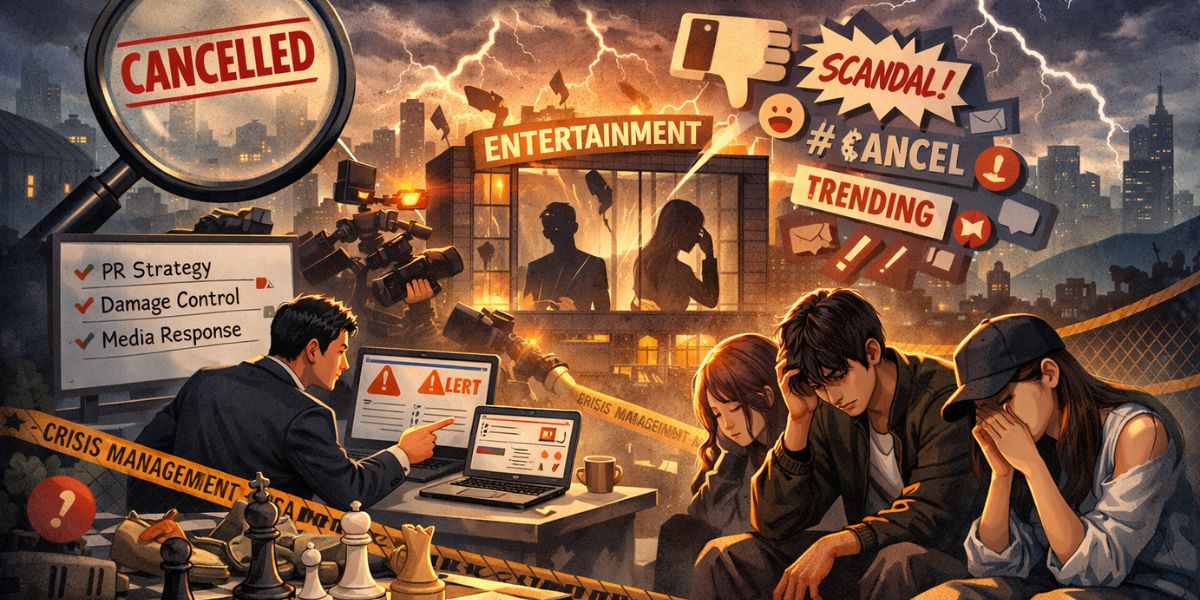
The wave of cancel culture in the K-entertainment industry has drastically changed the way agencies manage their artists’ reputations. Within hours, an accusation can escalate into a massive public shaming campaign on social media, shattering a Korean idol’s career, which has taken years to build. Amidst the rapid flow of digital public opinion, K-Entertainment agencies act merely as the strategic control center for crisis management agencies.
Various controversies demonstrate how fragile an idol’s position is in the face of public opinion. A single anonymous post can trigger an internal investigation. The agency’s response is increasingly under scrutiny: whether they choose a swift clarification, a public apology, legal action, or a hiatus to defuse the situation.
This phenomenon has led to the recognition that reputation is no longer just an additional asset. It is the primary foundation of business sustainability.
The Rise of Cancel Culture in K-Entertainment
Empirical data show that cancel culture in K-pop is not an isolated phenomenon, but rather a recurring pattern. One study found that nearly 70% of canceled culture cases involving K-pop idols were triggered by allegations of school bullying, moral scandals, or controversial social media comments.
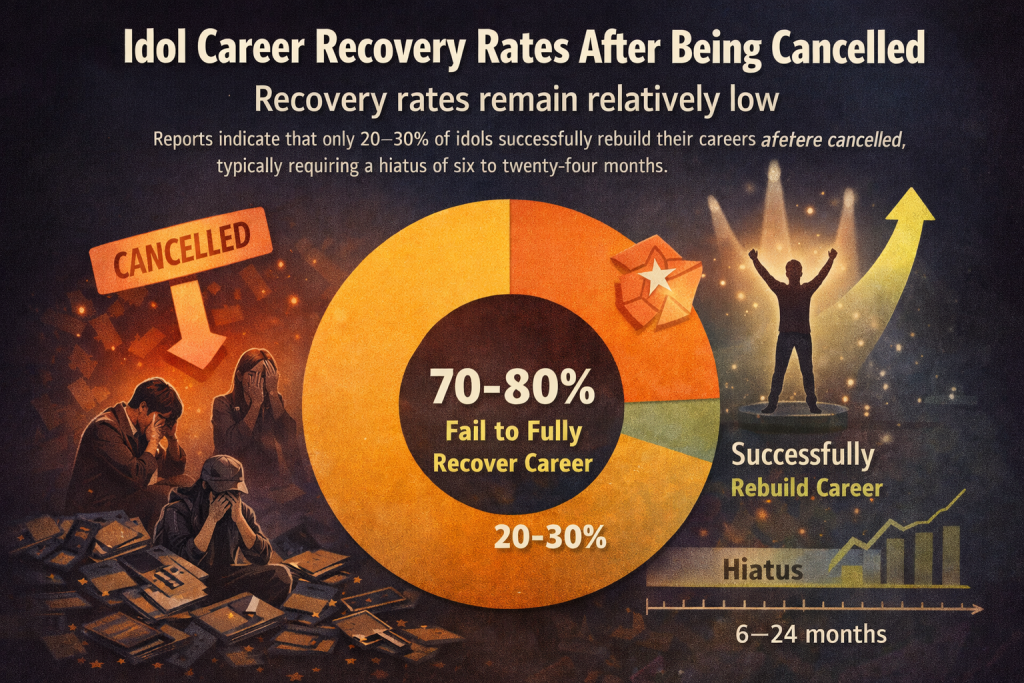
Recovery rates remain relatively low. Reports indicate that only 20–30% of idols successfully rebuild their careers after being canceled, typically requiring a hiatus of six to twenty-four months. During this period, artists often suspend activities, risking removal from television programs or brand campaigns.
With the various narratives artists face, public clarification and apologies have become crucial strategic tools. For idols and their agencies, issuing transparent statements is not merely an act of personal defense but a calculated effort to preserve their public image and mitigate reputational damage.
Why Reputation Equals Revenue
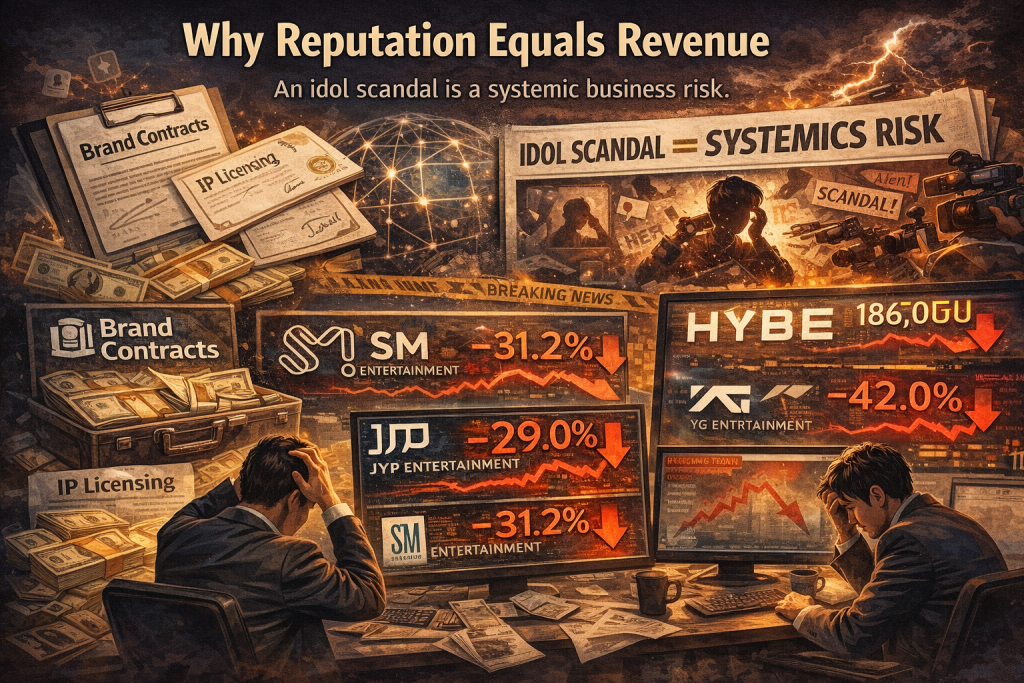
In addition to managing artists, entertainment agencies also manage brand contracts, IP licensing, global distribution, and investor confidence. In the increasingly integrated structure of the K-pop industry, an idol scandal is defined as a systemic business risk.
For public companies like HYBE, SM Entertainment, and YG Entertainment, major controversies can directly impact stock valuations. Throughout 2024–2025, several agencies experienced stock price declines immediately following scandals involving their affiliated artists.
- HYBE saw its stock price drop to 186,000 won, its lowest level in 2024, following an internal dispute with Min Hee-jin in May 2024. The stock fell another 2.4% when news of the sale of SM Entertainment shares surfaced, then declined further in 2026 following the court ruling in Min Hee-jin’s case.
- YG Entertainment was among the hardest hit, with shares dropping 42% year-to-date in 2019 due to a series of scandals involving Yang Hyun-suk and the Burning Sun case. Pressure continued in 2023, when the stock fell 7.89% following G-Dragon’s drug abuse allegations, and conditions worsened after prostitution allegations pushed the price below 30,000 won.
- SM Entertainment was also similarly impacted, with a 31.2% year-to-date decline in 2019 following a series of scandals. In 2024, the stock price fell by 5.74% amid rumors linking the company to HYBE.
- JYP Entertainment also experienced a similar 29% year-to-date decline in 2019. Entering 2024, several analysts were skeptical about the company’s stock price recovery, believing that K-pop’s growth trend was beginning to show signs of market saturation.
Thus, reputation is treated as a tradable asset, with economic capital determining the company’s sustainability.
The 4-Stage Crisis Response Model in K-Entertainment Agencies
Based on several studies analyzed, this model can be mapped as a recurring strategic pattern across cases of cancel culture.
1. Apologetics
The first stage usually involves a swift response, including an admission of guilt and a public apology. This is the stage where the public holds the artist accountable by demonstrating remorse. Typical examples include a handwritten letter or a promise of self-reflection.
One example is SM Entertainment, which issued an official statement apologizing for Irene’s controversy in October 2020.

“This is SM Entertainment.
We would like to comment on the stylist’s social media post about Irene.
Irene sincerely apologizes for the deep hurt she caused the stylist due to her careless and emotional behavior during their meeting this afternoon, and she regrets causing concern among many people with her immature behavior.
We also feel responsible for this, and we will not forget the hard work of all the people and staff who work with our company and artists. We will strive to prevent this from happening again to anyone we work with. Once again, we apologize for causing concern.”
SM Entertainment.
2. Clarification
If ambiguity or rumors arise, the agency enters the clarification phase. Here, explanation strategies are used to dispel misunderstandings, counter false claims, and replace negative narratives with factual context. The goal of this phase is to control media framing and public opinion before a crisis escalates.
At this stage, Mingyu’s case in 2021 came to light. Pledis Entertainment then issued a clarification regarding the school bullying allegations circulating online.
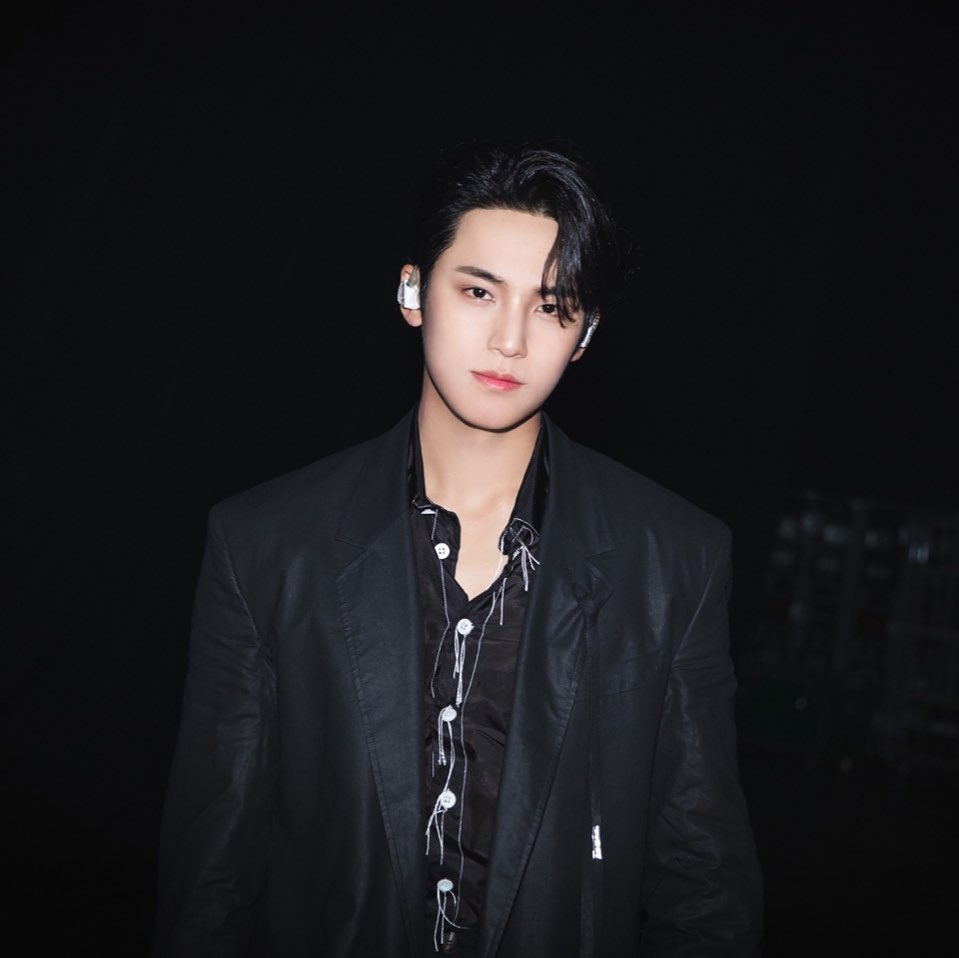
“We have confirmed with Mingyu that the accusations are baseless and completely false. We don’t know who made these accusations or what their intentions are.
The graduation album uploaded by the accuser is from a different year than Mingyu’s. Furthermore, the accusations made by the original uploader cannot be substantiated.”
Pledis Entertainment.
4. Corrective Action and Strategic Decision
If the crisis is deemed severe, agencies will take structural action, as agencies tend to adopt a utilitarian approach, prioritizing reputation and business continuity over individual artists. Actions at this stage typically include suspending activities and terminating contracts.
An example is Seunghan, whose contract was terminated in October 2024 after controversy over his pre-debut photos sparked intense public pressure.
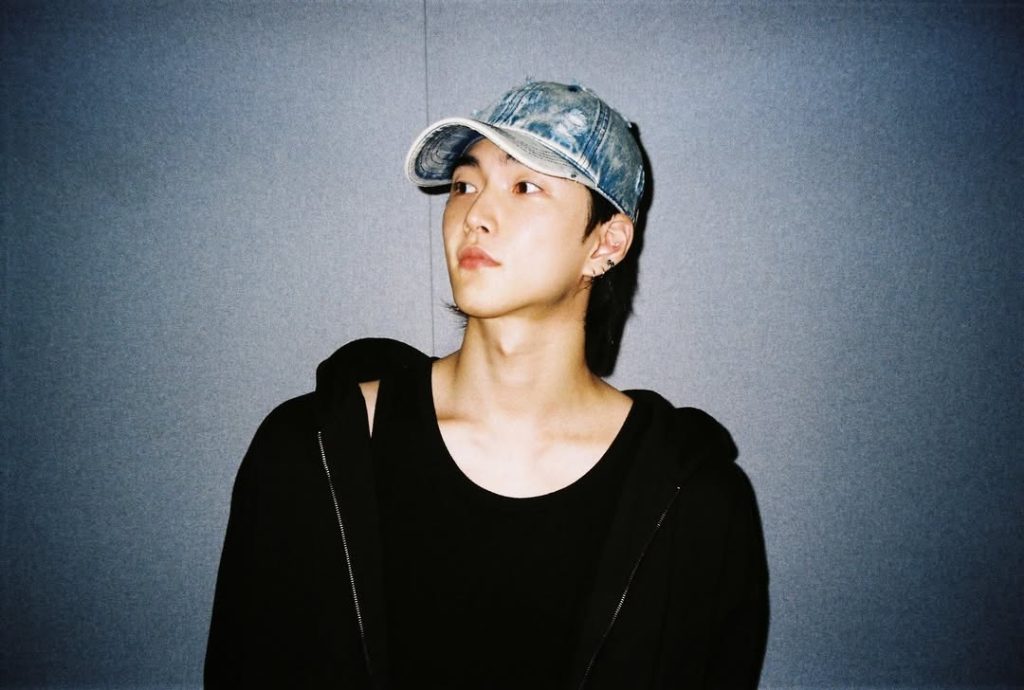
The following is a statement from SM Entertainment’s Wizard Production, which manages RIIZE:
“Hello, this is Wizard Production.
First, we sincerely apologize to all of BRIIZE for the pain and confusion caused by the announcement of Seunghan’s return on the 11th. We deeply regret that we did not prioritize the growth achieved by RIIZE’s six members through their tireless efforts, nor the unwavering support from BRIIZE, which has been the biggest driving force behind RIIZE’s progress. Instead, we placed the production’s perspective first, and for that, we are truly sorry.
We believed that if Seunghan could reflect on his past mistakes and return to the group, RIIZE would grow as a team and bring greater happiness to both the members and the fans. After long and careful consideration, this was the decision we made. However, after carefully listening to fans’ reactions and concerns, we realized that our decision only caused further confusion and distress.
At the same time, Seunghan expressed his intention to leave the group for the sake of his fellow members and the fans. We respect his decision and hereby announce that Seunghan will be departing from RIIZE permanently, rather than rejoining.
We will continue to support Seunghan in pursuing his talents and dreams.
More importantly, we extend our sincere apologies to the six remaining members of RIIZE, who have always given their all for their fans since their debut. They have worked relentlessly and thoughtfully to bring RIIZE to where it is today, and we deeply regret the difficulties and confusion we have caused them.
Wizard Production will exercise greater caution in all matters moving forward, and we will do our utmost to ensure that RIIZE and BRIIZE continue to share happiness for many years to come.”
5. Rehabilitation and Reputation Recovery
Not all crises end in permanent resolution. The fourth stage is the rehabilitation option, which is possible if there is supporting external evidence and a change in the public narrative.
Here is an example of this stage: JYP’s official statement upon announcing Hyunjin’s rehabilitation and return after school bullying allegations emerged in 2021.

“Hello, this is JYP Entertainment.
Hyunjin has been taking time to reflect on himself after halting his activities in February. During this time, he met with those who were hurt by his past actions and sincerely apologized.
Starting in July, Hyunjin will resume his activities.”
Crisis Prevention as Corporate Governance
Effective crisis management has become crucial for Korean entertainment agencies amid increasing public scrutiny and the rise of cancel culture incidents. Agencies must develop swift and coordinated crisis protocols to respond quickly, control the initial narrative, and prevent escalation.
If necessary, apologies should be sincere and accompanied by concrete action plans to demonstrate a genuine commitment to improvement.
As with any issue, understanding and managing the expectations of increasingly vocal stakeholders, including fans, is crucial to maintaining long-term reputation and trust.
Join us on Kpoppost’s Instagram, Threads, Facebook, X, Telegram channel, WhatsApp Channel and Discord server for discussions. And follow Kpoppost’s Google News for more Korean entertainment news and updates.