

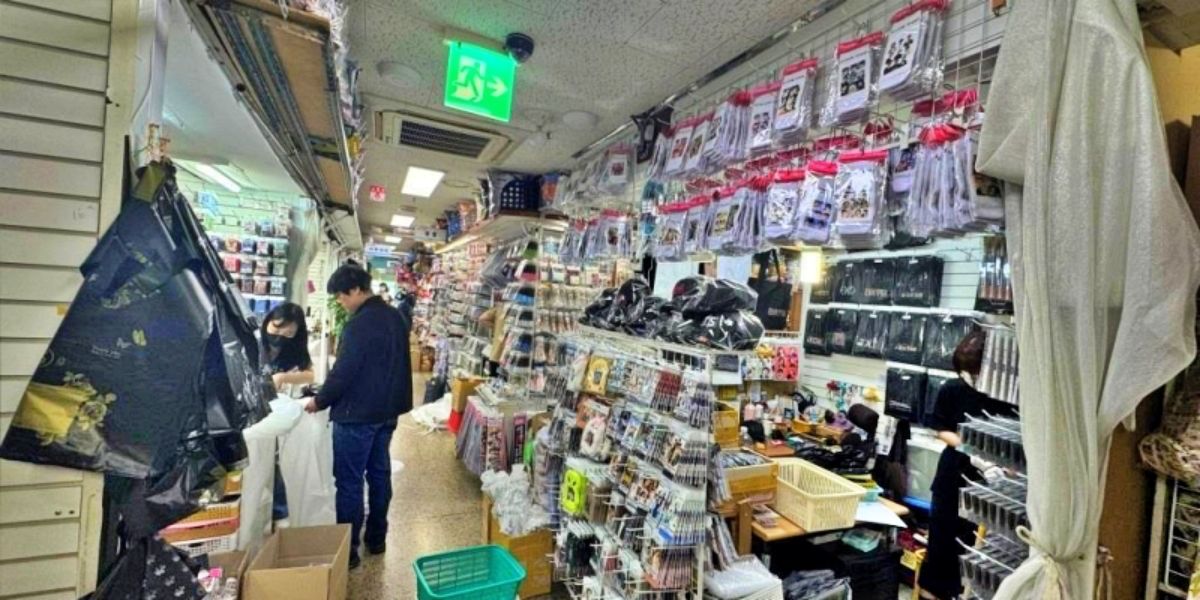
The rising popularity of K-pop has created a thriving market for service merchandise. As fandom culture grows worldwide, these products have become a vital part of how fans express their support for their favorite idols. Unfortunately, this growing market has also opened the door to illegal acts, particularly the production and sale of unauthorized merchandise. Many of these products exploit idols’ publicity without their consent or that of their agencies. As a result, concerns are growing about economic losses and the need to protect the brand value that underpins the K-pop industry.
When K-pop Idol Identity Becomes a Business Asset — But Also Fuels Illegal Acts
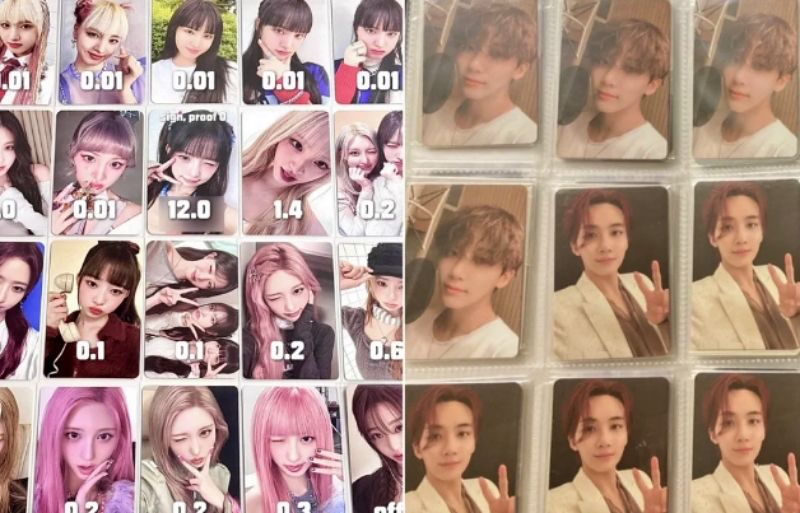


According to allkpop, on March 5 KST, the Korea Intellectual Property Office revealed that four companies had been identified as producing and marketing products that infringe on idols’ publicity rights. The products used the names and images of groups such as SEVENTEEN, BOYNEXTDOOR, TOMORROW X TOGETHER, aespa, IVE, and RIIZE without their permission response to these violations, the agency issued a remedial order under the Unfair Competition Prevention and Trade Secret Protection Act.
The Dark Side of K-Pop Merchandise Popularity
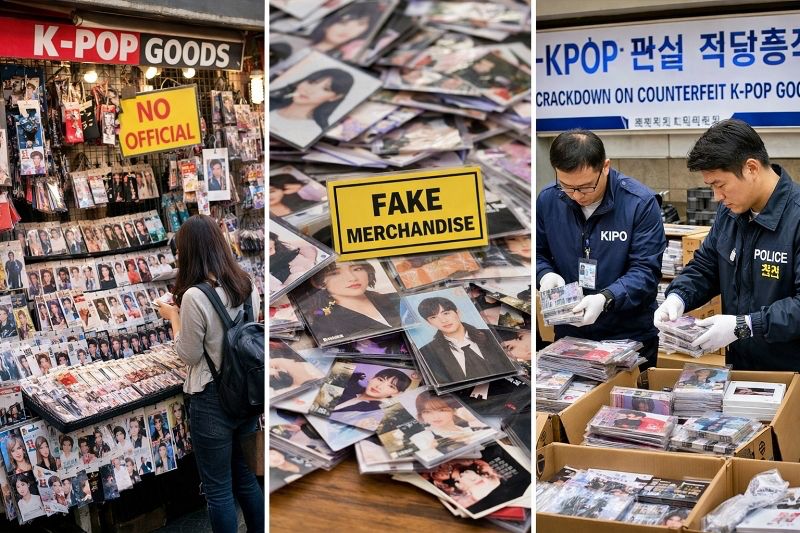
In these cases, many unscrupulous manufacturers exploit the names, faces, and public images of idols to boost sales of their products. This is clearly not something to be taken lightly. Such actions essentially exploit the commercial value of an artist’s identity for personal gain and constitute a violation of the law.
The impact is significant. In addition to financially harming artists and agencies, the circulation of illegal merchandise can also confuse fans as consumers, potentially even tarnishing the brand reputations the K-pop industry has worked so hard to build.
South Korean authorities described this as the first time a corrective order has been issued for violations of publicity rights in the context of merchandise sales. This is a clear signal that the government will no longer tolerate the “name-passing” practices that have been commonplace in the K-pop industry.
Government Crackdown on Illegal Merchandise
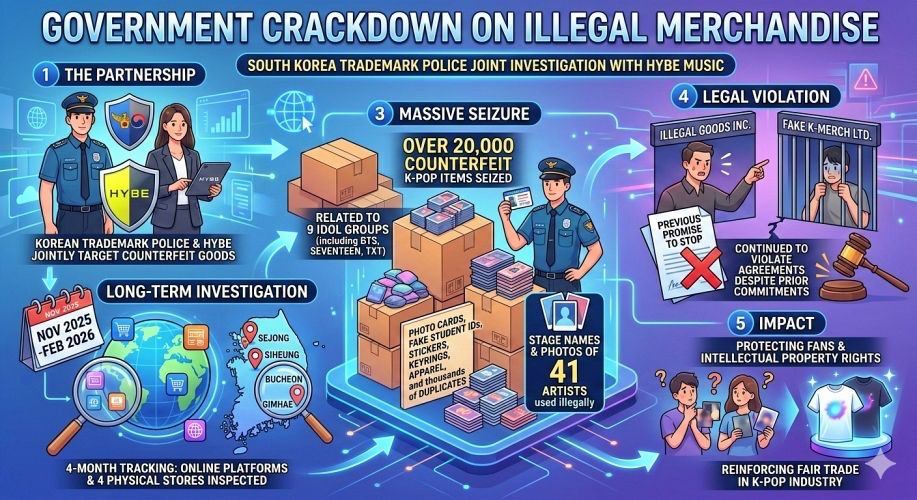
According to the Korea JoongAng Daily, the Korean Trademark Police Division, along with HYBE, successfully seized nearly 20,000 counterfeit K-pop merchandise items related to nine idol groups, including BTS, Seventeen, and TXT.
The investigation itself was quite lengthy, spanning from November 2025 to February 2026. Investigators inspected four physical store locations in Sejong, Siheung, Bucheon, and Gimhae, and tracked sales across various online platforms. The results confirmed that the illegal products used the stage names and photos of 41 artists from six idol groups.
Surprisingly, the companies involved had previously promised to stop this practice, but continued to violate it. The products in circulation included five types of goods, ranging from photo cards and fake student ID cards to stickers. Including duplicate stock with similar designs, the total number of items is estimated to reach thousands.
The Business Stakes: Why Illegal Merchandise Threatens Agency Sustainability
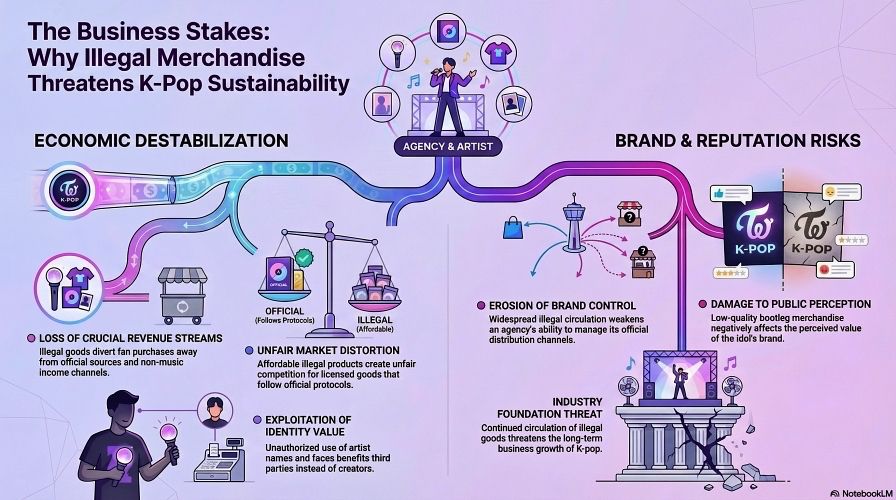
Those who produce and sell unlicensed products essentially steal the commercial value of the artist’s identity. Besides financial losses, this practice also erodes the agency’s control over its brand and official distribution channels. If allowed to continue, the circulation of illegal goods could erode the business foundations that have supported the growth of the K-pop industry.
There are at least four direct business impacts felt by agencies.
- The loss of revenue from official merchandise sales is a crucial source of income for agencies, especially outside music sales. Because these irresponsible individuals then make illegal products available to the market, this can divert fan purchases from official products.
- Exploitation of the economic value of artist identity — An idol’s name, face, and image have significant commercial value. When used without permission, this economic value is exploited by others, benefiting no one but the artist or agency.
- Damage to reputation and brand control — Illegal merchandise is often of low quality, which can affect public perception of the idol’s brand and agency.
- Distortion of the K-pop merchandise market — Illegal products sold at more affordable prices indirectly put pressure on official merchandise that has gone through the correct licensing and distribution process, creating competition that is clearly unfair for those who play by the rules.
Protecting the Future of K-Pop Brand Value
Therefore, given the current situation in South Korea regarding the sale of illegal merchandise, preserving cultural values is essential for the sustainability of the K-Pop industry.
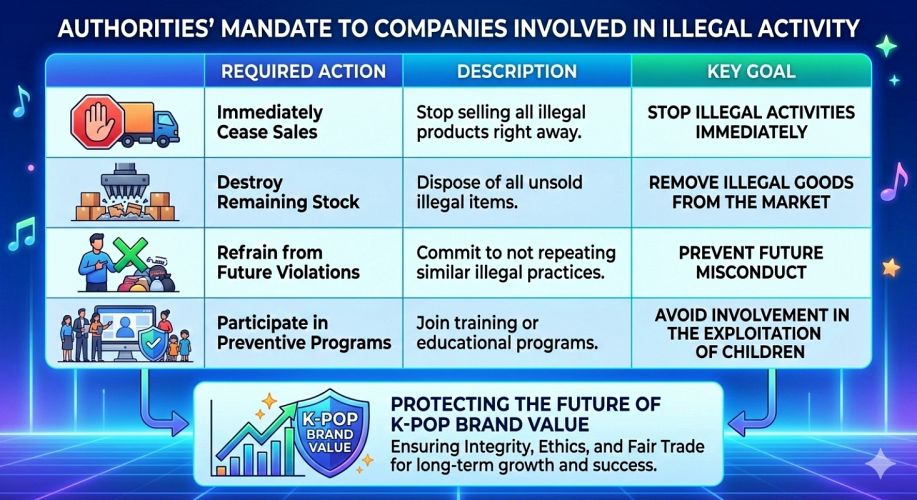
To this end, authorities have mandated that companies involved in this activity take several steps: immediately cease selling illegal products, destroy all remaining stock, refrain from repeating similar practices, and participate in preventive programs to avoid involvement in the exploitation of children.
“Protecting intellectual property rights, including artists’ publicity rights, is essential for the continued growth of K culture industries such as K-pop. We will continue to strictly monitor and crack down on the sale of goods that infringe on idol publicity rights and damage their reputation and credibility,” said Kim Yong Hun, Director General of the Intellectual Property Protection Cooperation Bureau at the Korea Intellectual Property Office.
The Fight Against Illegal Merchandise
The K-pop brands we know today didn’t just emerge out of thin air. They involve significant investment from agencies, dedication from artists, and the trust of fans built slowly over the years. Therefore, the rise of illegal merchandise that exploits idols’ names and images without permission poses a significant threat.
Products like photocards or stickers may seem trivial, but they represent vital economic value and brand identity for the industry. The problem arises when such products are distributed illegally, as this also undermines control over the brand.
Therefore, enforcing publicity rights and taking action against illegal merchandise is key to maintaining the long-term sustainability of the K-pop industry.
Join us on Kpoppost’s Instagram, Threads, Facebook, X, Telegram channel, WhatsApp Channel and Discord server for discussions. And follow Kpoppost’s Google News for more Korean entertainment news and updates.