


In this exclusive feature, we explore the artistic identity behind View, the independent music project of songwriter and artist, whose real name is Youngeun You. Known for emotionally raw storytelling and a deeply introspective creative process, View represents more than just a name. It is a personal universe built through vulnerability, experimentation, and self-discovery.
For readers searching for who is View, this interview reveals both the artist and the human behind the music. You will find rare insight into how she navigates independence in today’s evolving music landscape.
Exclusive Interview with View (Youngeun You)

Who is “View” as an artist and Why “Viewutiful”?
View, also known as Youngeun You, describes Viewutiful as a creative identity rooted in emotional honesty and continuous growth. The name itself originated from a suggestion by her younger sibling, evolving into the Instagram identity and artistic label known today.
As an artist, View defines themselves as someone constantly learning through experience—even pain. Emotion plays a central role in her creative process, with crying described not as weakness, but as emotional release. This philosophy directly connects to her music, which serves as a channel for expressing feelings that cannot be communicated in everyday life.
“So, I actually like crying. I know that sounds strange, but when I’m going through something really hard and I cry, it feels like something inside me finally gets released.”
For View, music exists as a direct extension of emotional processing. It’s a self-expression.
“Music became this space where I could let out all the emotions and pain I had inside me. So, I make music to express the things I can only say through my own voice.”
Why choose independence over a traditional agency system?
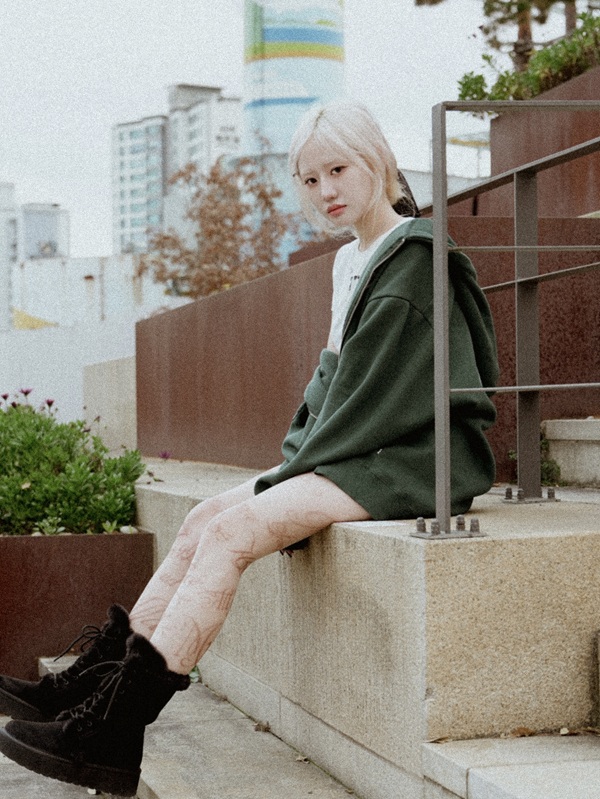
Rather than entering the industry through a structured agency system, View chose independence to build identity first.
“I wanted to build my identity first before becoming part of a system. I felt like if I joined a company too early… I’d end up regretting it later.”
This decision is driven by long-term artistic development:
“Running everything myself and treating myself like my own company definitely isn’t easy, but I think this whole process is helping ‘view’ become a stronger artist.”
It reflects a long-term vision: experimentation without restriction.
By managing every aspect of her career, View treats her artistic journey as both creative exploration and self-directed development. Although challenging, this independence is seen as essential in shaping a more authentic version of “View.”
Do you feel unseen as a behind-the-scenes songwriter?
While the industry often prioritizes performers over creators, View does not approach invisibility with frustration. Instead, she views it as part of an ongoing process of understanding audience connection.
View acknowledges moments of invisibility but does not frame them as frustration.
“Of course there are moments when I feel invisible as a creator, but I don’t think it really comes from frustration.”
Instead, the focus is on connection. View is more interested in why listeners engage with her music and what emotional threads keep them connected. The goal is not only visibility, but meaningful interaction—eventually through direct engagement such as performances or online connection.
“I think I’m still in the process of figuring out who my listeners are and how I want to connect with them. I’m honestly really curious and excited about it.”
How do you write for other artists while maintaining your identity?
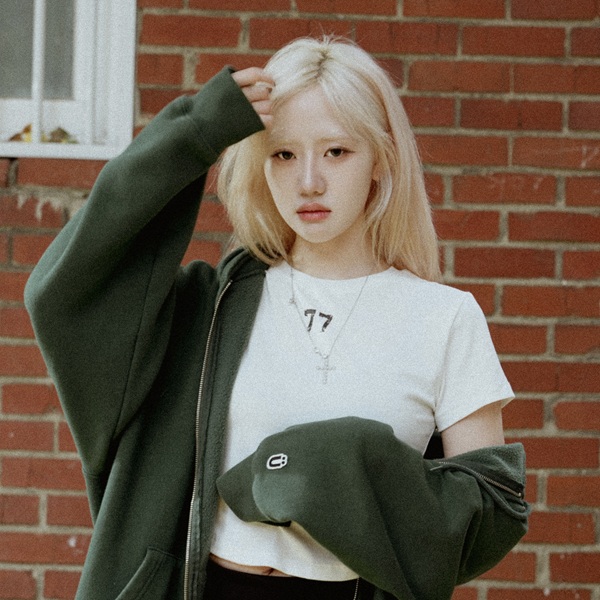
When writing for other artists, View adopts a fully immersive approach. It’s almost like method acting. She attempts to enter the emotional and conceptual world of the performer, asking what that person would say, feel, or present on stage.
“Whenever I write for another artist, I try to completely step into their world. Almost like method acting or possession.”
Rather than imposing her own identity, View focuses on amplifying the unique emotional or sonic traits of the artist.
“If I were this person, what would I want to say to the world?”
However, some part of “View” naturally remains embedded in the final work, even when the intention is to fully step aside.
“At the end of the day, everything still passes through me emotionally, so some part of ‘view’ naturally ends up inside the song too.”
This balance allows her to create music that is both personalized and subtly signature-driven.
Have you experienced doubt while staying independent?
Uncertainty is a constant part of the independent journey for View. However, rather than fear, what sustains them is a strong internal vision of her future self.
“Honestly, those moments still happen to me all the time. That’s just the reality of being independent. The thing that keeps pushing me forward is the image I have of my future self.”
And growth through repetition.
“Through all those failures, I always end up realizing something important.”
Her creative process is built on experimentation, failure, and reflection. Each cycle of trial-and-error leads to deeper self-awareness, reinforcing the motivation to continue evolving as an artist.
Can commercial music and emotional authenticity coexist?
View sees commercial success and artistic expression not as opposites, but as complementary roles within the music ecosystem.
“I think they’re meant to coexist.”
She distinguishes between the “artist” and the “businessperson,” emphasizing that both are necessary for music to exist and reach audiences effectively. Commercial music, in her view, often reflects the emotional trends of its time, while purely expressive music serves as a personal and cultural voice.
“Businesspeople need artists who can create meaningful work, and artists also need people who know how to turn that art into something that can actually reach the world. Commercially successful music is usually music that understands what people in that specific era are emotionally craving.”
Both forms, however, can coexist and support each other in shaping the broader music landscape.
What emotional truth should listeners understand about independent songwriters?
Rather than asking audiences to focus more on behind-the-scenes creators, View encourages openness in how listeners engage with music.
“I hope people stay open-minded and explore their own taste without limiting themselves.”
She believes music is a tool for self-discovery. Music helps people understand their emotional preferences, identity, and personal taste. Whether through sound, lyrics, or atmosphere, music becomes a mirror through which listeners learn more about themselves.
“Music can become a way for people to understand themselves more deeply. I hope listeners can also discover more about themselves alongside me.”
For View, the goal is not recognition alone, but shared exploration of identity through sound.
Key Takeaways
- Viewutiful is the artistic identity of songwriter and artist View (Youngeun You), built around emotional authenticity and personal growth.
- The identity “Viewutiful” originated from a family-inspired idea and evolved into a creative brand.
- Independence is a deliberate choice, allowing full creative experimentation without industry constraints.
- Emotional expression—especially vulnerability—is central to View’s music philosophy.
- Writing for others requires deep immersion into each artist’s identity while subtly retaining personal artistic influence.
- Commercial success and artistic integrity are viewed as complementary, not conflicting forces.
- View sees music as a tool for both artist and listener self-discovery.
Join us on Kpoppost’s Instagram, Threads, Facebook, X, Telegram channel, WhatsApp Channel and Discord server for discussions. And follow Kpoppost’s Google News for more Korean entertainment news and updates.