

As avid K-hallyu fans, you’ve streamed songs and spent late nights in K-drama marathons, watching all those young artists grow up under the spotlight. But have you ever wondered how much of the streams goes back to the kids on screen? Most fans talk about contracts and training systems, but almost never about the paycheck itself. So, with the Korean version of the “Coogan Law” being debated in South Korea, the question surfaces now more than ever: what happens behind the scenes when a child artist’s dream becomes a career? And more importantly…who gets to keep their paycheck?
What Is the Korean Coogan Law — and Why Now?
On September 9, 2025, South Korea took a step many fans have long felt was overdue. Lawmakers from both sides of the aisle gathered at the National Assembly to host a public hearing on a bill now known as the Korean Coogan Law.
Inspired by the 1939 U.S. Coogan Law, this proposed Korean legislation would require a portion of the income earned by child entertainers to be placed in trust until they become adults.
This means protecting this income from potential misuse, especially by family members—sounds familiar?
Now, two versions of the Korean Coogan Law are on the table in South Korea:
- Rep. Bae Hyun Jin’s proposal: 50% income trust.
- Rep. Min Hyung Bae’s proposal: 15% income trust.
And if those names sound unfamiliar, maybe this one won’t: actor Jung Joon Ho, who attended the hearing in support, called it a national responsibility to safeguard the sweat and sacrifice of Korea’s child stars.
“It is both our collective responsibility and our shared task to ensure that the sweat and effort poured out by child and adolescent entertainers lead to fair compensation and that a fully protective environment is created for them within society.”
Actor Jung Joon Ho.

But really, this is far more than just a boring government update. Because for you as fans, the Korean Coogan Law talks crack open into what happens behind the glittering fame you scroll past on social media — the money, the risks, and the quiet sacrifices most people never talk about.
The Paycheck Question – Who Gets to Keep the Money?
You’ve bought the albums, streamed the tracks, and stayed up for voting apps. But deep down, haven’t you always wondered — when a 14-year-old idol debuts, who manages their salary?
Well, in some families of underage artists, parents sometimes take on multiple roles: manager, driver, makeup assistant, even financial planner. Some even quit their jobs to support the children’s dream.
Yet, when a paycheck finally arrives, there’s often no clear line between what belongs to the child and what’s managed “for the family.”
This isn’t always abuse. Sometimes it’s survival. But this is also why the Korean Coogan Law comes in — it introduces structure in South Korea, which doesn’t have one for now.
With more minors debuting in idol groups, acting roles, and content creations, the question of who handles the income isn’t just a private family issue anymore. It’s an industry-wide blind spot.
And now, it’s finally being addressed on a national stage.
What Happens When It’s Ignored: The Heartbreaking Warnings
Now, remember what happens when it’s ignored?
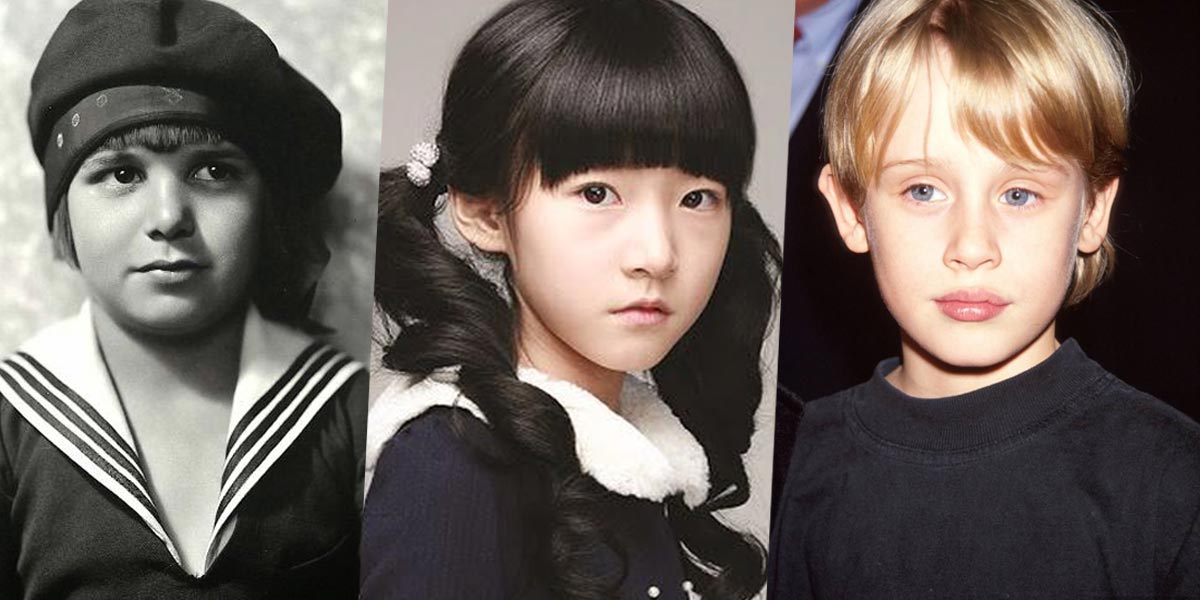
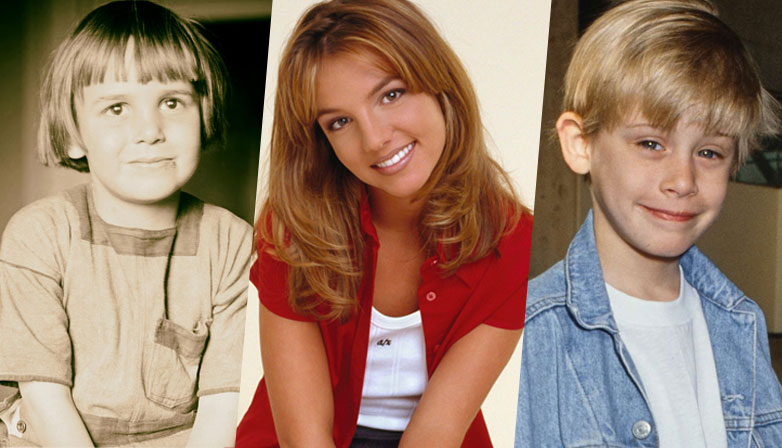
Jackie Coogan, once a Hollywood child icon, had his millions spent by his parents before he turned 21. That heartbreak gave birth to the Coogan Law in the U.S., requiring 15% of a child actor’s income to be protected in trust. But it came too late to undo what had already been lost.
Britney Spears, despite decades of success, spent years under a conservatorship that took away her financial and personal autonomy — with her own father in charge. The legal system called it “protection.” Fans called it a tragedy.
Macaulay Culkin, beloved globally for “Home Alone,” cut legal ties with his parents during a drawn-out fight over his earnings. In interviews, he didn’t just sound tired of fame — he sounded exhausted by the betrayal.
Korean Coogan Law: The Triggers in South Korea
In South Korea, the threads are eerily familiar. Over the past few years, fans have witnessed unsettling patterns—where child stars rise under the spotlight, only to fall into financial or legal chaos later.
Actress Kim Sae Ron’s posthumous case stunned many: a debt scandal, defamation suit, and a family-led legal war that raised urgent questions about who controls a young star’s money and image.

Meanwhile, headlines about child YouTubers earning enough to buy luxury apartments sparked public backlash over unchecked parental control.
You might see them as isolated stories, but little did you know that they actually exposed a dangerous gap in how Korea safeguards the earnings and dignity of its youngest entertainers.
The industry thrives on fresh talent, but without systems to protect that talent behind the scenes, fans are left wondering: how many more stories will it take before change becomes law?
The Korean Coogan Law might be the answer we’ve all been waiting for.
What Korean Coogan Law Could Change in South Korea — And What It Still Won’t Solve
Now, practically speaking, if passed, here’s what the Korean Coogan Law would change:
- A clear, legally enforced portion of every child entertainer’s income would be untouchable until adulthood.
- Families, agencies, and managers would have boundaries they cannot legally cross without court approval.
- Child entertainers would gain something many never had before: financial proof that their labor was real and respected.
Again, it’s true that money is only a part of a story. Even if applied, this law still won’t heal mental health scars and won’t undo years of burnout, blurred identity, or trauma.
Still, it’s a start. A critical one.
And more than anything, the Korean version of this Coogan Law is a sign that the government, industry, and fans are beginning to listen, especially in South Korea.
Because for once, we’re not just talking about who gets the paycheck. We’re talking about who actually deserves it.
As Fans, You Were Always Part of This – And Will Always Be
Here’s the truth most industry insiders don’t say out loud: fandoms helped bring this conversation into the spotlight.
You noticed when your favorite child idols seemed exhausted at fan signs. You trended hashtags when contract disputes broke out. Then, you asked uncomfortable questions on forums, in DMs, and in comment sections. And you’ve been whispering about it for years.
The Korean Coogan Law didn’t appear in a vacuum. It rose from a cultural shift — one that you helped shape.
And while some may still say “It’s not our business,” well, you know better. Because caring about your bias doesn’t stop at streaming. It means caring about what happens to them when the lights go out.

What’s Left When the Music Fades?
Finally, your favorite child idols might be adults now — or they’re on the edge of growing up under the spotlight. Some will keep performing. Others will quietly exit. But all of them will live with the long-term effects of decisions made before they were old enough to decide for themselves.
That’s what makes the Korean Coogan Law in South Korea a cultural turning point. It’s a small step — but a solid one. Because if Korea wants to keep raising global stars, it must also protect the kids behind the spotlight.
And if you care about the future of K-pop, K-drama, or K-culture… this is the kind of law you want to exist.
Don’t you think so too? Please share your thoughts in the comments.
Join us on Kpoppost’s Instagram, Threads, Facebook, X, Telegram channel, WhatsApp Channel and Discord server for discussions. And follow Kpoppost’s Google News for more Korean entertainment news and updates.