
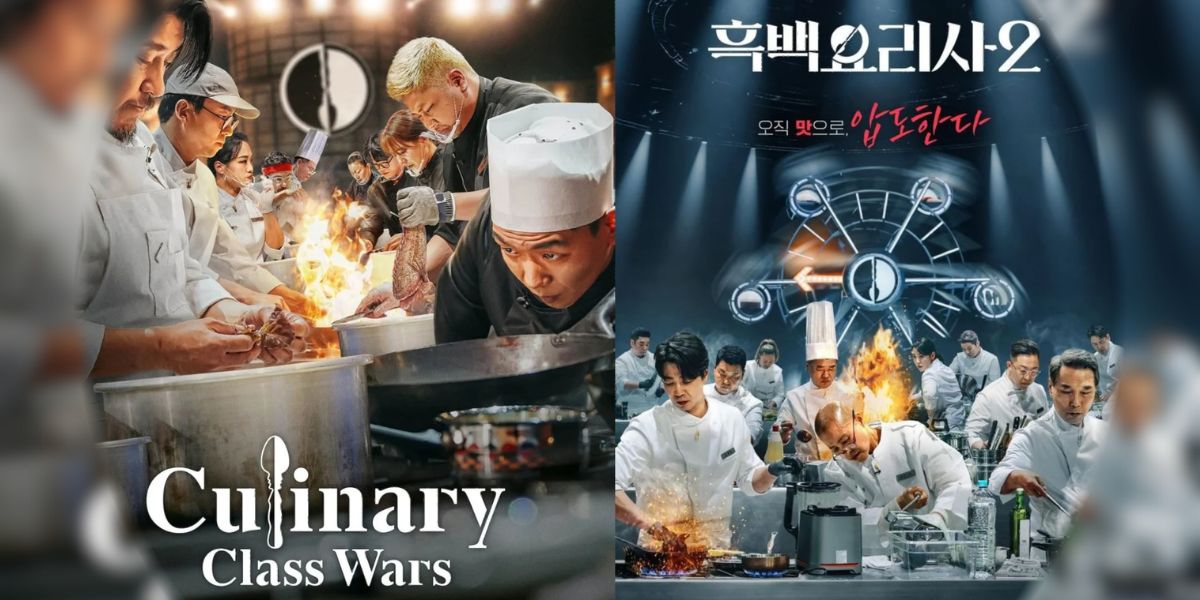
When “Culinary Class Wars” premiered on Netflix, either Season 1 or Season 2, it quickly topped the platform’s global non-English TV ratings for several consecutive weeks. As the first unscripted Korean cooking competition to achieve such international success, the show showcased South Korean food, capturing global attention. Its true impact then unfolded beyond viewership figures. The show quietly reshaped the Korean variety show landscape, shifting the focus from the food to the chefs behind it. In doing so, “Culinary Class Wars” transformed cooking programming into a character-driven franchise, redefining what South Korean food entertainment could be.
Narrative Expansion and the Reformatting of Korean Cooking Shows
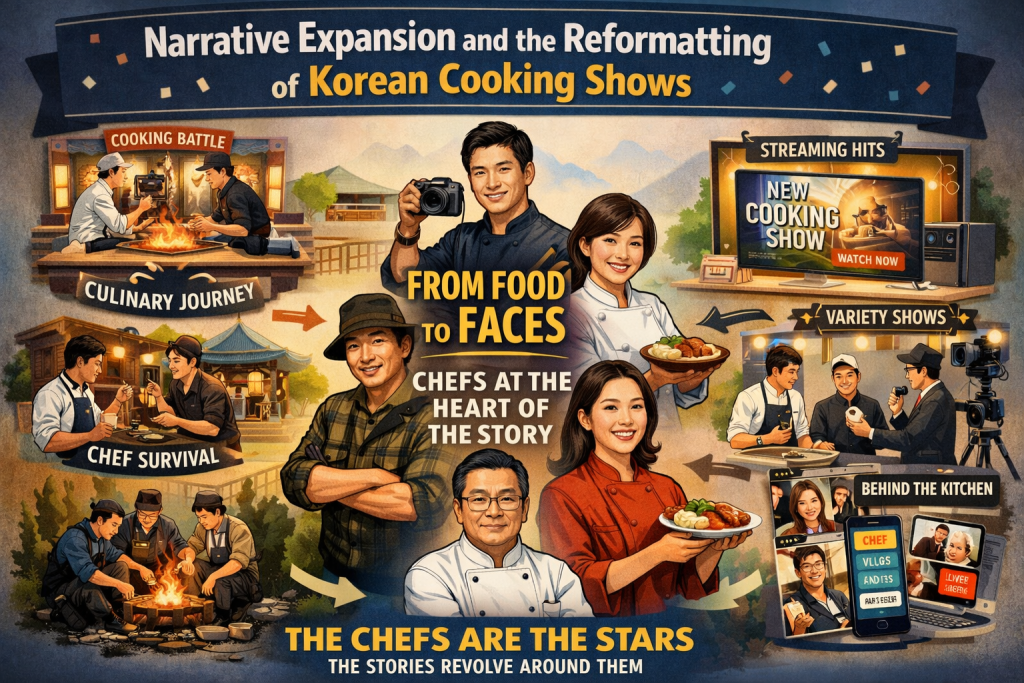
Since “Culinary Class Wars” premiered, television stations and streaming platforms have responded quickly. While the formats vary, the essence remains consistent, with chefs central to the narrative. Whether a program focuses on competition, travel, or survival, the focus is no longer solely on the culinary offerings themselves, but on the people behind them.
Franchise Expansion Shapes a New Entertainment Architecture
Before “Culinary Class Wars”, Korean cooking variety shows were generally focused on food. The show structure was relatively simple: a competition or demonstration, followed by an evaluation. But after the “Culinary Class Wars”, there was a significant shift. Chefs, initially merely acting as kitchen executives, became protagonists, embarking on personal journeys that became the core of the overall narrative.
This shift gave birth to what can be called the “shared universe” concept in Korean variety—an ecosystem of programs interconnected by the chefs, a shared format, and a continuous storyline. It is evident in the emergence of various spin-offs and subsequent format developments.
- Empire of Baking (MBN) — Adapts the survival format from “Culinary Class Wars” to the pastry world, featuring the winner of the first season as a judge.
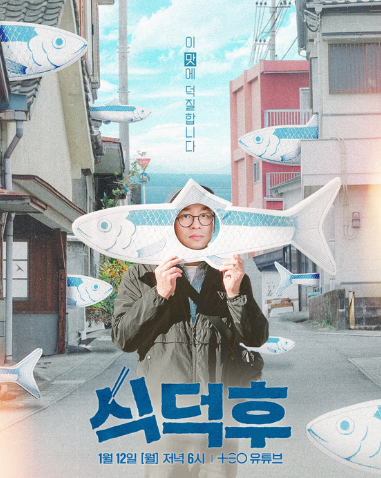
- Food Otaku (TEO YouTube) — Unlike competition shows, this program follows Choi Kang Rok’s personal journey. The format is more reflective and character-focused, strongly positioning the chef as the center of the narrative.
- The Chefs of the Temple Kitchen (Wavve) — Blends Buddhist temple cuisine with discipline and philosophical values, expanding the culinary genre into the spiritual realm.
- Chef and the Hunter (Channel A) — Combines extreme survival and cooking, showcasing the format’s flexibility in a more experimental context.
- Please Take Care of My Refrigerator (JTBC) — This long-running program also integrates Culinary Class Wars alumni, creating a crossover effect within the same franchise.
Through this approach, Korean cooking shows no longer stand alone but form a network of interconnected brands.
Bringing Social Hierarchy to the Cooking Stage
What sets “Culinary Class Wars” apart is its ability to reframe class dynamics within the kitchen. According to Forbes, the division between “White Spoons” and “Black Spoons” symbolizes the hierarchy in which elite Michelin-trained chefs stand side by side with self-taught culinary professionals who built their careers outside prestigious institutions. It creates a structural tension at the heart of the competition.
A key mechanism that reinforces this theme is the blind tasting. By preventing the judges from knowing who prepared each dish, the show prioritizes taste and execution over reputation. Achievement, not pedigree, becomes the deciding factor.
This narrative resonates beyond South Korea. Globally, fine dining often holds greater prestige than street food or casual cuisine. By placing chefs from diverse backgrounds on equal footing, the show challenges entrenched hierarchies and invites viewers to reconsider how talent and cultural value are defined in the food industry.
Chefs as Human IP
One of the most striking changes in “Culinary Class Wars” is the changing image of chefs. Previously, chefs’ presence on television was primarily focused on demonstrating cooking skills or judging dishes. Now, the selection criteria have shifted, with on-camera appeal becoming a primary consideration. Television stations are increasingly seeking chefs who can convey concepts clearly and bring the narrative to life throughout the episode.
In South Korea, this shift is reflected in how some contestants, like Choi Kang Rok, have expanded their presence far beyond the competition arena, appearing in more character-oriented programs, such as Food Otaku. Fans have loyally followed their favorite chefs across programs, even producing AI-based creative works inspired by these characters.
The Future of Korean Cooking Variety Is Far from Over
The success of “Culinary Class Wars”, with its first season topping Netflix’s global non-English TV ratings for three consecutive weeks, and its second season following with two weeks at number one, goes beyond strong viewership. It proves that Korean cooking variety shows can thrive as a global format. Beyond ratings, the program marks a structural turning point, characterized by its chef-driven narrative and culturally rooted food stories that resonate far beyond its domestic South Korean audience.
Join us on Kpoppost’s Instagram, Threads, Facebook, X, Telegram channel, WhatsApp Channel and Discord server for discussions. And follow Kpoppost’s Google News for more Korean entertainment news and updates.