

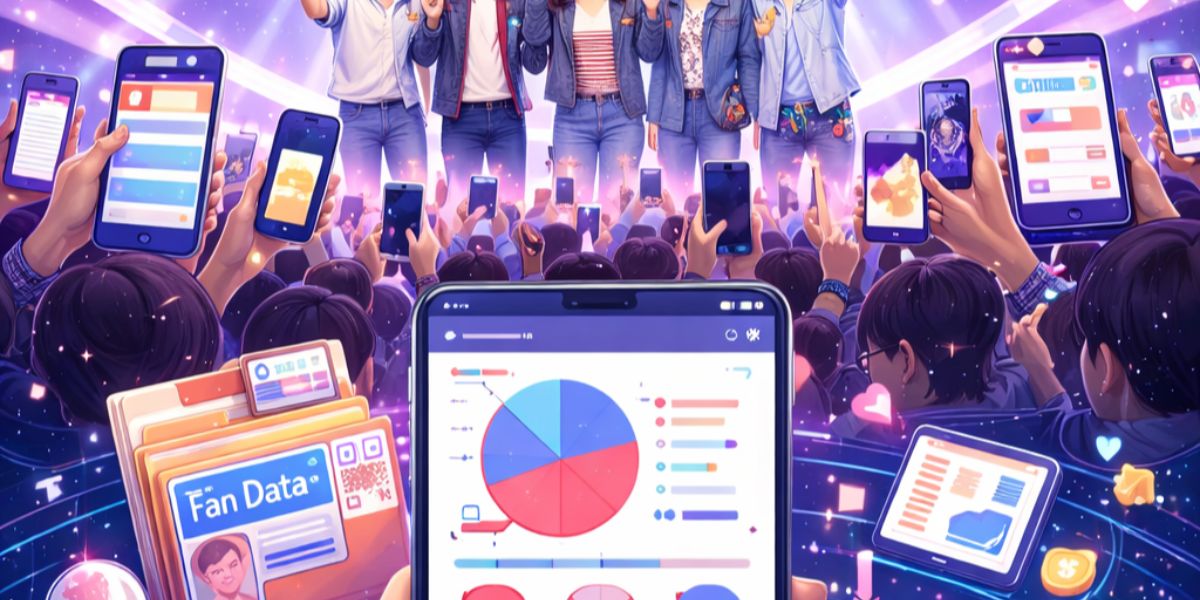
The K-Pop industry has built a global empire through organized fan loyalty. What is known is that this loyalty is no longer left to grow naturally. It has been mapped through increasingly sophisticated data profiling. Entertainment companies read fans’ emotions, habits, and even consumption patterns to turn their closeness into profit. This is a process of redefining the meaning of loyalty itself. So, is loyalty still about love for music, or has it become a measurable economic engine?
The Strategy Behind Building K-pop Fan Loyalty
In recent years, the rapid growth of video streaming services like iQiyi and short-video apps has transformed people’s short-video viewing habits. Short-form dramas and variety shows continue to emerge in significant numbers, with approximately 210,000 television dramas airing in 2023.
Along with this phenomenon, the entertainment industry, particularly in South Korea, has developed a long-term idol development system that showcases trainees’ training sessions to the public. This creates a strong emotional bond between idols and their fans.
Fans are no longer simply passive spectators; they participate in the selection process, provide support, and even fund idols’ debuts by purchasing albums, merchandise, and concert tickets. This is evident in the Korean Convention on the Law of the Sea (KOCCA), where the share of K-pop merchandise purchasers increased from 14.8% in 2024 to 26.0% in 2025, and more fans are purchasing albums and participating in fandom activities than in the previous year.
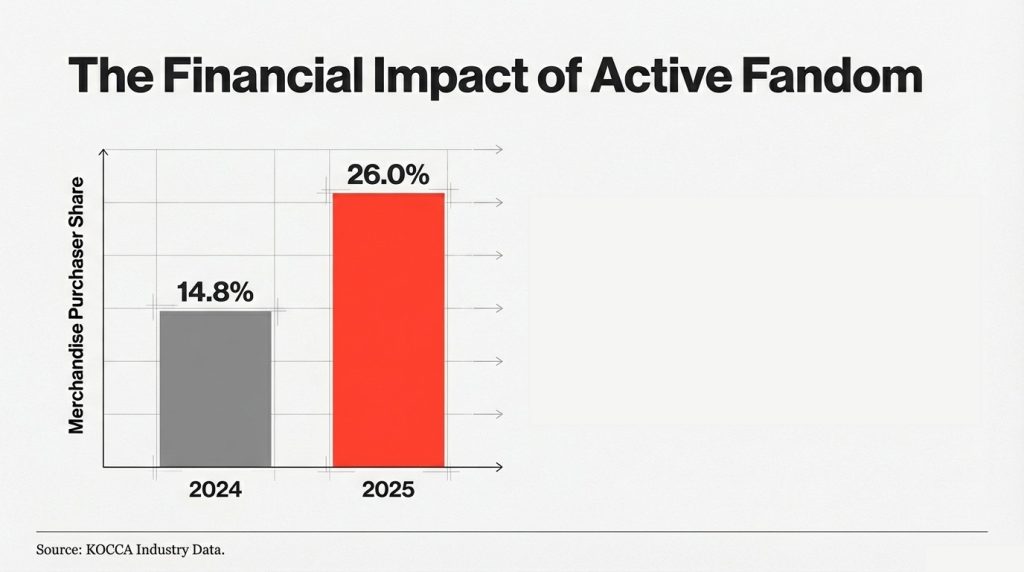
Behind this emotional connection, entertainment companies strategically leverage fans’ psychological tendencies to drive consumption, ultimately generating significant financial returns.
Redefining Loyalty in the K-Pop Fan Economy Era
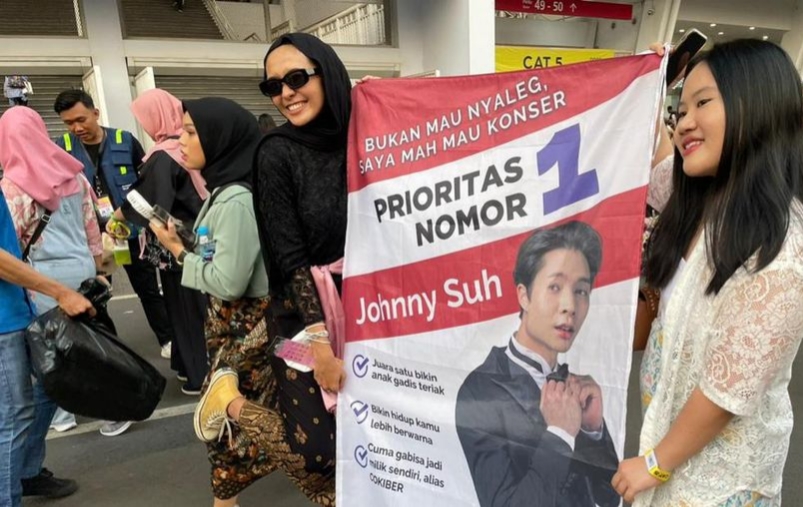

In the fan economy concept proposed by Tianyi Ma in 2025, fan loyalty is no longer measured solely by liking. It has evolved into concrete parameters such as:
- How many albums and pieces of merchandise do they purchase?
- How active they are online, such as streaming songs, commenting, and voting.
- Participation in various events and concerts.
Agencies then reinforce these behavioral patterns in several ways:
- Releasing limited-edition merchandise to encourage fans to buy repeatedly.
- Creating a competitive voting system where support is directly linked to purchases.
- Providing special content for specific members to create a sense of exclusivity.
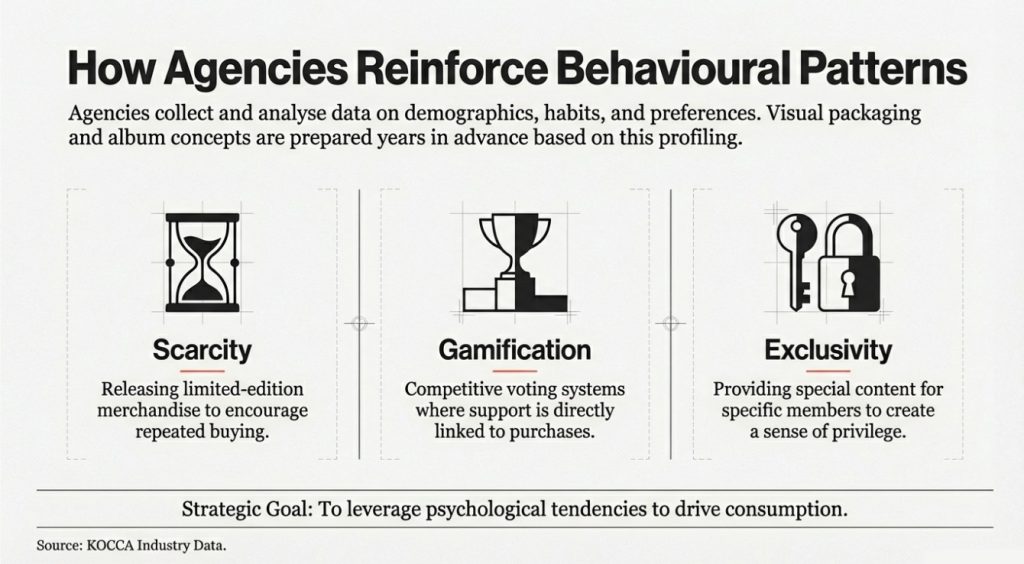
This approach is reinforced by fan profile analysis, which involves collecting and analyzing data on fan demographics, habits, and preferences to develop more accurate marketing strategies. Even before an idol officially debuts, Korean agencies have been preparing album production, visual concepts, and publication plans for years. For example, YG releases a series of monthly evaluation videos and documentation of the members’ training process on YouTube.
Furthermore, there is detailed visual packaging designed to suit fan trends and tastes. Ultimately, fan loyalty transforms into an asset that can be measured and leveraged to generate profits.
Inside SM and YG’s Approach to Build K-Pop Fan Loyalty
Let’s take a look at two big agencies. SM Entertainment and YG Entertainment use different but strategic methods to build strong K-pop fan loyalty:
SM Entertainment
- Trainee development system — SM has introduced young idols from their trainee days, allowing fans to witness their growth and then create an emotional connection.
- Strong brand positioning — SM targets young consumers and maintains a distinctive “SM style” to avoid market homogeneity.
- Global expansion strategy — Through multinational groups like NCT, SM segments the international market and strengthens its global fanbase. The group has 25 members from 5 countries.
- Fan platforms and membership systems — Dedicated apps and interactive spaces increase engagement and deepen loyalty.
- Story-based marketing — SM showcases idols’ journeys from their trainee days to their daily lives, highlighting their hard work and human side. This storytelling approach builds emotional connection, thus increasing fan loyalty.
YG Entertainment
- Strong brand identity with a hip-hop focus — Building a premium and distinct image.
- Viral marketing and social media engagement — Artists actively interact with fans online, driving word-of-mouth. Given the company’s diverse artist base and top-tier reputation in the industry,
- Global touring strategy — In addition to being well-known in South Korea, most YG groups have their own global popularity, enabling YG to further expand overseas markets and increase fan consumption.
When Emotion Becomes Strategy
Now, through data profiling, loyalty has been defined into measurable metrics such as purchases, digital engagement, and event participation. It is the process of redefining fan loyalty in the era of the fan economy, where emotions are processed into strategies, intimacy is designed, and consumption is optimized.
However, the more structured loyalty is built, the greater the industry’s responsibility. Loyalty can be a long-term asset, but it also risks fueling burnout and criticism.
Join us on Kpoppost’s Instagram, Threads, Facebook, X, Telegram channel, WhatsApp Channel and Discord server for discussions. And follow Kpoppost’s Google News for more Korean entertainment news and updates.