

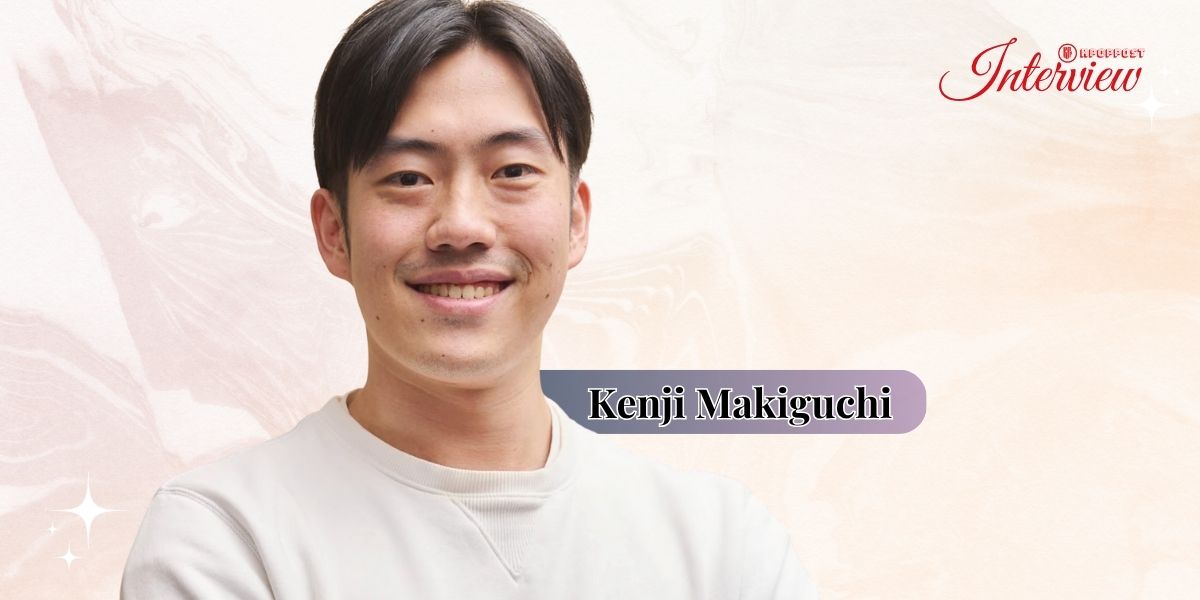
The influence of the Korean Wave—spanning K-pop, K-drama, K-beauty, and more—is no longer just a pop culture phenomenon. It’s actively reshaping startup strategies and consumer trends across East and Southeast Asia. To dive deeper into how this cultural force is driving cross-border innovation, we sat down with Kenji Makiguchi, a Tokyo-based investor with global experience from Microsoft and Disney.
From the rise of fandom-powered commerce to new models of regional tech collaboration, Kenji Makiguchi shares insights on how Korea, Japan, and Southeast Asia are building a dynamic new ecosystem—together.
From K-pop to Startups – Kenji Makiguchi Weighs In
Insights shared by Kenji Makiguchi highlight a powerful truth: The Korean Wave is more than cultural; it is a catalyst for business innovation. As borders blur and fandom becomes infrastructure, the collaboration between Korea, Japan, and Southeast Asia could define the next decade of startup success in Asia.
Whether it’s VC alliances, entertainment-tech synergies, or cultural storytelling, one thing is clear: Asia is watching Korea, and the world should be watching Asia.
The K-Wave Ripple Effect in Asia
Q: From your perspective in Japan, how do you see the Korean Wave (K-pop, K-drama, K-beauty, etc.) influencing startup trends and consumer behavior in Japan, Taiwan, and Southeast Asia in general? Are there any particular verticals—such as entertainment tech, social commerce, or beauty—that you believe are being strongly shaped by Korean cultural exports?
Kenji: From my seat in Japan, the Korean Wave is not just a pop culture trend. There was speculation from many that this so-called K-fever would come to a sudden halt, but what was once a strong fandom has now transformed into a full-on consumer behavior engine. You see it influencing everything from how young people shop (beauty, fashion, fandom goods) to what they expect from digital experiences.
In Japan, K-beauty has become a massive driver for retail with affordable pricing and K-idol ambassadors. Domestic brands are starting to adopt faster product cycles and community-driven marketing to keep up. K-pop fan culture has also drastically changed how we consume not only entertainment, but also the types of foods we consume here. You can tell this by the very fact that almost all local convenience stores here in Japan sell soju!


Investment Signals & Cross-Border Trends
Q: As a VC based in Tokyo investing across East Asia, are you seeing more Korean-inspired or K-pop-adjacent startups emerging in Southeast Asia (or even in Japan and Taiwan)? Are Japanese startups adopting elements from Korean business models or fan engagement strategies?
Kenji: While I don’t invest directly in SEA or Korean startups, I do see their influence trickling into Japan. While the Korean market was always visible with its cultural and geographical proximity, we’ve seen more and more Japanese founders paying closer attention to Korea’s community monetization models and fandom platforms. There’s a growing curiosity here around how to integrate commerce with entertainment — something I feel that Korea has done exceptionally well.
Startups in beauty, like I mentioned previously, are borrowing from Korean D2C playbooks. On the tech side, I’ve seen pitches where the founder flat-out says, “We want to be Japan’s answer to XYZ Korean platform.” It’s clear the region is watching Korea closely and for good reason.
Korea–Japan–SEA: Startup Synergies
Q: What do you think Japan-based founders and investors can learn from how Korean startups scale and expand into Southeast Asia? Or vice-versa (Korean-based founders can learn from Japanese startups)? Do you see room for greater collaboration between Korean and Japanese VCs to support the regional expansion of promising startups?
Kenji: One thing Korean startups do particularly well is go regional early. They understand how to localize quickly and aren’t afraid to experiment with cross-border go-to-market strategies. Japanese founders could learn from that speed and adaptability.
On the flip side, Japan often takes a more methodical, quality-first approach—which can be a strength when paired with Korea’s velocity. There’s significant potential for collaboration, especially in areas like IP, gaming, and consumer tech, where both countries are strong.
VC collaboration is slowly growing. I’ve had the pleasure of meeting many wonderful Korean VC/CVC colleagues, especially in the last year or so, but it still feels underdeveloped. I’d love to see more joint funds or syndicates that bridge the two ecosystems together.
Culture as Soft Power in Tech
Q: You’ve worked at both Microsoft and Disney—two companies deeply connected to global culture. Do you believe Korea’s global cultural influence is helping its startups gain faster traction across Asia compared to Japanese or Taiwanese counterparts?
Kenji: I’ve seen firsthand how powerful cultural exports can be in building trust and affinity for tech products. Korea’s cultural wave gives startups a kind of “halo effect”—if a product is Korean, there’s an assumption it’s trendy, innovative, and worth trying. However, this is somewhat limited to consumer goods and consumer tech.
That’s undoubtedly a huge head start. Japanese startups don’t always benefit from the same perception, especially among younger consumers in SEA. But, I think there are still ways to go, especially for B2B service providers wanting to break into the Japanese market.
That said, Japan still has strong brand equity—just packaged differently. The challenge is storytelling. Korea has been better at telling a cohesive, global cultural story, and that opens doors for their startups across the region.
Bridging Innovation in East Asia
Q: You’ve spoken about building stronger ties across East Asia. What role do you think cross-cultural understanding—particularly between Japan, Korea, and Taiwan—plays in driving innovation and regional startup success?
Kenji: Innovation doesn’t happen in a vacuum. The more we can build mutual understanding between Japan, Korea, and Taiwan, the more likely we are to see new ideas take root across borders. We’ll discover that there is so much in common and merit to working together, rather than against each other.
Cross-cultural understanding plays a massive role—not just in avoiding friction, but in helping founders adapt products, hire teams, and connect with users, especially as startups aim to fight the global battle to become truly recognized brands.
For example, Korean founders might launch fast and iterate publicly, while Japanese founders tend to perfect quietly and launch later. Knowing that difference can prevent a lot of misalignments in joint ventures or market entries.
Personal Outlook
Q: If you had to invest in a Korean-founded startup targeting Southeast Asia today, what would you look for? What trends or sectors excite you the most right now where Korea, Japan, and Southeast Asia intersect?
Kenji: If I were to invest in a Korean startup targeting SEA today, I’d look for three things:
(1) how well they understand (or at least study) local culture beyond surface-level adaptation,
(2) whether they’ve built communities—not just customers, and
(3) a flexible go-to-market mindset.
I’m especially interested in the intersection of entertainment and AI—areas where both Korea and Japan have shown creativity and SEA has huge demand. I’m also excited about fields like hospitality/tourism and education that serve the higher purpose of the “mutual understanding” I always talk about.
Who knows? The next wave of innovation might not come from copying Silicon Valley, but from remixing what’s already happening in Seoul in unique ways.
Connect with Kenji Makiguchi on LinkedIn.
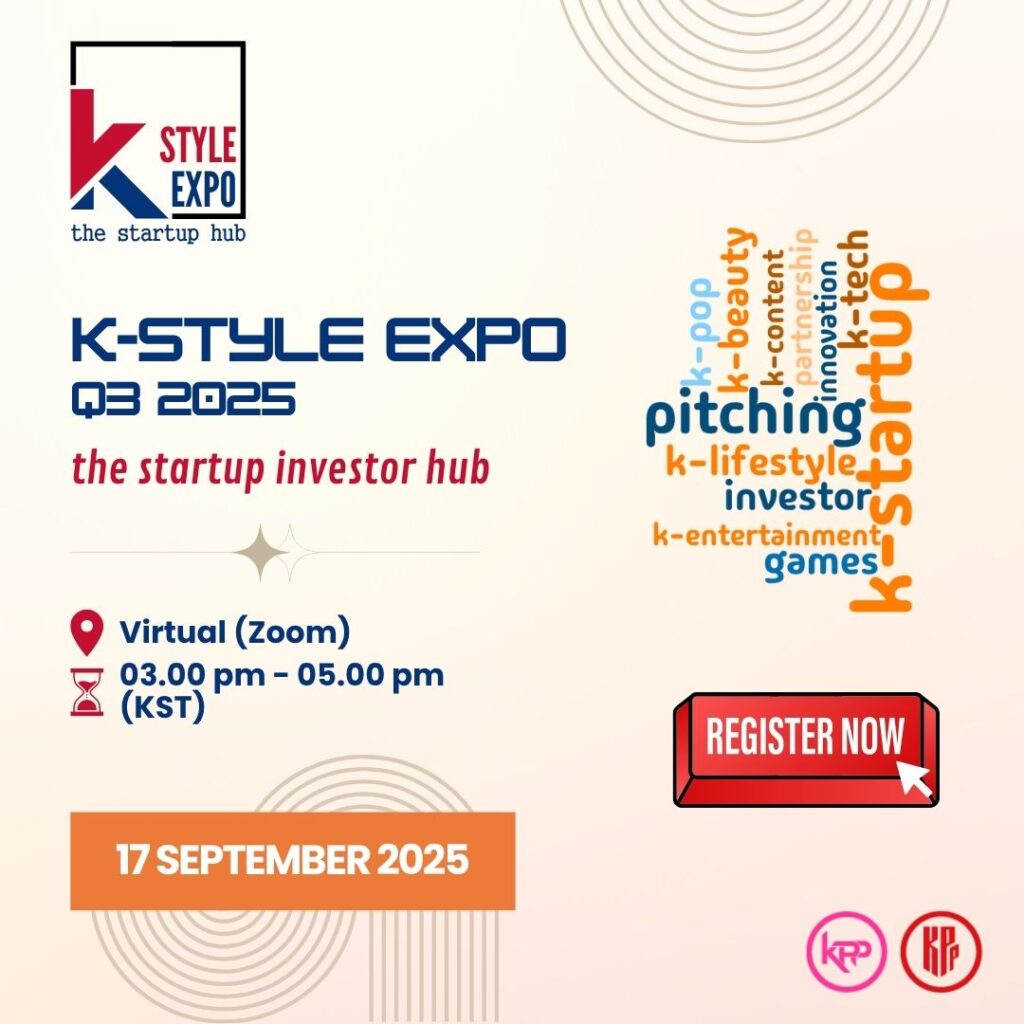
Join us for the third edition of K-Style Expo — the premier online pitching event connecting top Korean startups in K-Beauty, K-Entertainment/Content, and K-Gaming with global investors.
This quarter, we’re spotlighting innovative startups that are reshaping Korea’s cultural exports — from next-gen beauty solutions and content IP platforms to cutting-edge gaming experiences.
Whether you’re an investor looking to explore Korea’s dynamic startup scene or a founder ready to go global, this is the opportunity you won’t want to miss.