

K-pop, K-dramas, and Korean lifestyle have grown into a powerful global “trust asset.” This cultural wave now serves as real infrastructure for international business success. Hallyu opens major doors for Korean companies, yet turning interest into sales remains challenging. In the discussion with KPOPPOST, Geunseon Song, CEO of NESTLAB, shares his strategic thinking. He is reshaping how Korean brands expand globally. He also emphasizes that Southeast Asia remains a huge market for K-Brands, due to their interest in K-Entertainment.
K-Entertainment as Global Infrastructure for K-Brands in Southeast Asia
As NESTLAB CEO, Geunseon Song builds his global business approach on disciplined leadership and sharp analytical thinking. He first sharpened his strategic skills as an officer in the Korean military. Later, he became a qualified startup accelerating reviewer. This background helped him spot a critical market gap. Many Korean brands have excellent products but struggle with global distribution. They also face challenges in building strong, recognizable branding overseas.
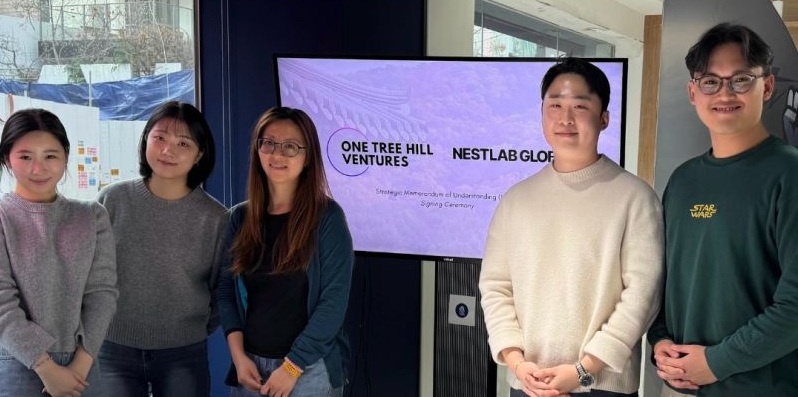
Founded on the belief that a system linking branding, local distribution, and marketing is essential, Song established NESTLAB Inc. in Korea for branding and content and NESTLAB GLOBAL in Singapore for distribution and trade. Song now acts as a global bridge, helping brands move beyond simple exports to achieve deep, long-term market integration.
How NESTLAB Works
NESTLAB operates through a dual-entity structure, with each office serving a distinct strategic role in the globalization of Korean brands. The primary difference lies in their functional focus:
- NESTLAB Singapore (NESTLAB GLOBAL) serves as the headquarters for brand distribution and trade. It is strategically located to act as a hub for the Southeast Asian market—specifically targeting Indonesia, Vietnam, and Thailand—to drive greater scalability for Korean brands. Its core mission is building international distribution networks and providing the logistics and regulatory support needed for market entry.
- NESTLAB Korea (NESTLAB Inc.) is based in Seoul. This office is specialized in branding, localization, and digital marketing. It functions as a creative agency focused on content planning, MCM (Multi-Channel Marketing), and performance marketing. The Korean entity is responsible for brand strategy and localization, helping clients adapt their image and messaging—such as through video production—to suit the specific cultural contexts of international consumers.
In short, while the Singapore entity handles the physical distribution and trade logistics across the Southeast Asian ecosystem, the Korean entity provides the branding and localization expertise necessary to prepare products for those global markets
The Hallyu Advantage: Culture as a “Trust Asset”
For modern global consumers, Korean entertainment serves as more than just entertainment. It lowers psychological barriers for local customers. Song explains that culture has evolved to become a powerful trust asset for Korean brands. However, he warns against over-reliance on this “halo effect,” stating:
“Long-term success is only possible when the interest gained from Hallyu is linked back to the product in an inherent competitiveness and local-customized branding” .
Strategic Hubs: Why Singapore and Indonesia?
When asked why he chose Singapore as a base, Song was straightforward: “Singapore is nearby Indonesia and Vietnam and Thailand, so Singapore is located in the center of the Southeast Asia market.”
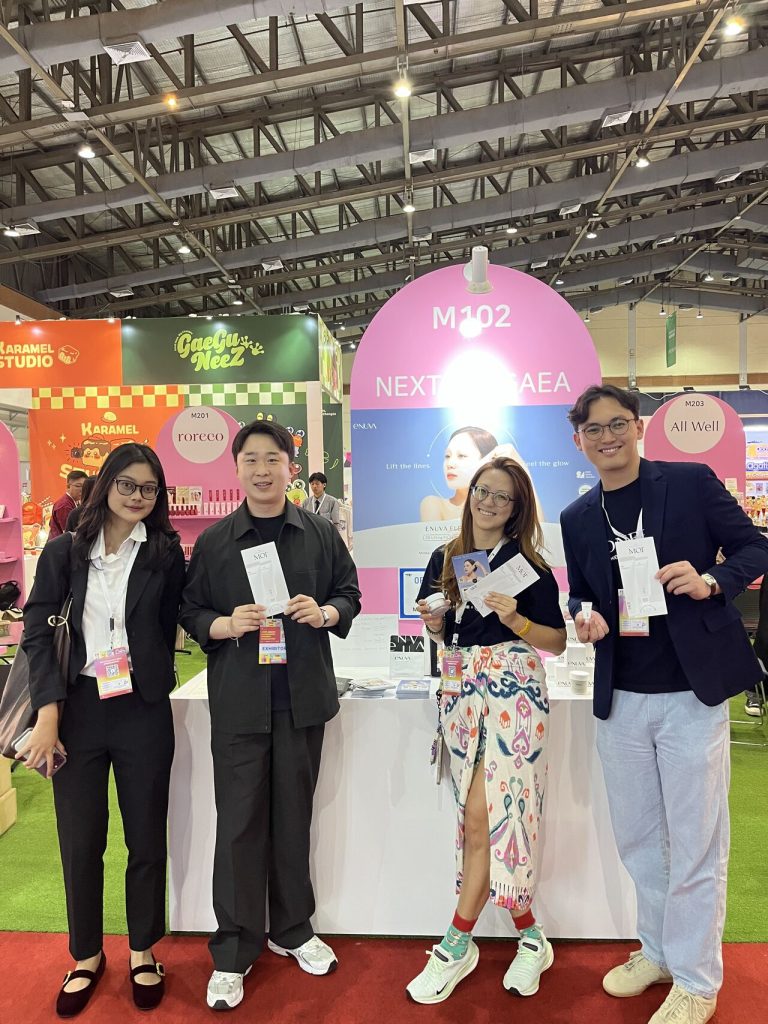
Among these markets, Indonesia stands out as a particular focus due to its remarkable scale — 410 million people with an average age of just 29. Song also notes that local influencers across Southeast Asia, especially in Indonesia, show strong enthusiasm for K-pop, creating a highly fertile ground for Korean brand entry.
Avoiding the “Korean Style” Trap
One of the most common mistakes Song observes is CEOs “clinging to success formulas that are working in Korea” while overlooking local realities.
“For example, Korean marketing often relies on Naver, but Indonesia runs on TikTok and Instagram. Many Korean companies are far less familiar with these video-driven platforms.”
Moreover, price sensitivity is another major factor that Korean brands frequently overlook. Indonesian consumers tend to prioritize affordability over complex product formulas. Many premium Korean brands fail to anticipate this important market difference.
The Power of Detail and Relationships
In Southeast Asian business culture, success is determined by personal relationships and firsthand trust rather than just legal contracts. Song emphasizes that the core of a successful network is “the process of sharing a mature vision and providing execution capabilities, rather than just figures online in the contract.”
He advocates for long-term connections, noting that it often takes two to three years to successfully establish a single product line in a new market.
Future Outlook: Establishing “Korea Standards”
Looking ahead five to ten years, Song envisions Korean culture becoming the “Korea standards,” deeply embedded into daily lives worldwide. While K-beauty remains a dominant force, he sees significant growth potential in tech and the broader lifestyle sector. His ultimate advice for entrepreneurs is to prioritize the ecosystem over the product.
“Look at the ecosystem first, rather than just the product itself… secure the local partners and distributors’ network to support it”.
Advice for Founders: Prioritize the Ecosystem Over the Product
For Korean startups and entrepreneurs dreaming of global expansion—particularly in the fast-growing Southeast Asian region—NestLab CEO Geunseon Song offers a critical shift in perspective. Drawing from his experience building international distribution networks, he emphasizes that domestic success does not automatically translate to global victory without a deep understanding of the local environment.
The Product is Only the Baseline
Song advises founders to “look at the ecosystem first, rather than just the product itself.”
While having a high-quality product is a necessary “baseline,” it is not a guarantee of success in a new market. Entrepreneurs must “objectively analyze the context” in which their product will be consumed to avoid the common pitfalls of entering a market blindly.
The Necessity of Local Partnerships
According to Song, many premium brands fail during overseas expansion because “they didn’t know about… details about the culture and ecosystem.”
To mitigate this, he identifies finding a trustworthy local partner as the single most important first step. He stresses the importance of securing a robust network before making the leap:
“You must objectively analyze the context… and ensure you have secured the local partners and distributors’ network to support it”.
Preparation Through Relationship Building
Song acknowledges that the journey to global scale is challenging, but he remains optimistic about the rewards of thorough preparation. He believes that when strategic preparation is “accompanied by the building of… relations, the global market will surely open its door of opportunity”.
By focusing on long-term connections and local integration rather than just the physical goods, startups can build a sustainable presence in the ASEAN market.
Key Takeaways
- K-Culture as Infrastructure: K-pop and K-dramas act as “trust assets” that lower psychological barriers for local customers, but this cultural interest must be backed by inherent product competitiveness.
- Localization is Vital: Success in markets like Indonesia requires moving away from domestic Korean marketing strategies (like Naver) toward local platforms such as TikTok Shop and Instagram.
- Market Realities: Brands must account for local price sensitivity and the technical complexity of certifications, such as Halal for food products and specific platform-based certifications.
- Relationship-Driven Business: In Southeast Asia, personal, firsthand relationships and a shared vision are more critical for success than the figures listed in a contract.
- Ecosystem First: Founders should prioritize analyzing the local market ecosystem and securing distribution partners before focusing solely on the product itself.
- Product is Only the Baseline: While high-quality products are mandatory, they are merely the baseline; founders must objectively analyze the local context in which the product will be consumed.
- Partner-First Entry Strategy: Securing a local partner is the essential first step, as they provide the cultural and ecosystem details that many premium brands overlook when expanding.
- Preparation Opens Opportunities: Although the global journey is challenging, thorough preparation accompanied by the continuous building of relations is what ultimately opens the “door of opportunity”.
- Future Growth: The next decade will see “Korea Standards” applied to a broader range of sectors, including fashion and the lifestyle industry, moving beyond the current dominance of beauty
Join us on Kpoppost’s Instagram, Threads, Facebook, X, Telegram channel, WhatsApp Channel and Discord server for discussions. And follow Kpoppost’s Google News for more Korean entertainment news and updates.