
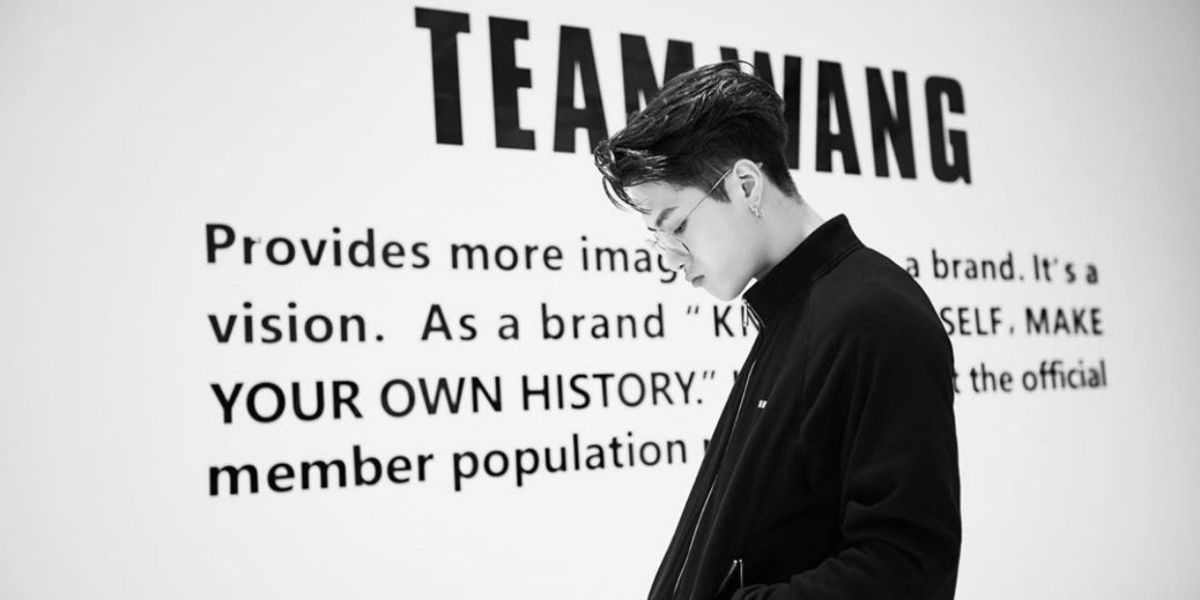
It is interesting to see how Jackson Wang has grown TEAM WANG into a dynamic, multi-layered ecosystem spanning music, fashion, original IP, and global collaborations. In this business analysis, the Kpoppost team examines how these ventures—along with data-driven popularity—translate into sustained revenue growth and global brand influence.
From Artist to Founder: Jackson Wang’s Strategic Business Shift

By 2026, Jackson Wang has moved decisively beyond the traditional definition of a global pop star. Through Team Wang, he has constructed a diversified business ecosystem that spans music, fashion, lifestyle commerce, experiential entertainment, original character IP, and global brand partnerships. What makes this model notable is not its breadth, but its coherence: each business line reinforces the others.
Rather than licensing his name to disconnected projects, Jackson has positioned himself as a founder-creator, controlling creative direction, narrative, and long-term brand equity. This structure mirrors modern cultural companies more than celebrity endorsement portfolios.
Music as the Commercial Engine
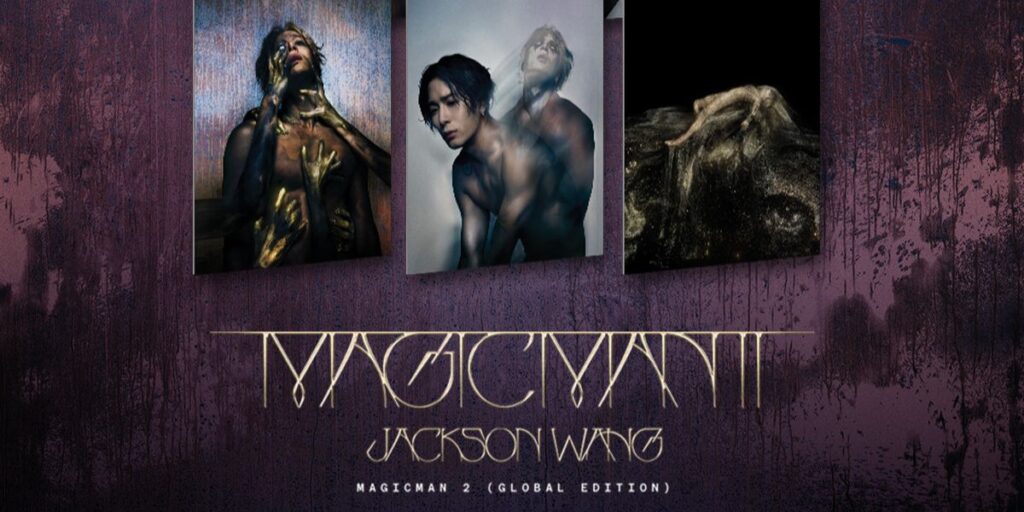
Jackson Wang’s solo music career remains the primary demand driver for the Team Wang ecosystem. His releases are not only cultural moments but measurable commercial signals.
In 2025, MAGIC MAN 2 debuted at No. 13 on the Billboard 200, marking the highest chart placement achieved by a Chinese solo artist. First-week performance was reported at more than 32,000 units, a meaningful indicator of paid consumption rather than passive streaming.
From a business perspective, this distinction matters: paid album buyers are far more likely to convert into purchasers of fashion drops, pop-up exclusives, and live experiences.
This level of global music performance strengthens Jackson Wang’s negotiating power with partners and provides predictable attention cycles that can be synchronized with product and IP launches.
TEAM WANG design: Fashion as a Cultural Platform
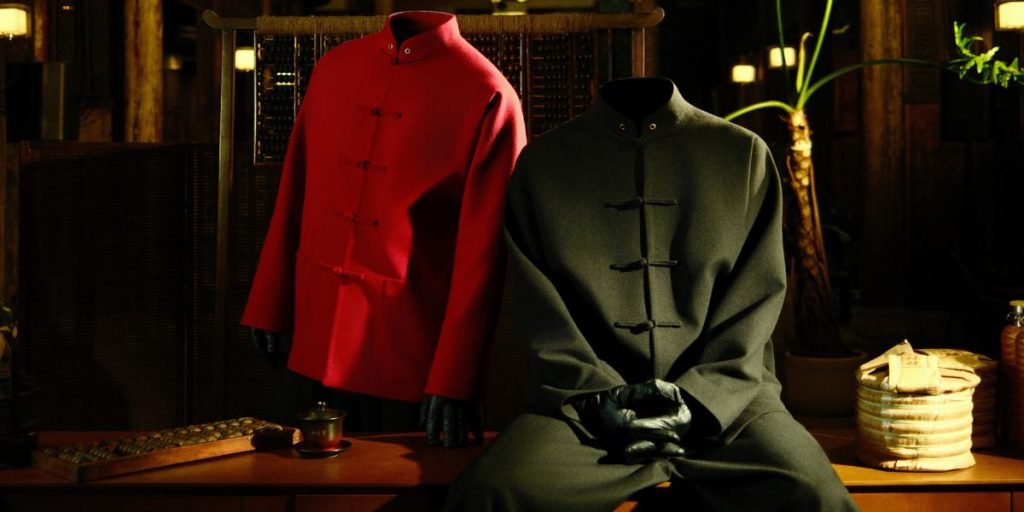
TEAM WANG design operates as a high-fashion, streetwear-rooted lifestyle brand rather than artist merchandise. Co-founded by Creative Director Jackson Wang and CEO Henry Cheung and headquartered in Shanghai, the brand emphasizes cultural storytelling, limited production, and experiential retail.
Its January 2026 collaboration with JDB (Jiaduobao) illustrates this strategy clearly. Launching on January 9, 2026, the collection spans limited-edition cans, co-branded apparel, and an exclusive tea set gift box, supported by an offline pop-up in Guangzhou from January 21 to 25. Timed around Chinese New Year, the partnership leverages a peak gifting season while preserving premium positioning through limited quantities and offline-only products.
From a business standpoint, the collaboration signals TEAM WANG design’s expansion beyond fashion into lifestyle and cultural gifting, while partnering with a heritage consumer brand underscores its growing mainstream relevance.
Spookie and Pumpkie: Building Long-Term IP Beyond Fashion
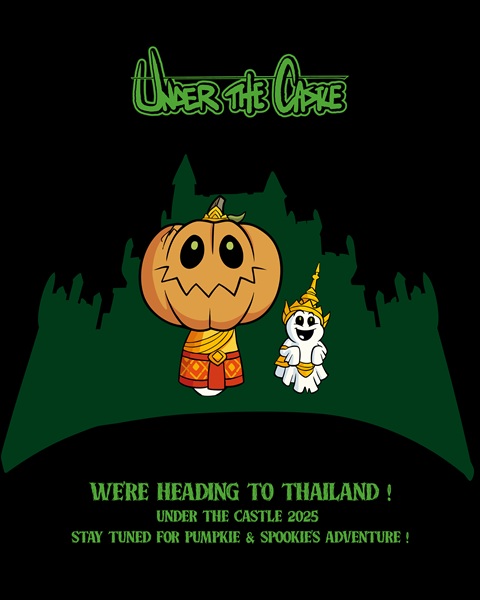
One of Team Wang’s most strategically important assets is its original character IP, centered on Spookie and Pumpkie within the “Under the Castle” universe. Unlike apparel or one-off collaborations, character IP offers repeatability, narrative depth, and licensing potential.
This IP reached a major milestone when “Under the Castle” was featured as a haunted house experience at Universal Studios Singapore’s Halloween Horror Nights. From a business perspective, this marked a transition from brand storytelling to entertainment infrastructure. Theme Park integration validates the IP’s scalability and opens the door to seasonal experiences, merchandise extensions, and future licensing opportunities.
In effect, Team Wang is laying the groundwork for a cultural franchise model rather than a product-only brand.
Popularity That Converts, Not Just Reaches
Jackson Wang’s popularity becomes commercially meaningful because it consistently translates into purchasing behavior. As of early 2026, he commands approximately 33.35 million Instagram followers, providing immediate global distribution without reliance on paid media. However, reach alone does not explain Team Wang’s success.
The more important signal is conversion. Album sales exceeding 32,000 units in a single week, sold-out tours, and high-demand limited activations indicate a fanbase willing to spend. This purchasing behavior underpins TEAM WANG design’s scarcity-driven model and supports the viability of offline experiential investments.
For brands, this combination of scale and conversion significantly lowers customer acquisition costs and de-risks collaboration investments.
The Team Wang Business Model Explained
At its core, Team Wang operates through vertical integration. Jackson Wang maintains control over creative direction, product concepts, and narrative IP, allowing the brand to scale without fragmenting its identity. Cultural calendar marketing, such as Halloween and Chinese New Year, creates predictable annual demand spikes, while limited releases and immersive experiences reinforce urgency and premium value.
Most importantly, original IP, like Spookie and Pumpkie, reduces dependence on continuous music releases. This positions Team Wang for longevity, allowing revenue generation even during periods without major musical output.
A Cultural Company in the Making
By 2026, Jackson Wang’s trajectory suggests a deliberate shift from celebrity entrepreneurship toward building a durable cultural company. Team Wang is no longer defined solely by its founder’s fame, but by a system that converts attention into products, products into IP, and IP into long-term brand equity.
For partners, investors, and cultural observers, the implication is clear: Team Wang is structured not for short-term hype, but for sustained relevance in global culture.
Join us on Kpoppost’s Instagram, Threads, Facebook, X, Telegram channel, WhatsApp Channel and Discord server for discussions. And follow Kpoppost’s Google News for more Korean entertainment news and updates.