

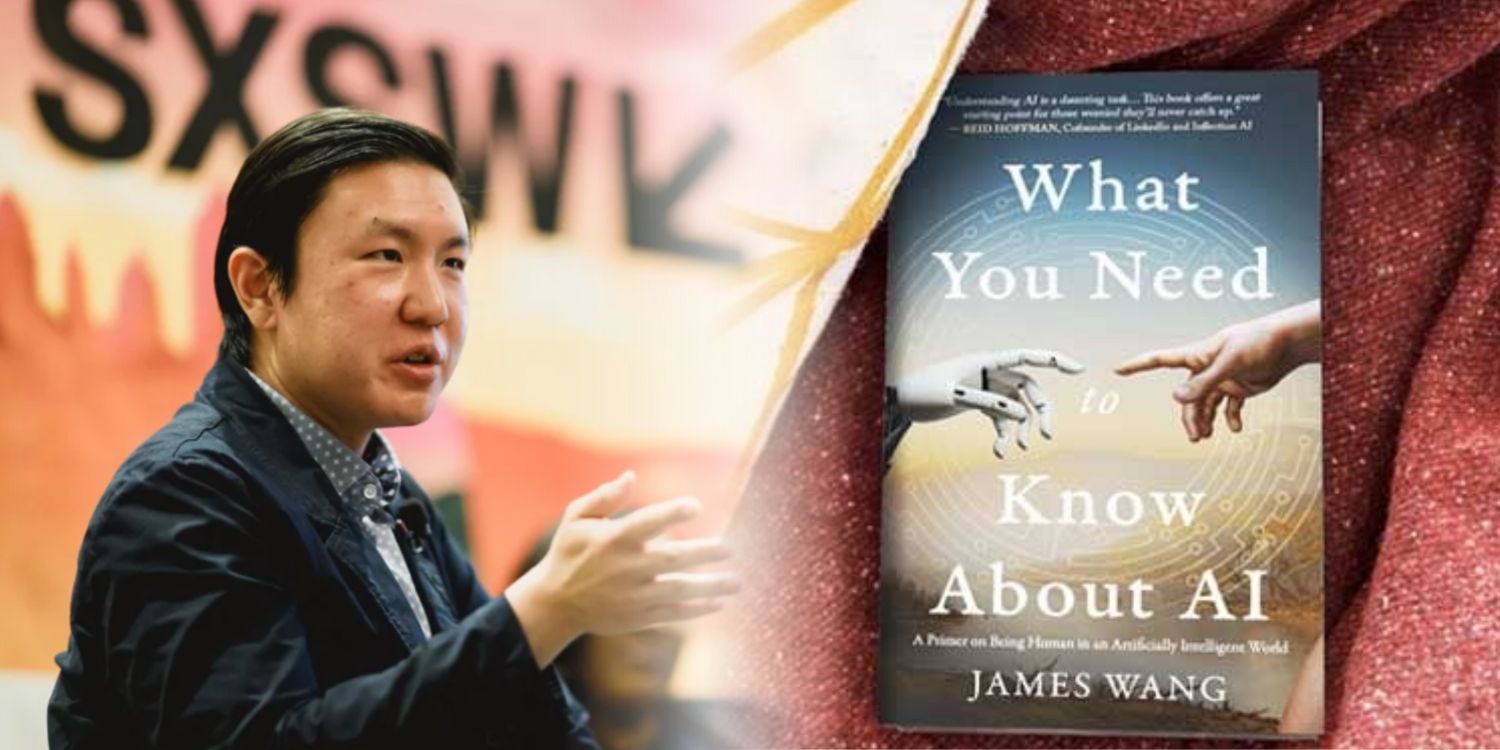
James Wang, general partner at Creative Ventures, has announced the release of his debut book, “What You Need to Know About AI”. Already praised by technology leaders like Reid Hoffman and Jordan Schneider, the book decodes artificial intelligence and makes its impact accessible to everyone, including those working in the dynamic and fast-changing K-entertainment industry.
Why K-Entertainment Needs AI Literacy: Insights from “What You Need to Know About AI”
Digital platforms and global fandoms have fueled the global rise of K-pop, K-dramas, and Korean cinema. Now, AI is becoming the next major driver of change:
- Content Creation: AI-generated music, scripts, and even virtual idols are emerging at lightning speed. “What You Need to Know About AI” helps entertainment leaders distinguish between hype and reality. Understanding this allows them to adopt AI tools in a strategic manner rather than simply reacting to changes.
- Audience Engagement: With fanbases spread worldwide, AI-driven personalization—recommendation algorithms, subtitling, dubbing, and fan analytics—can help agencies and platforms strengthen global reach.
- Intellectual Property & Ethics: As deepfakes and virtual influencers proliferate, K-entertainment companies must understand the ethical and legal questions AI poses. James Wang’s insights into AI’s limits and risks provide a framework for responsible use.
- Business Strategy: Investors, talent agencies, and streaming platforms can benefit from Wang’s systems-level thinking on how AI will reshape industries far beyond the tech sector.
K-entertainment thrives on staying ahead of global trends. By engaging with books like Wang’s, industry players—from producers and managers to talent and investors—can make informed decisions about integrating AI into their creative and business strategies.
K-Entertainment Meets AI: What’s Next?
AI has already entered the K-entertainment scene with virtual idols like PLAVE or MAVE:, AI-powered fan translation platforms, and generative music composition tools. But what comes next could be even more transformative:
- Personalized fan experiences: Imagine AI systems generating custom fan messages, merch, or even virtual meet-and-greets.
- AI-driven production pipelines: From scriptwriting for dramas to choreography generation, efficiency gains could reshape workflows.
- Virtual stars and global fandoms: The line between human and digital performers will blur, creating both new opportunities and challenges for authenticity.
James Wang’s book “What You Need to Know About AI” equips industry professionals with the clarity to navigate these changes wisely. Instead of fearing disruption, K-entertainment leaders can use AI to expand creativity, deepen fan relationships, and strengthen Korea’s cultural exports.
Exclusive Interview with James Wang
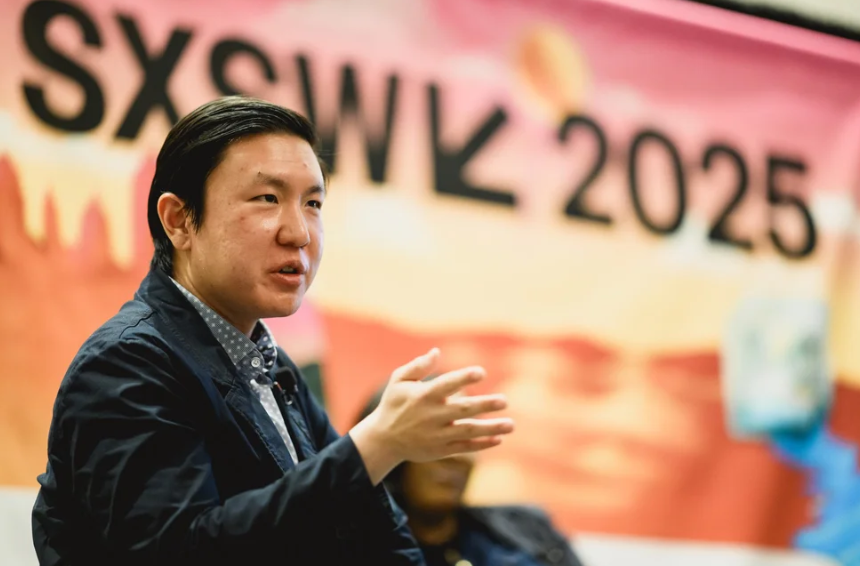
As part of the book launch, James Wang talked to KPopPost about his journey, motivation, and what he hopes readers will take away.
Q: Could you tell us a bit about your professional journey before writing “What You Need to Know About AI”?
James Wang: It’s a hard one to summarize. Currently, I’m a partner at Creative Ventures, investing in deep tech startups, including those in the AI sector, and I sit on the boards of several world-changing companies in the AI space.
I began my career working in nonprofits, primarily in and around West Africa, and eventually specialized in supporting microfinance institutions. After that, I transitioned to working at Bridgewater Associates as part of the investment team. I had helped found a health tech startup, did a stint at one of Google X’s energy projects, and got fairly embedded in the Berkeley and Stanford startup ecosystems. Academically, I have an MBA from UC Berkeley, but also a master’s in computer science and machine learning from Georgia Tech.
It’s been quite a non-linear professional journey, which has helped me navigate the many intersecting worlds of deep tech, including research labs, tech companies, entrepreneurial startups, and governments.
Q: How has your background (career, studies, or personal experiences) shaped the way you think about AI?
James Wang: My days equally require me to talk to AI researchers, corporate stakeholders, investors, and—of course—startup entrepreneurs. Understanding AI and its impact on our lives requires a surprising breadth of knowledge to fully appreciate both the nature of the technology and how it is being used. Of course, it also doesn’t hurt that I’m literally working day-to-day as a VC with many of the innovative companies that will be part of that change.
Q: What inspired and motivated you to write “What You Need to Know About AI”?
James Wang: Given my line of work, I have been repeatedly asked about the significance of AI and where one should learn about it. I can name quite a few academic papers, technical newsletters, and other good sources, but they are relatively inaccessible to those trying to get up to speed on the topic. The more accessible books tended to lean into the “hype” or “fear” aspect of AI, or else felt like “get-rich-quick” schemes.
I was frustrated by the lack of a good, balanced source for someone who wanted to take the time to learn about this potentially world-changing technology. That’s when I resolved to write “What You Need to Know About AI.” It goes through the history, nature of the technology, how it’s being used today, and some of the hard questions it raises in the near future.
Q: You mentioned it took a long time to finish the book. How long did it take from concept to publication? What is the most challenging part? Did you use any AI tools to help you overcome the challenges?
James Wang: The book was completed in an incredibly short period of time by traditional publishing standards—about a year and a half. When I spoke to larger publishers, the timeline required was usually at least three years. That being said, it was still a considerable amount of time. It was hundreds of hours of work on my end, and easily thousands more when you include my editors, copyeditors, and proofreaders.
There were two main challenges in writing the book. The first was due to the nature of the topic. It moves so quickly that many things that I found myself writing would “soon” happen ended up becoming reality—and then widespread—while writing the book. I believe I have ultimately succeeded in writing a book that will remain relevant even in the face of rapid AI improvement, at least for the next few years. The second is a normal challenge for all writers that I underestimated. In crafting a coherent narrative, even in a non-fiction book, you have to sequence your story fairly carefully. When you need to edit and rearrange elements, it tends to disrupt the entire flow of the book. It’s like pulling a single Jenga block from the bottom—the whole tower collapses. That dynamic forced me to essentially rewrite the whole book several times.
Finally, I didn’t actually use AI for the book. One reason is that my publisher forbids it—just like many of the platforms that serve bookstores and libraries, on which my book is now being published. AI still provokes a great deal of fear and anger in much of the literary community. I don’t think it should, especially due to the second reason I avoided using it: I didn’t find it particularly useful for writing.
Current LLMs still have difficulty properly emulating a writer’s voice, and it’s hard to write engagingly using them. While they may improve from here—and there are certain tasks for which they’re useful, such as research or brainstorming—there are many fundamental aspects of the technology that will make it quite difficult to replace human writers fully. But that’s a topic that’s too long to get into here—and which I get into extensively in the book.
Q: Now that the book is out, what excites you most about the conversations it might spark?
James Wang: I’m mostly excited that it will help people in many non-AI and non-technical disciplines be able to engage in the conversation about how we should handle AI in society in an informed manner. Too much of our current dialogue has been wrapped in misconceptions, fears, and even quasi-religious zealotry about the topic. There are so many emotions around it—and so little understanding. Anything my book can do to help rebalance the conversation into a rational one, grounded in the truth, is welcome.
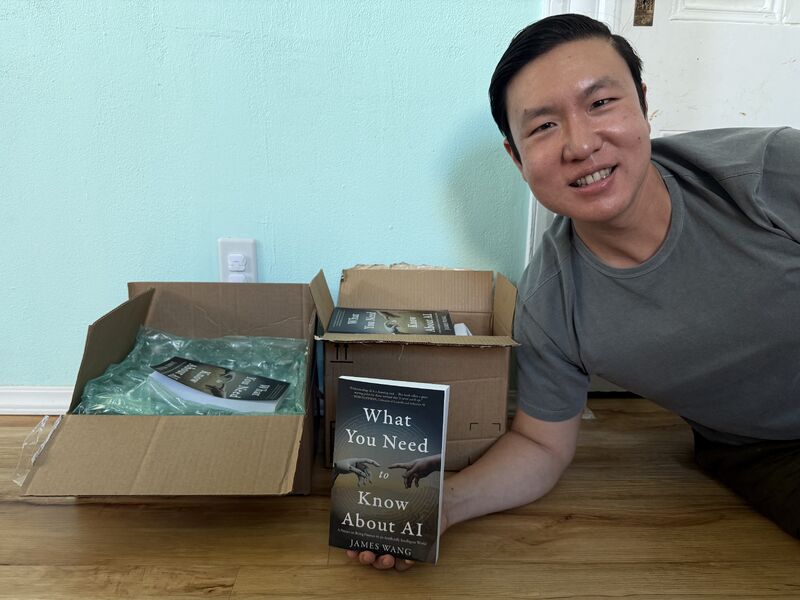
Q: Lastly, if AI wrote a book about you, what do you think the title would be?
James Wang: Well, in this case, why don’t we ask GPT-5?
- “An Unfinished Algorithm” — nods to always learning, not fully “computed” yet.
- “Connecting Worlds” — captures your path across nonprofits, finance, tech, and AI.
- “Learning at Scale” — plays on both machine learning and your own trajectory.
- “VC, Human” — short, tongue-in-cheek, with a double meaning.
- “Too Many Side Quests” — captures the non-linear path with humor.
I picked a few of the ones I liked more, which reflect pretty well the benefits (and shortcomings) of AI.
AI can help speed up certain processes, but ultimately, a human still needs to make a decision. For now, at least, that someone is going to be human.
Insights from James Wang: Lessons for K-Entertainment
As mentioned during the interview, James Wang explained his motivation for writing the book:
“Too often, books about AI lean into hype or fear. I wanted to create something balanced—something that gives history, context, and a roadmap for anyone serious about understanding this technology.”
James Wang.
For the K-entertainment world, this translates into practical takeaways:
- Don’t fall for AI gimmicks. Not every AI tool adds real value—distinguish between trends that matter and short-lived noise.
- Bridge worlds. Just as Wang draws on his diverse career—from nonprofits in Africa to Bridgewater Associates and Google X—entertainment leaders must bridge creativity, business, and technology to thrive in an AI-powered era.
- Embrace dialogue. James Wang hopes the book sparks more rational, informed conversations. For K-entertainment, this could mean better conversations around AI’s role in creative rights, fan culture, and global expansion.
“What You Need to Know About AI” Availability
The book “What You Need to Know About AI” by James Wang will be officially released on October 15, 2025, in paperback, hardcover, and eBook formats. You can pre-order from now.
Connect with the author Jessica H. on LinkedIn
Join us on Kpoppost’s Instagram, Threads, Facebook, X, Telegram channel, WhatsApp Channel and Discord server for discussions. And follow Kpoppost’s Google News for more Korean entertainment news and updates.