
When we talk about K-pop’s iconic fandom culture, what’s the first thing that comes to mind? Some of you might say loyalty — or maybe those unforgettable idol birthday celebrations.
And yet, there’s a darker side that has lingered for decades in South Korea: hate speech disguised under those laws on freedom of expression, spreading rapidly and sometimes even coordinated across social media.
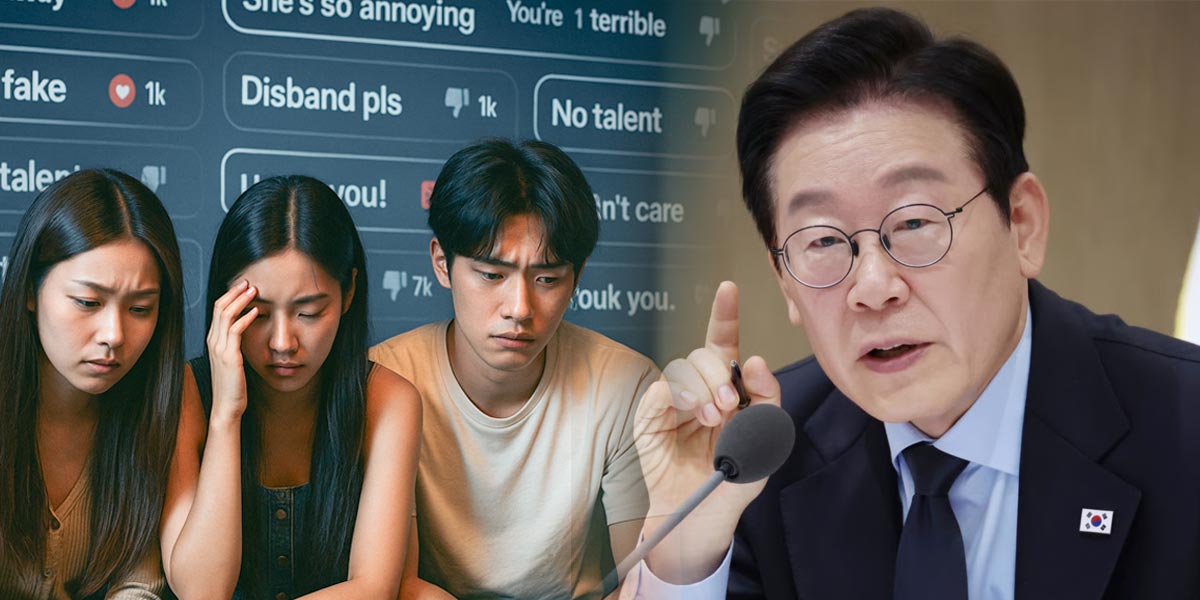
As a result? You’ve probably seen it happen too many times: an idol breaks down on live broadcast. Then, the company posts “we’re taking legal action,” and the fandom timelines escalate into massive fan wars, filled with anger, guilt, and grief.
This is a cycle we all know too well. And so, this time, Korea’s highest office says enough is enough. The President has declared that spreading hate speech and misinformation online will now be treated as a serious crime.
And suddenly, the question every fan must ask is this — when does “freedom of speech” stop, and “protection” begin?
Korea Draws the Line on Hate Speech: When Words Become Crimes
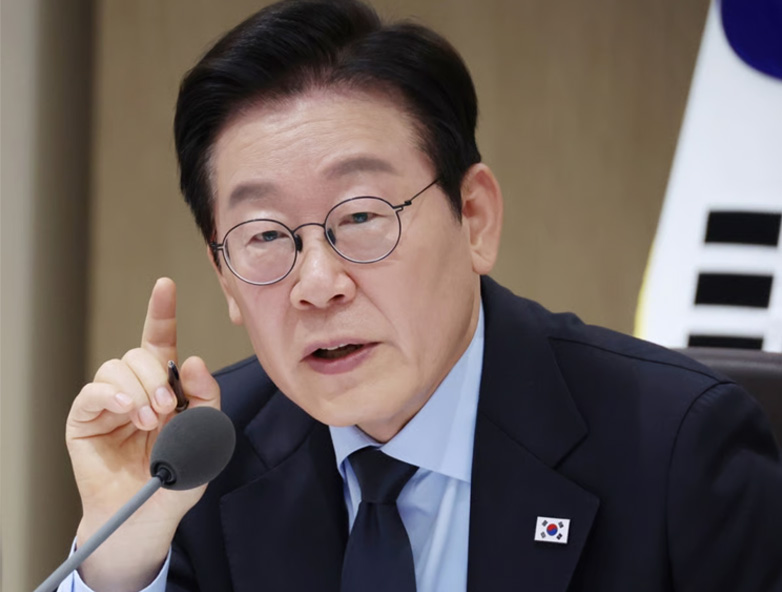
In early November 2025, President Lee Jae Myung announced during a cabinet meeting that the government of South Korea would treat online hate speech and manipulated information as crimes “beyond the limits of freedom of expression.”
He warned that hate targeting nationality, origin, or identity — and the digital mobs spreading false rumors — threaten democracy itself.
Multiple ministries, from the Ministry of Justice to the National Police Agency, are now drafting enforcement measures to penalize such acts. For the first time in Korean history, malicious online behavior could lead not only to defamation suits but also to criminal prosecution under newly proposed laws.
But here’s where things get complex: South Korea doesn’t yet have a specific “hate speech laws.”
The Constitution protects freedom of speech, yet existing laws already punish insult (형법 제311조) and defamation (형법 제307조).
That is why the new direction aims to close these gaps, punishing hateful or misleading speech hurts that hurt entire groups, not just individuals.
What About Free Speech?
You’ve seen how this plays out before — a wave of hate comments, a scandal twisted by misinformation, an idol’s career collapsing overnight.
Both in South Korea and abroad, what happened to Jonghyun, Sulli, and even actor Lee Sun Kyun was a moment fans would never forget, no matter which fandom you belong. Each loss made fans painfully aware that words can actually destroy someone’s well-being.

This is what makes President Lee Jae Myung’s move even more significant in the Korean hallyu communities.
Because for you who have ever reported a malicious comment and watched nothing happen, this feels like overdue justice — a way to protect actors, idols, trainees, and artists who face online abuse daily.
Still, others feel uneasy.
In fandom culture—both South Korea or overseas—freedom of expression is sacred. It’s actually one of the core essences that lets fans analyze lyrics, debate company ethics, and hold powerful agencies accountable.
So, what happens if a sharp critique of an idol’s management is flagged as “harmful speech”? And will fan discussions and whistleblowing become collateral damage in the name of “protection”?
Korea Hate Speech Laws: Between Democracy and Digital Discipline
And so, Korea’s challenge now lies in balance.
Authorities say these laws will defend citizens, including artists, from violence, hate, and manipulation. But civil-rights experts warn that vague definitions could open the door to censorship.
After all, South Korea already has one of the world’s strictest defamation structures — people can face charges for true statements that “damage reputation.” Adding hate speech penalties without clear limitscould create a concerning effect on digital conversations.
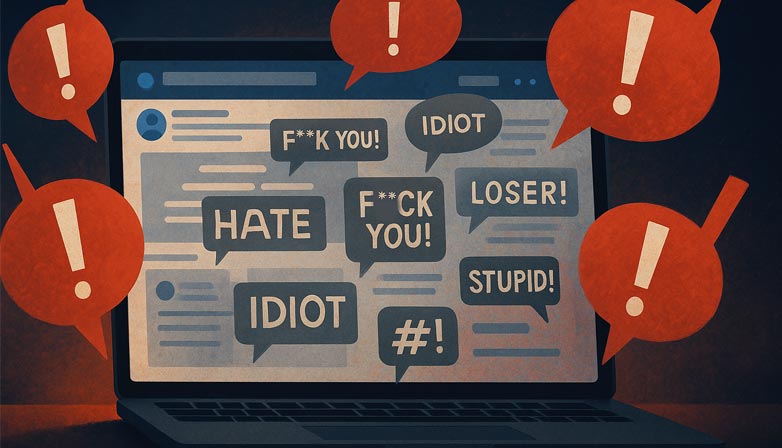
At the same time, lawmakers are drafting a False and Manipulated Information Response Special Act,allowing disciplinary damages up to five times the harm caused.
Combined with new proposals to criminalize public insults toward specific ethnic or social groups, this signals a massive shift in how the Korean internet — and fan spaces — will be policed.
Hence, the new hate speech laws from South Korea could mean new moderation rules on platforms, tighter algorithmic filters, and fewer viral rumor chains for global K-pop fans.
But on the other hand, while it may reduce risks of tragedy in the industry, it would also increase the fear of speaking out.
Shield and Sword Against Freedom of Speech
With the plans to launch this new hate speech laws, entertainment agencies in South Korea are quietly watching. Because for the companies, these laws could become both shield and sword — protecting idols from hate, yet potentially silencing internal critics or contract disputes that spill online.
Some insiders already note that the timing of this crackdown aligns with broader changes: the rise of the Idol Labor Union, the wave of mental-health reform discussions, and fans demanding accountability from both agencies and platforms.
If implemented carefully, this could finally bring structural safety nets for artists’ well-being.
But if not, it risks blurring the line between managing hate — and managing dissent.
K-pop and Freedom of Expression: Should Hate Speech be Punished by Laws?
Now, amidst these turbulences on hate speech laws, we should still remember that K-pop has always been about connection — the way a lyric, a livestream, or a fan letter can bridge worlds. That is why as Korea redraws the boundaries of free speech, every fan, creator, and company stands at a crossroads.
And you, the fans, have the power to decide what kind of digital culture K-pop becomes — one ruled by silence, or one grounded in respect and responsibility. Because the future of fandom isn’t just about who gets to speak. But it’s really about who gets to be heard, and who gets to heal.
So, what do you think about this plan in South Korea — should hate speech be punished by law, even if it limits freedom of expression online? Let us know your thoughts below.
Join us on Kpoppost’s Instagram, Threads, Facebook, X, Telegram channel, WhatsApp Channel and Discord server for discussions. And follow Kpoppost’s Google News for more Korean entertainment news and updates.