

When K-Pop is associated with a product, the impact is often immediate. Exposure builds on familiarity; familiarity builds on trust; and trust leads to purchase, where fans act on endorsements, which becomes a form of participation and support. By understanding the market’s current psychologies, brands use celebrities to invite attention. Follow along with a few case studies to understand how K-pop idol effect helps brands increase sales and revenue in the blink of an eye.
What is the K-pop idol effect?
K-pop fires up sales and revenues by replacing time-based persuasion with pre-existing emotional trust through a strong fan base and fan loyalty. According to a recent Billboard report digging deep to find the size and behavior of U.S. K-pop fandom, 82% of surveyed respondents reported listening to K-pop seven days a week. Their ability to generate immense global engagement among Gen Z and millennials drives social media buzz and earns high media value easily. Having that amount of impact in the world, when a partnership appears, the decision to click “purchase” becomes instant.
Buying “Jennie’s lipstick” or a limited Shin Ramyun set is not a transaction; In K-pop, it is purely a statement of support. Let’s study these cases.
Case Study 1: Blackpink Jennie x Hera
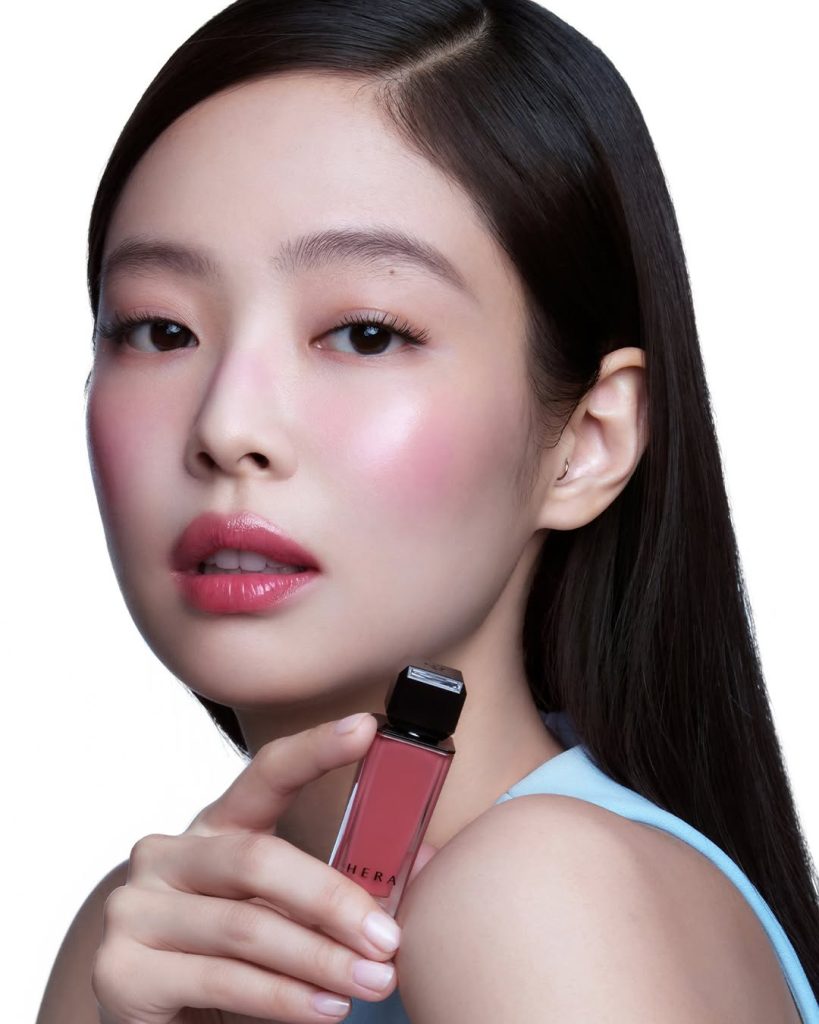


Blackpink’s Jennie was appointed as global ambassador for Hera, a flagship cosmetics line under Korea’s AmorePacific, in 2019. The impact on the Korean luxury beauty brand was huge.
The biggest effect came with Hera’s lip products. According to multiple industry sources, the first lip product Jennie endorsed achieved sales roughly five times higher. Many fans and beauty commentators began referring to the Red Vibe lip series informally as “Jennie’s lipsticks”.
Products associated with Jennie generated significant spikes in unit sales and consumer demand for Hera. Purchasing became a way to mimic Jennie’s aesthetic and trend rather than simply using a beauty product.
Case Study 2: Blackpink Jisoo x Dior
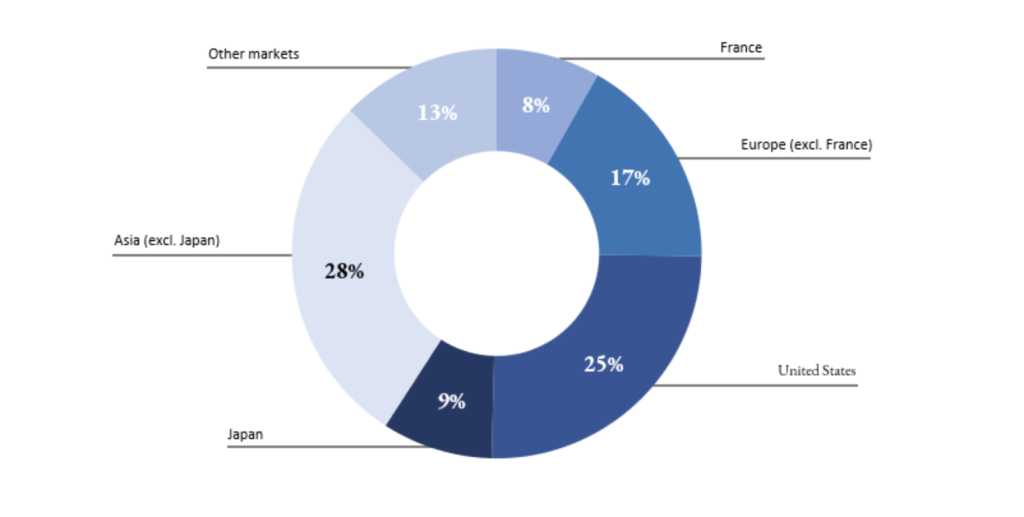
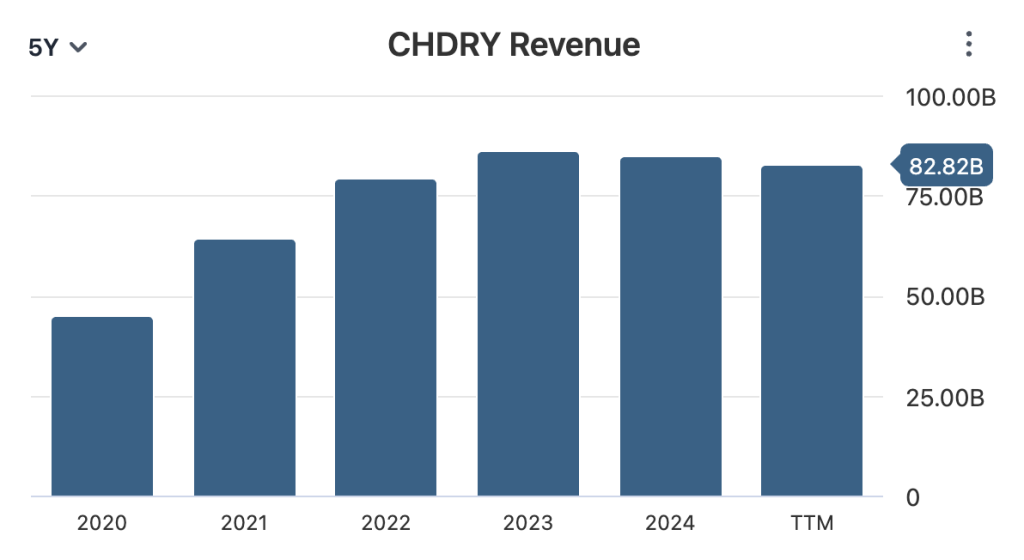
In 2021, Blackpink’s Jisoo was named the global ambassador of Dior. Following her appointment, an eye-catching increase in domestic sales alone was reported. Dior’s recorded sales in South Korea rose from approximately 328.5 billion KRW in 2020 to around 930.5 billion KRW in 2022–approaching the 1 trillion KRW mark.
As a Korean idol within a European luxury brand, Jisoo successfully bridged cultural pride and helped convert admiration into commercial value with the “Jisoo effect”.
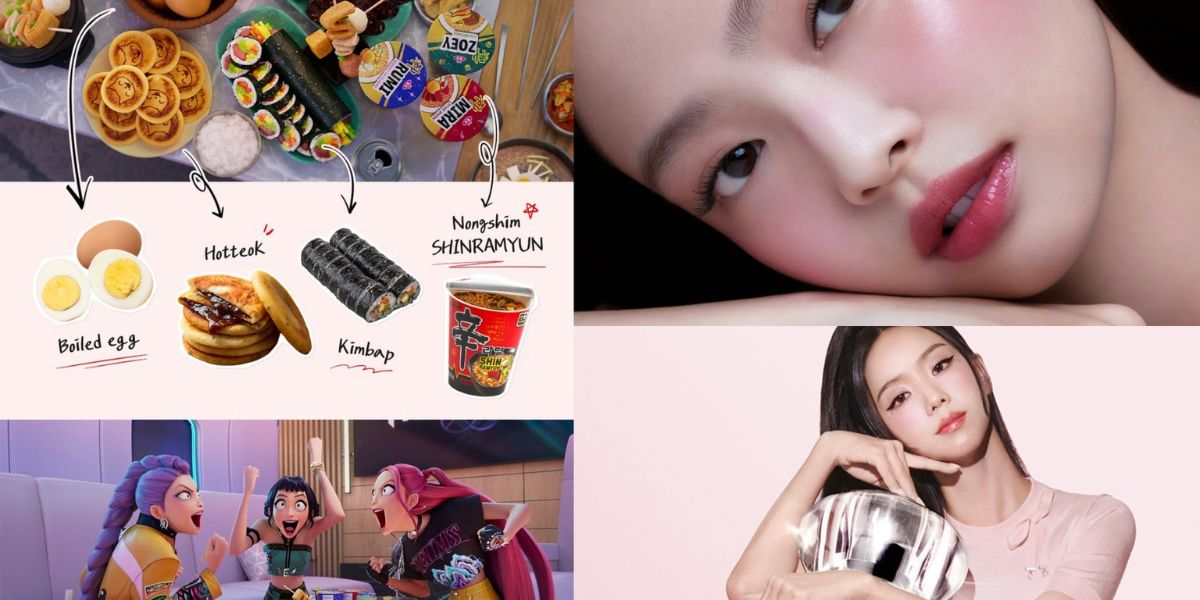
Case Study 3: Nongshim Shin Ramyun x K-Pop Demon Hunters
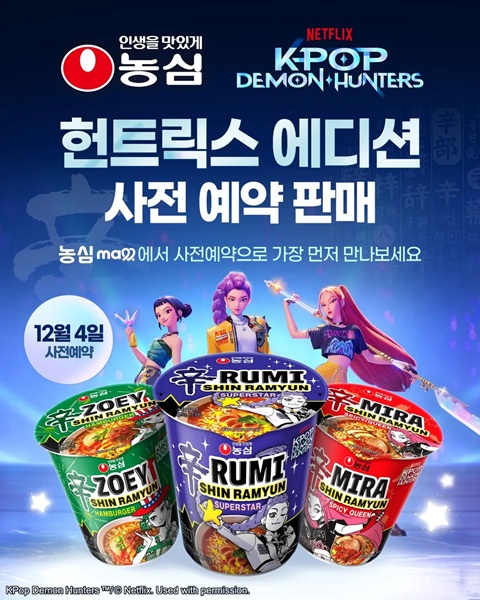
Nongshim and Netflix’s K-Pop Demon Hunters joined hands on August 20 to release a limited 1000 units of themed cup noodles per character across the six characters. After the orders went live, all 6,000 individual products sold out in just about 1 minute and 40 seconds.
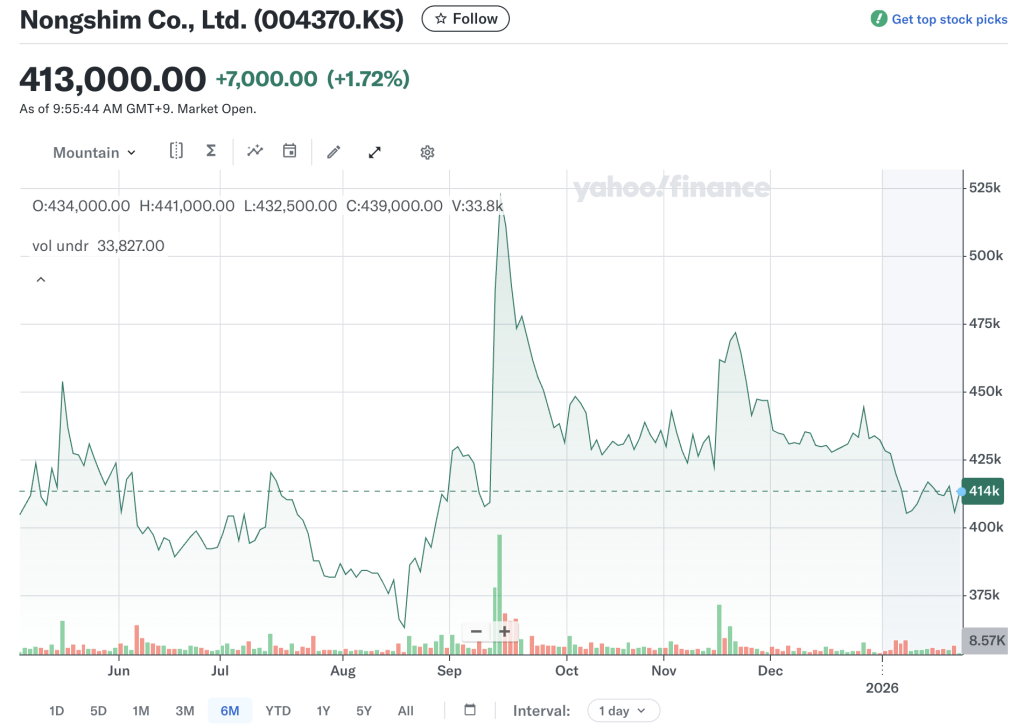
According to ‘Yahoo Finance’, Nongshim’s share price experienced a short-term spike, rising from the low ₩300,000s to a peak of ₩440,000. Following Nonshim’s stock stabilization above its earlier levels, this campaign transformed everyday Shin Ramyun noodles into collectibles.
Join us on Kpoppost’s Instagram, Threads, Facebook, X, Telegram channel, WhatsApp Channel and Discord server for discussions. And follow Kpoppost’s Google News for more Korean entertainment news and updates.