

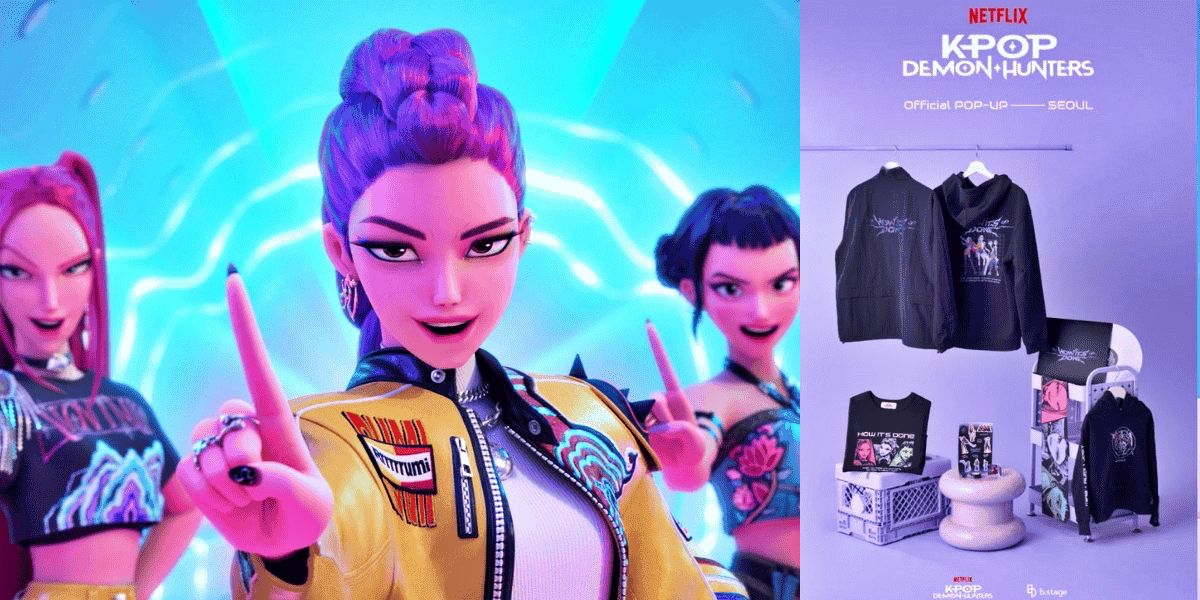
Netflix’s hit animated film, “K-Pop Demon Hunters,” is confirmed to be continuing with a sequel, as announced by Netflix on Friday, March 13, 2026. Directors Maggie Kang and Chris Appelhans will return to direct the project following the success of the first film on the streaming platform.
The film’s success is inseparable from the popularity of the Hallyu wave, which continues to drive global consumption of Korean content. Combining K-Pop music, action, and animation, the project demonstrates that the animation industry can capitalize on popular culture trends. With a large international fan base, the K-Pop Demon Hunters sequel also has the potential to grow into a global franchise through sequel expansion.
The Business Potential of the “K-Pop Demon Hunters” Sequel


According to Netflix’s Tudum, this latest film will be the first project in a long-term collaboration between Kang and Appelhans as both writers and directors. The multi-year partnership is designed to develop more animated projects in the future.
In a statement, Kang expressed his pride as a Korean filmmaker, as the film’s Korean story and characters have received such a positive response from global audiences. He also emphasized that the story world they have built still has much potential for further exploration. This indicates that, from the first film alone, the potential for substantial profits from this story expansion is certain.
The Success of Netflix’s “K-Pop Demon Hunters” as a Market Indicator for the Sequel
The success of the first film was a clear signal that the sequel held enormous business potential. Since its release in 2025, it immediately recorded itself as the most-watched film in Netflix history, garnering over 236 million views in just 91 days. That figure continued to grow, surpassing 500 million views worldwide by the end of 2025, making it one of the platform’s most dominant pieces of content.
Its appeal didn’t stop on the small screen. Forbes reported that the theatrical single-along version grossed approximately $18 million in just one weekend in North America, demonstrating that even films born on streaming platforms can generate significant revenue through the theatrical channel. Meanwhile, the soundtrack also achieved success, with four songs simultaneously reaching the Billboard Top 10, confirming that this audiovisual work generates economic value in the music industry.
With such a market track record, sequels already have significant capital in the form of a loyal global audience base, making the business risks borne by both studios and streaming platforms much more measurable.
How Netflix’s “K-Pop Demon Hunters” Expands Its Animation Business
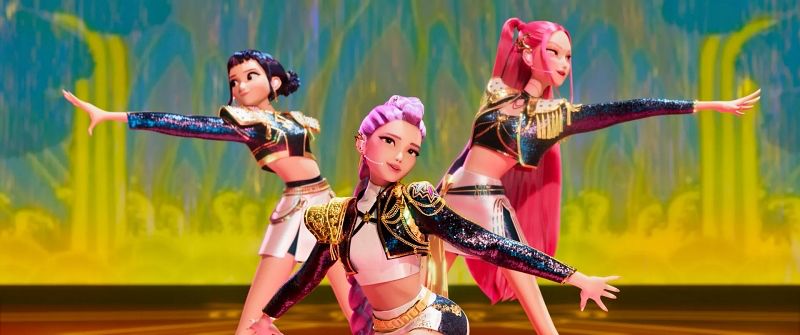
Netflix is making the film “K-Pop Demon Hunters” part of a broader plan to strengthen its animation business in the global streaming market. The film, produced in partnership with Sony Pictures Animation, reflects the model of a streaming platform and a major studio working together to create international-class content. By investing in animation and K-pop content, Netflix seeks to create IP that can develop into long-term franchises and reach a broader international market.
Animation as a Globally Marketable Format

Animation has a significant advantage in the streaming industry because it’s easier to market globally than live-action. This format enables more universal storytelling and easy localization through dubbing and subtitles without compromising the visual experience.
In “K-Pop Demon Hunters,” the animation creates a fantasy world featuring K-pop concerts and, interestingly, supernatural battles. This format’s advantages make animation an effective medium for streaming platforms like Netflix to reach a global market.
The Strategic Value of Intellectual Property (IP)
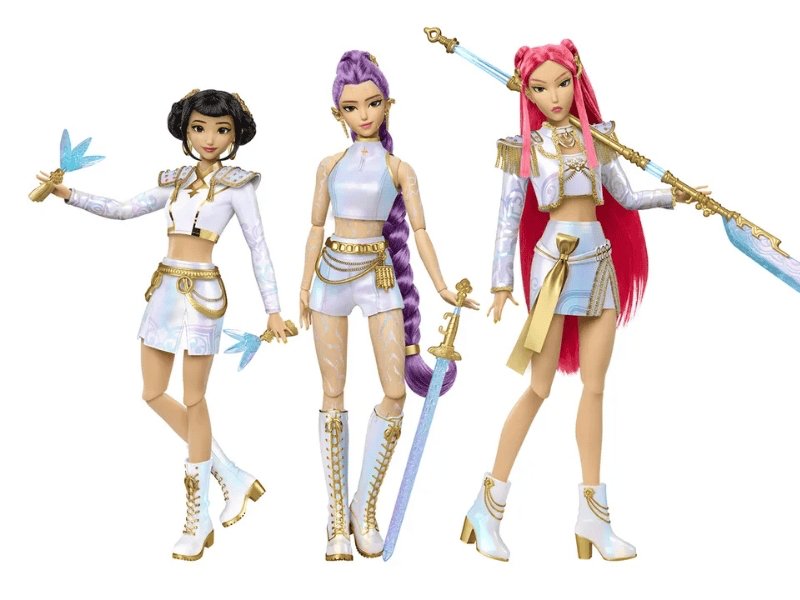
In the modern entertainment industry, the primary value often lies in intellectual property (IP): characters, stories, and fictional universes that can be further developed across various media forms. The animated film itself possesses strong IP. It combines several globally popular elements. such as Korean idol culture, the fantasy-action genre, and the animated musical format. The latter blends storytelling with pop music in a style that resonates with audiences worldwide.
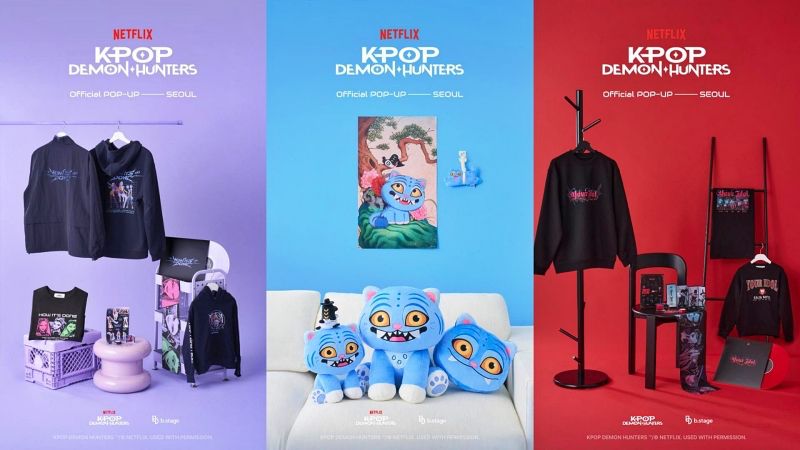
This combination creates a story world that can be expanded into various derivative content forms, such as animated series, character spin-offs, merchandise, digital games, and soundtrack and music projects.
The creators acknowledge that their universe still has many unexplored corners, and the sequel currently in development will provide a gateway to delve deeper into both the storyline and character development.
For a media company like Netflix, having a solid IP means establishing a foundation for building a long-lasting, global franchise, identified as an asset with far greater profit potential than relying on a single film.
From Sequel to Global Franchise: The Next Stage for “K-Pop Demon Hunters”
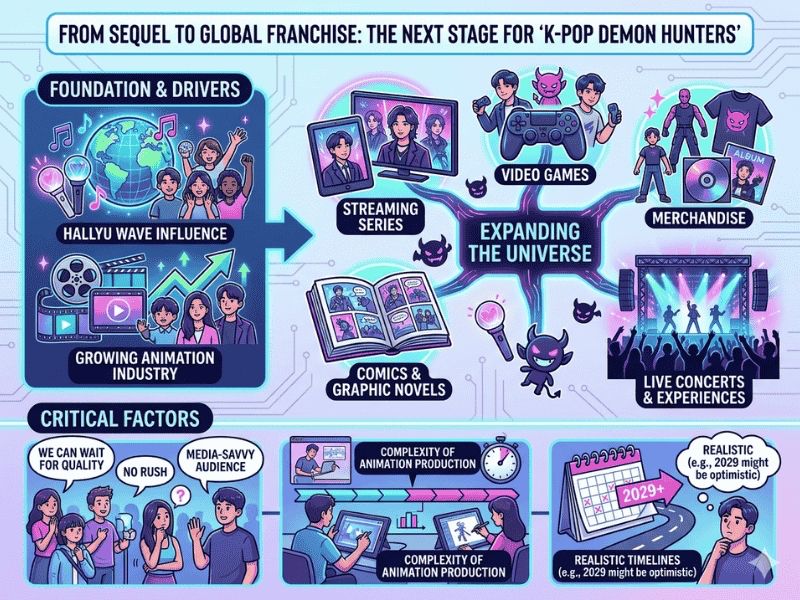
The success of Netflix’s “K-Pop Demon Hunters” highlights how films can grow beyond a single hit into a global franchise in the ever-growing animation industry. With the growing influence of the Hallyu wave, the upcoming “K-Pop Demon Hunters” sequel has strong potential to expand its universe across multiple platforms and media formats.
Director Chris Appelhans also noted the online audience reaction: “If there’s going to be a sequel, let them do it. There’s no rush. We can all wait.” He added that modern audiences are highly media-savvy and willing to wait for good quality. Given the complexity of animation production, reports suggesting a 2029 release may be overly optimistic.
Join us on Kpoppost’s Instagram, Threads, Facebook, X, Telegram channel, WhatsApp Channel and Discord server for discussions. And follow Kpoppost’s Google News for more Korean entertainment news and updates.