

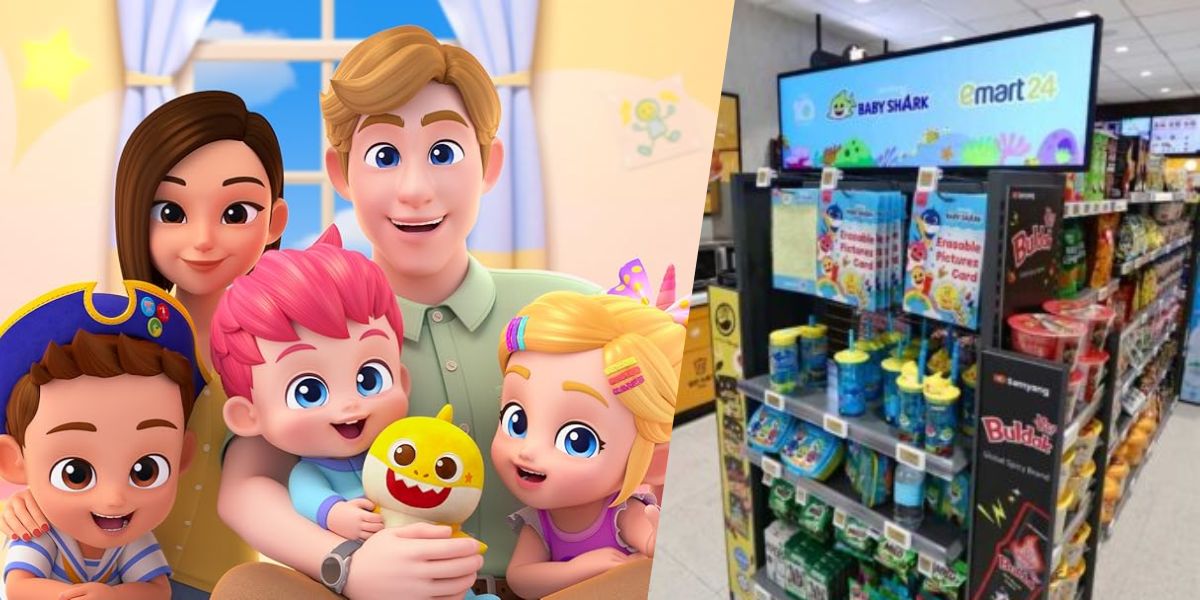
Korea’s entertainment industry is evolving—and fast. With visionary policies and global-scale content strategies, South Korea is turning homegrown characters like Bebefinn into internationally recognized brands. The Pinkfong Company‘s expansion into Southeast Asia with the first Bebefinn kids café in Malaysia is more than a brand activation.
From “Baby Shark” to Bebefinn: South Korea’s IP Expansion Engine
Known for turning simple melodies into cultural phenomena, The Pinkfong Company is now leveraging Korea’s content-export policies to scale its Bebefinn franchise beyond the screen. A new kids café in Johor Bahru, Malaysia, blends interactive play zones, family dining, and themed retail.
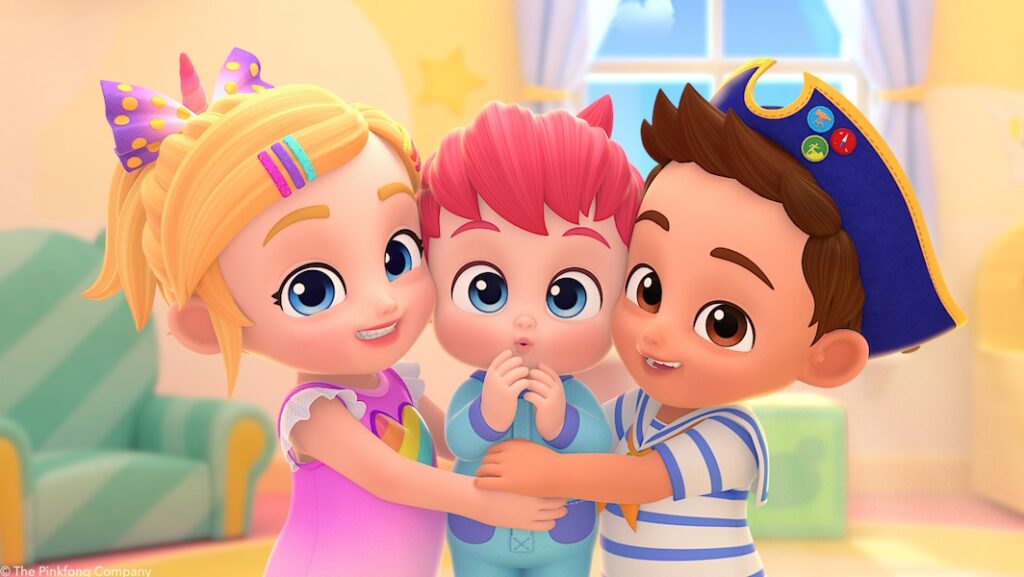
Located in The Mall, Mid Valley Southkey, the 413 m² (125 pyeong) venue is the ninth Pinkfong-themed café in the country. Designed as a 360° experience, it features nine interactive play zones, six mini-games, family dining, and themed retail, all centered around Bebefinn and friends Finn, Bora, and Brody.
This approach is not just for children. It represents the next phase of intellectual property (IP) commercialization, supported by industry policy and a highly responsive global fanbase.
K-Content Policies: The Backbone of Global IP Growth
South Korea’s government has long prioritized content globalization through initiatives like:
- Content Korea Lab (CKL) for IP incubation
- Export vouchers and tax benefits for K-content companies
- Support for cultural spaces and IP-themed attractions abroad
- Collaboration with trade offices (like KOTRA) for localization efforts
These frameworks empower entertainment companies to turn digital fandom into physical experiences—and unlock repeatable business models across regions.
Southeast Asia: The Pilot Market with Proven Potential
The choice of Malaysia for the first Bebefinn café wasn’t random. It’s a high-engagement market for Korean kids’ content, ranking top 10 globally for Pinkfong with 4.1B+ YouTube views and 220M hours of watch time. Southeast Asia’s youthful population, digital fluency, and deep affinity for Korean culture make it ideal for K-content IPs to launch real-world experiences.
Moreover, Pinkfong’s FMCG collaboration with E-Mart24 in Malaysia. They offer Bebefinn-themed snacks, like carbonara tteokbokki, strawberry cream cheese hotteok, and triangular gimbap. The decision is a smart crossover of K-content and K-food, creating shelf-space storytelling that speaks to both kids and parents.
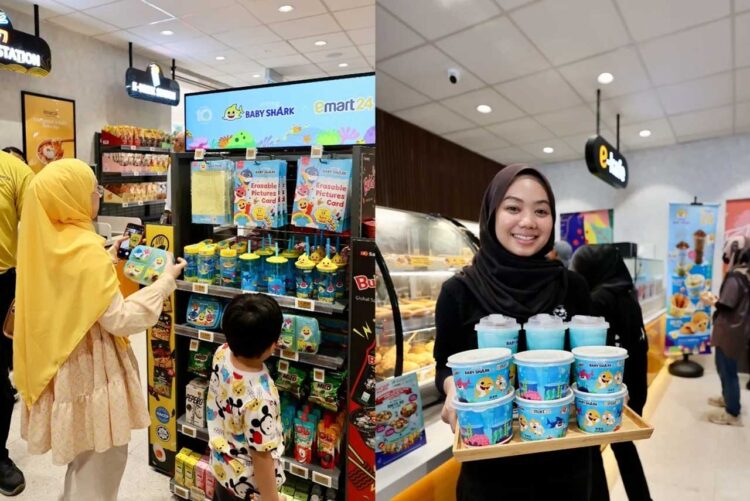
Not only that, Malaysia also provides kids playground with Bebefinn theme.
The Global Business Case: Could IP Cafés Work in Other Countries?
The answer is, yes! And here’s why:
1. Proven Demand for Experiential Entertainment
In markets like Indonesia, Vietnam, the Philippines, Mexico, and the UAE, young families are craving immersive, educational, and culturally enriched spaces. Branded IP cafés meet that need with built-in character loyalty, especially when content is already popular on YouTube or OTT platforms.
2. K-Content as a Premium Lifestyle Brand
Korean IPs carry a halo of quality, safety, and educational value. This makes it easier to justify premium pricing in international markets, whether it’s for play cafés, merchandise, or themed foods.
3. Franchisable, Scalable Business Model
Bebefinn kids cafés are modular in design. It’s easily localizable by franchise partners. By partnering with regional mall operators or real estate developers, Korean content companies can rapidly expand without heavy capital expenditures.
4. Cross-Sell Opportunities: From Snacks to Streaming
Once inside the café, families are prepared for upselling: Bebefinn toys, storybooks, branded apparel, snack products, and even digital subscriptions. Each café becomes a micro-hub for multi-platform monetization.
5. Aligns with Global Retail Trends
The retail world is increasingly adopting “phygital” models, which combine digital interactions with physical experiences. K-content cafés are a great example of this trend; they bring the popularity of YouTube into real-life community spaces.
Takeaway: K-Policies Are Building the Future of Global Entertainment
Korean government strategies are helping companies like The Pinkfong Company turn viral hits into global consumer ecosystems. With the Bebefinn café in Malaysia as a case study, it’s clear that Korea’s IP-first, experience-rich approach to global fandom can thrive across continents.
Whether you’re a K-entertainment fan, content entrepreneur, or investor looking for the next wave in experiential retail, keep your eyes on Korea’s IP exports. They’re not just entertaining kids, but also creating international business empires.
Join us on Kpoppost’s Instagram, Threads, Facebook, X, Telegram channel, WhatsApp Channel and Discord server for discussions. And follow Kpoppost’s Google News for more Korean entertainment news and updates.