

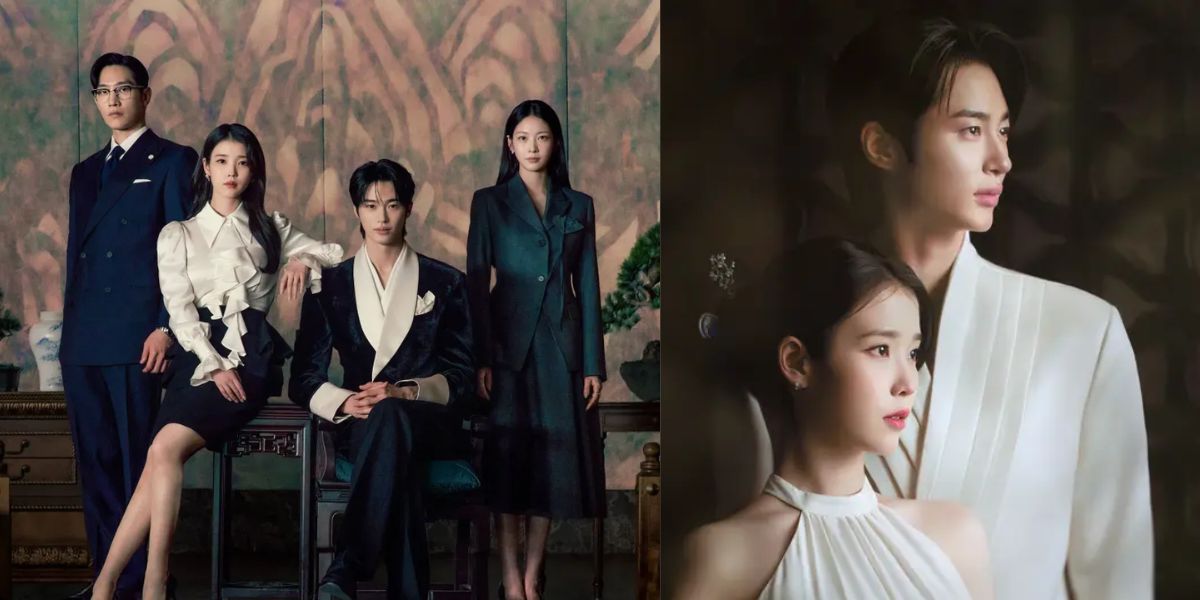
It’s rare for a coronation scene in a rom-com to spark such massive national criticism. MBC’s “Perfect Crown,” starring IU and Byeon Woo Seok, concluded its run with a high 13.8% rating and global popularity on Disney+.
However, instead of being celebrated, the “Perfect Crown” controversy escalated into a major polemic. Historians, academics, and netizens highlighted alleged historical inaccuracies in the K-drama, which was deemed to touch on sensitive issues of Korean national identity and sovereignty.
If you’re curious about why this controversy sparked such outrage among the Korean public, find the answer in this article.
How a Hit K-Drama Sparked Criticism Over National Identity and Historical Inaccuracies
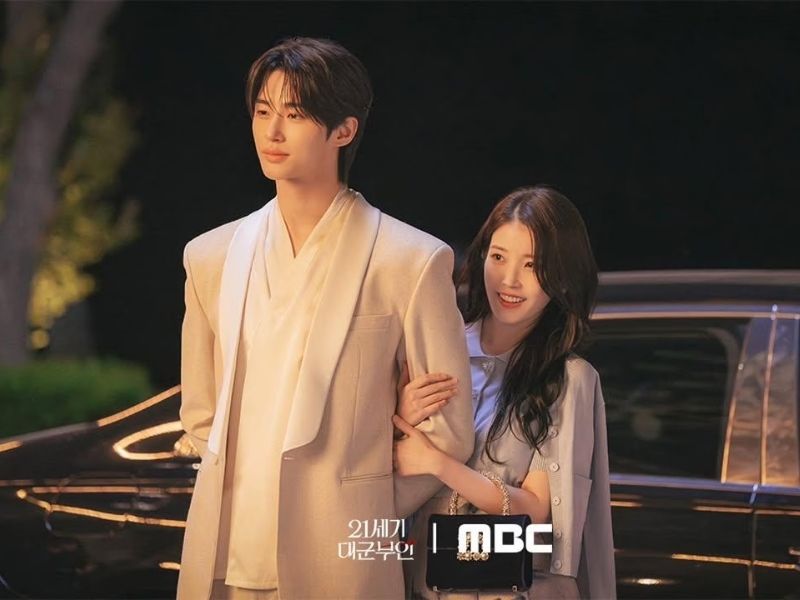
Instead of celebrating its global success, “Perfect Crown” became the center of a national controversy in South Korea. The MBC drama, starring IU and Byeon Woo Seok, quickly sparked debate over historical inaccuracies in Korean dramas regarding Korean identity and national sovereignty.
Set in an alternate modern-day Korea under a constitutional monarchy, the series initially appeared to viewers as a romantic fantasy rather than serious historical fiction. However, criticism intensified after the coronation scene of Grand Prince Ian, played by Byeon Woo Seok, was compared to the ceremonial traditions of Imperial Chinese vassal states rather than those of an independent Korean monarchy.
Critics also argued that “Perfect Crown” failed to establish a convincing alternate historical timeline, despite deviating from Korean history by nearly 200 years.
“The issue here is the form of the country. The problem with “Perfect Crown” is that it seems as if Joseon is under China’s auspices.“
Jang Hansol, a South Korean YouTuber from Korea Reomit
Four Scenes That Sparked Outrage Over Historical Inaccuracies in “Perfect Crown”
Although presented as romantic fiction, critics and historians have noted that several scenes in “Perfect Crown” touch on sensitive issues of Korean sovereignty. Here are four such scenes:
The Coronation Crown
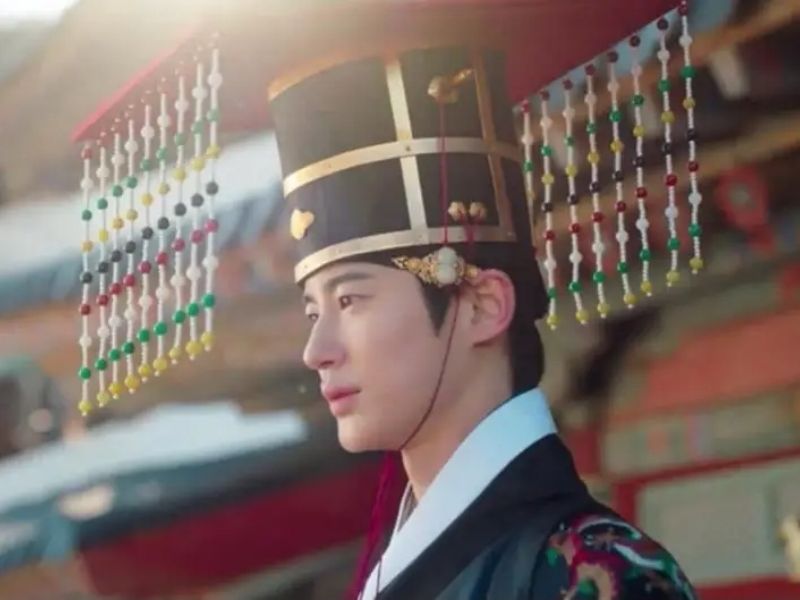
One small detail about the crown sparked outrage among many viewers. In episode 12, Grand Prince Ian was crowned king, but he wore the Guryumyeongwan, a nine-beaded crown historically worn only by Joseon kings during the period of Chinese rule.
A sovereign king should have worn the 12-beaded Sipyiryumyeongwan, the same crown worn by King Gojong when he proclaimed the independence of the Korean Empire in 1897. This mistake wasn’t just a costume mistake. For many viewers, what they witnessed felt like a political statement.
Cheonse vs. Manse
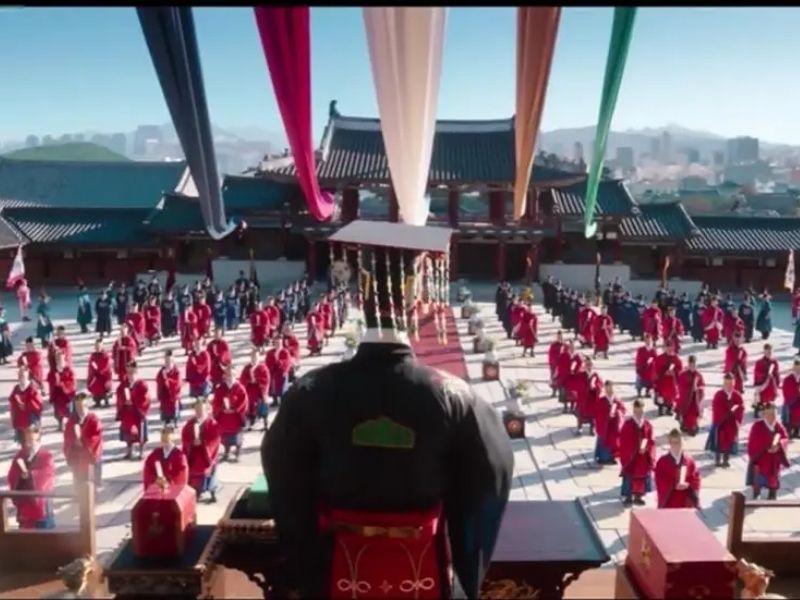
The coronation of Grand Prince Ian also drew criticism for ceremonial dialogue deemed historically inaccurate. In the scene, ministers and nobles chant “Cheonse,” meaning the hope for a thousand-year kingdom, instead of “Manse,” which symbolizes ten thousand years of glory.
Historians believe the use of “Cheonse” is synonymous with the period when Joseon was still under the influence of the Chinese empire. After Korea became a sovereign and independent kingdom, the official expression changed to “Manse” to emphasize the country’s sovereignty.
Therefore, many viewers believe the dialogue choices in “Perfect Crown” further exacerbate the controversy surrounding the distortion of Korean history and national identity.
Royal Titles Mismatched to the Wrong Dynasty
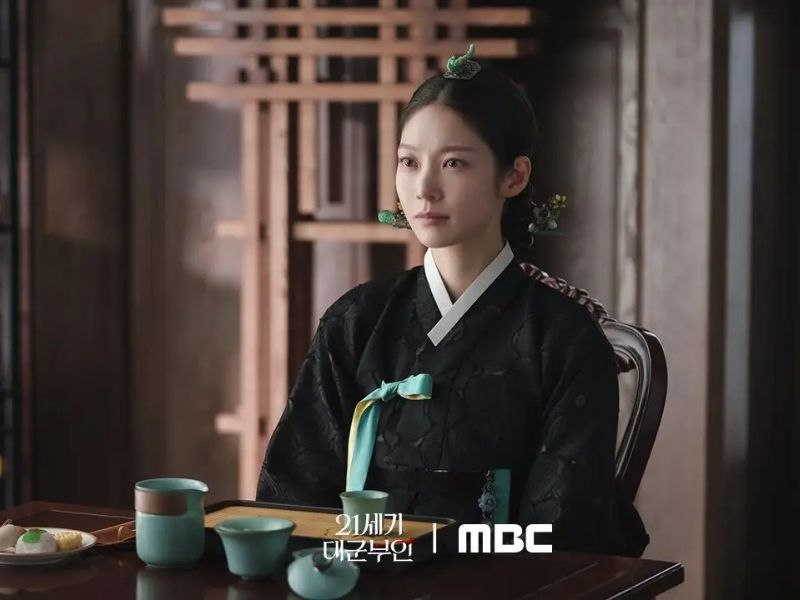
The drama also uses royal titles that actually existed during the Joseon Dynasty (1392–1910), including those of Ian, Seong Hee-ju (played by IU), and the Queen Mother (played by Gong Seung-yeon). However, Perfect Crown’s fictional setting refers to the imperial system, not Joseon. A contradiction that critics argue reinforces the impression that the production team lacks a thorough grasp of the historical material they are using.
The Tea Ceremony Scene
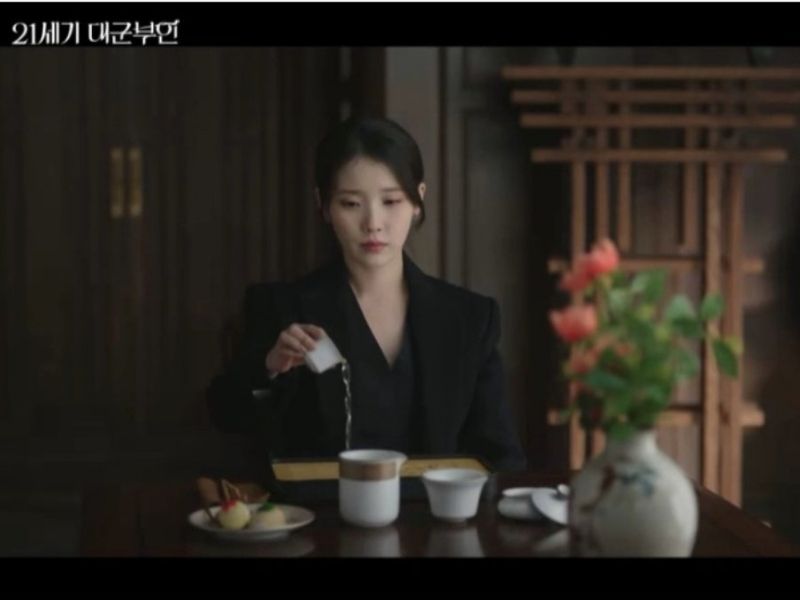
The tea ceremony scene also drew criticism for its depiction of etiquette synonymous with Chinese tradition, including the method of pouring water into a tea tray. Amid growing public sensitivity to Korean and Chinese cultural issues, many viewers considered these details too close to Chinese cultural practices. Criticism grew as the scene was considered not only historically problematic but also touched on Korean political issues.
“There’s also the main character who refuses to wear a hanbok, and those who do wear it are all antagonists, making Koreans seem like bad guys. And when the main character wears a hanbok, the lead drinks tea, which is actually closer to Chinese culture. Even the pens they use are made in China, so little things like this pile up and explode.”
Jang Hansol, South Korean YouTuber from Korea Reomit.
IU and Byeon Woo Seok Respond With Public Apologies
The wave of criticism finally prompted the main cast to speak out. IU first posted an apology on Instagram, admitting that she failed to thoroughly research the historical inaccuracies before accepting the project.
Byeon Woo Seok followed with a handwritten letter promising to take greater responsibility for the message and context behind each project he chooses.
Director Park Joon-hwa also responded, saying the screenwriter was going through a lot of hardship. However, the apology sparked a new debate. How much responsibility should an actor actually bear for historical errors in a drama? Many pointed out that the script for “Perfect Crown” was delivered in stages. IU only received the script for episode 10 in December 2025, even though filming had begun in July. But for some viewers, that wasn’t enough.
Historical Trauma Deepens Korea’s Sensitivity Over Sovereignty Issues
For many South Koreans, the issue of sovereignty has highly sensitive historical roots. Korea’s tributary relationship with the Ming and Qing dynasties, including King Injo’s surrender to the Qing Dynasty in 1636, is still considered one of the most shameful wounds in Korean history. Therefore, any royal symbols or dialogue perceived as resembling China’s vassal status easily triggers emotional public reactions.
This sensitivity has also increased amidst domestic political changes. A 2025 survey showed that Koreans now value democratic maturity and national identity more than mere economic prosperity. The situation became even more complex after martial law in late 2024 heightened public attention to national sovereignty.
Meanwhile, academics warn that the “Perfect Crown” controversy could be exploited by China through its “Northeast Project” to strengthen its claim to Korean history and culture. It becomes increasingly clear why Koreans are so drawn to issues depicted in K-dramas.
“Besides the critics, there are those who don’t seem to care about this case. However, the problem is that if this drama airs overseas, China could use it as a weapon to claim that South Korea was once under Chinese control. Historically, that’s not the case.” – Jang Hansol, a South Korean YouTuber from Korea Reomit
MBC Cuts Byeon Woo Seok’s Coronation Scene to Prevent Misleading Historical Narratives
In response to the criticism, MBC officially removed the scene to prevent the spread of historical misconceptions among the public.
MBC has also begun gradually removing the scene from various content and broadcast platforms to prevent further misunderstandings. According to an official statement from MBC, the scene of Prince Ian’s coronation is currently being edited.
Conclusion
Ultimately, “Perfect Crown” reveals that the global success of K-dramas now comes with a much greater responsibility for historical representation. Amid international popularity on Disney+, the “Perfect Crown” Controversy demonstrates that historical inaccuracies in K-dramas are no longer seen as minor details but as issues directly related to a country’s national identity and sovereignty.
The controversy, which has drawn in IU and Byeon Woo Seok, also raises new questions about the future of Korean alternative history dramas, especially those involving the Joseon monarchy. As millions of global viewers shape perceptions of Korean history, the public is increasingly demanding that the entertainment industry be more careful in its depiction of national identity and cultural heritage.
Join us on Kpoppost’s Instagram, Threads, Facebook, X, Telegram channel, WhatsApp Channel and Discord server for discussions. And follow Kpoppost’s Google News for more Korean entertainment news and updates.










Enjoy every single day