
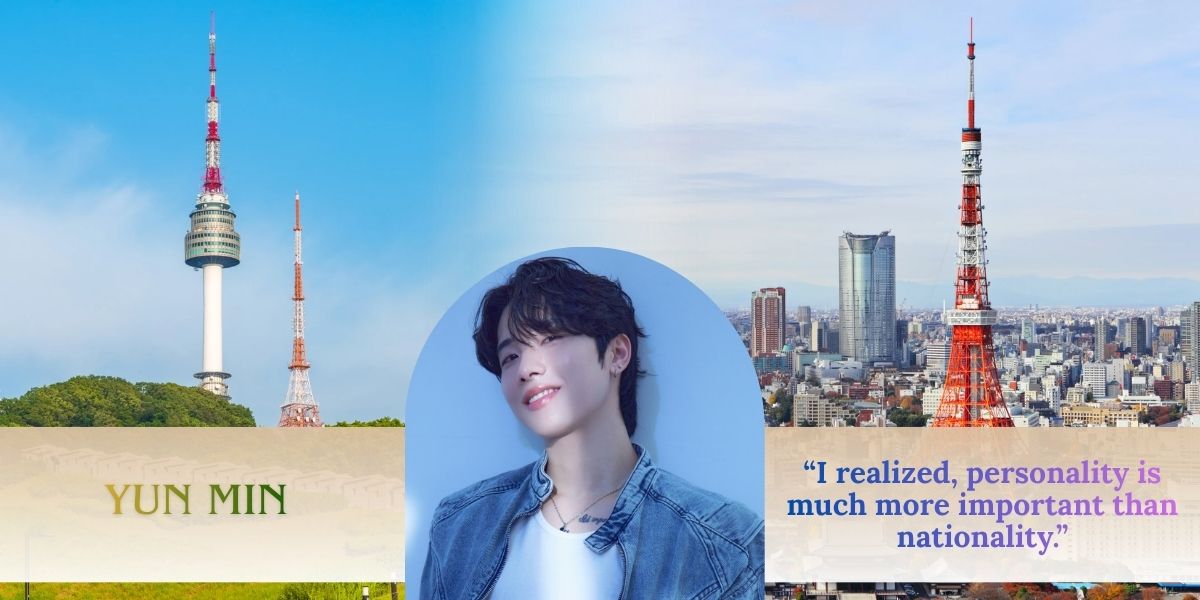
K-pop, K-dramas, and K-beauty introduced the world to Korean culture. However, a new generation of creators is carrying that influence forward in a far more personal way. Rather than polished performances, they offer something more immediate: real life, shared honestly, across borders. Yun Min is one of the clearest examples of this shift. A Korean content creator and emerging hip-hop and R&B artist based in Japan, he has built a community of more than 250,000 followers by sharing lifestyle, comedy, and cross-cultural content through the eyes of a Korean living abroad.
Now, as he expands into music alongside producers and songwriters from both Korea and Japan, Yun Min spoke with us about identity, authenticity, and what he believes comes next for the Korean Wave.
Meet Yun Min, Japan-Based Korean Content Creator
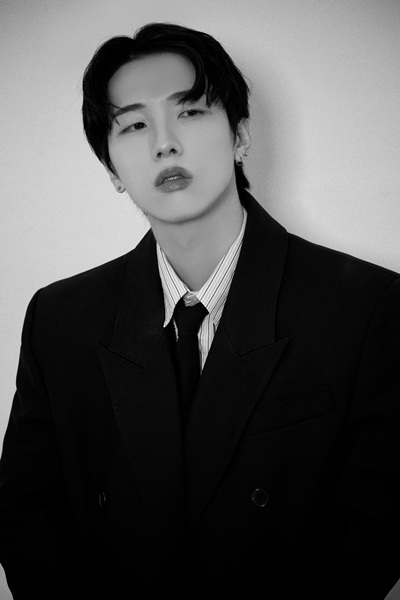


Yun Min is a Korean content creator and emerging hip-hop and R&B artist based in Japan, where he has built a strong digital presence by sharing lifestyle, comedy, and cross-cultural content through the eyes of a Korean living abroad. His authentic and relatable storytelling has attracted a community of more than 250,000 followers across social media platforms, including around 140,000 followers on Instagram, making him one of the notable Korean creators connecting with Japanese audiences.
Building on his success as a creator, Yun Min is now expanding into music, collaborating with producers and songwriters from both Korea and Japan. With several releases in the pipeline, including a new single set for release in July, he aims to bridge cultures through both music and digital storytelling. As he continues to work across the Korean and Japanese creative industries, Yun Min hopes to grow into a global artist whose work resonates with audiences beyond borders.
How Yun Min Is Bridging Korea and Japan, One Story at a Time
Creators as a Different Kind of Cultural Bridge
Yun Min sees K-pop and K-dramas as having done the heavy lifting of introducing Korea to the world. And, he counts himself among the people who benefited from that wave. But he believes creators fill a different role in that exchange, one built on proximity rather than spectacle. Where K-pop and dramas tend toward polish, he sees his job as showing the unfiltered version of life.
“Creators can show more personal, realistic, and relatable moments,” he says, pointing to his own life split between two countries as the natural source material.
“My daily life naturally reflects both cultures.”
Yun Min.
A Debt of Kindness That Became a Calling
Long before he had an audience, Yun Min had a fascination with Japan rooted in childhood. He’s loved Japanese anime since elementary school.
But the real turning point came roughly three years ago, during a difficult moment in Japan when strangers stepped in to help him with no expectation of anything in return. “Their kindness changed the way I looked at Japan,” he says. That experience didn’t just shift his perspective. It gave him a sense of obligation.
“I’ve wanted to live in a way that would make those people proud,” he explains, and creating content for Japanese audiences became the form that gratitude took.
Rewriting the Image of the “Korean Guy”
Aware that Korean men are often cast in a very specific light on screen: polite, confident, romantic, impeccably groomed, Yun Min set out to build on that image rather than simply repeat it
“I wanted to respect that positive image while also showing a more humorous and human side.”
Yun Min.
Instead of presenting a flawless persona, he leaned into the opposite: someone “funny, relatable, and genuine.” That willingness to be imperfect, he believes, is exactly what audiences responded to.
Gratitude Amid a More Cautious Climate
Yun Min doesn’t shy away from acknowledging that the climate has shifted somewhat since he started. “Some parts of Japanese society have become a little more cautious toward foreigners in general,” he admits. But he’s quick to balance that observation with what hasn’t changed: a genuine warmth from much of his audience.
“I still meet many Japanese people who have a genuine interest in Korea and Korean culture, and who continue to support Korean creators warmly. I always feel very grateful for that support.”
Yun Min.
Why Personality Beats Nationality
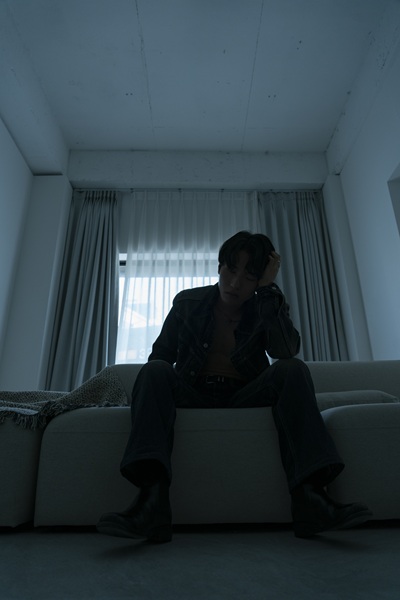
Stereotypes, Yun Min has found, run in both directions. Japanese audiences sometimes expect every Korean man to be effortlessly romantic and bold. Koreans, in turn, sometimes assume Japanese people are uniformly reserved and distant.
Years of living between both cultures have convinced him otherwise. “Personality is much more important than nationality,” he says simply. It’s a belief he tries to put into practice through his content, hoping to show “there is not just one type of Korean person or one type of Japanese person.”
The Universal Power of the Ordinary
Yun Min’s content leans heavily on lifestyle and comedy, and he has a clear theory for why that approach travels so well across borders. To him, authenticity and universality aren’t opposites. They’re directly linked.
“The more authentic something is to its own culture, the more universal it can become,” he says, citing Korean culture’s global rise as proof of the principle in action. He applies the same idea to his own work, choosing to spotlight “the everyday life, humor, and mindset of an ordinary Korean guy” rather than anything curated.
As he puts it, “Sometimes it is the most ordinary moments that people from different cultures relate to the most.”
From Followers to Genuine Connection
A series of collaborations marked a turning point in how Yun Min understood his own platform. Working not only with Korea-focused creators but also with creators based primarily in Japan reframed what he was actually building.
“It made me realize that I was not simply gaining followers, but building genuine connections between people from different cultures.”
Yun Min.
It’s a distinction that now shapes how he thinks about his community altogether.
Staying Korean While Living in Japan
Geographic closeness, Yun Min points out, doesn’t erase cultural difference. He’s spent years learning to navigate that gap thoughtfully. “I always try to understand and respect Japanese culture, but I also think carefully about how much I should adapt while staying true to my identity as a Korean,” he says. That balance is something he protects deliberately in his work, which is why, as he puts it, “my content always reflects my ‘Korean Guy’ character.”
Why Direct Connection Still Matters
Yun Min doesn’t see social media as having replaced traditional media’s influence. But he does think it’s added something traditional media can’t offer: immediacy.
“Social media has made cultural exchange much more direct and personal.”
Yun Min.
Being able to respond to comments and share daily life in real time, he believes, lets creators build cultural understanding in a way that feels personal rather than abstract.
Opportunity and Friction, Side by Side
Yun Min is optimistic about Japan’s potential for Korean creators, citing the country’s existing appetite for Korean culture and a creator industry he sees as still maturing compared to Korea’s. “Japanese audiences are often very supportive and tend to encourage creators over a long period of time,” he notes.
But he’s equally candid about the obstacles: language barriers, cultural gaps, and a social climate that has grown somewhat warier of foreigners.
“I believe it is especially important to understand and respect the local culture.”
Yun Min.
Bringing a Creator’s Instincts Into Music
As Yun Min steps into music, he’s leaning on the audience he’s already built. He’s careful not to overstate how directly that experience translates.
“Building an artist brand is very different from building a creator brand. so I am still learning a great deal from the talented people around me.”
Yun Min.
Even so, he sees his next chapter as an extension of the same mission: collaborating with producers and creators “from both Korea and Japan, and continue bringing people together through music as well.”
Becoming a Bridge, Not Just a Creator
When asked about his long-term role, Yun Min’s answer reaches well beyond content creation. He sees Korea and Japan’s entertainment industries as already deeply intertwined, and expects that relationship to keep deepening through people who move fluidly between both cultures.
His own ambition is to be one of those connective figures. “I do not want to be just a creator,” he says.
“I would like to become someone who connects creators, artists, companies, and audiences between Korea and Japan.”
Yun Min.
For Yun Min, that, more than any individual milestone, is the role he considers most meaningful.
What Comes After K-Pop
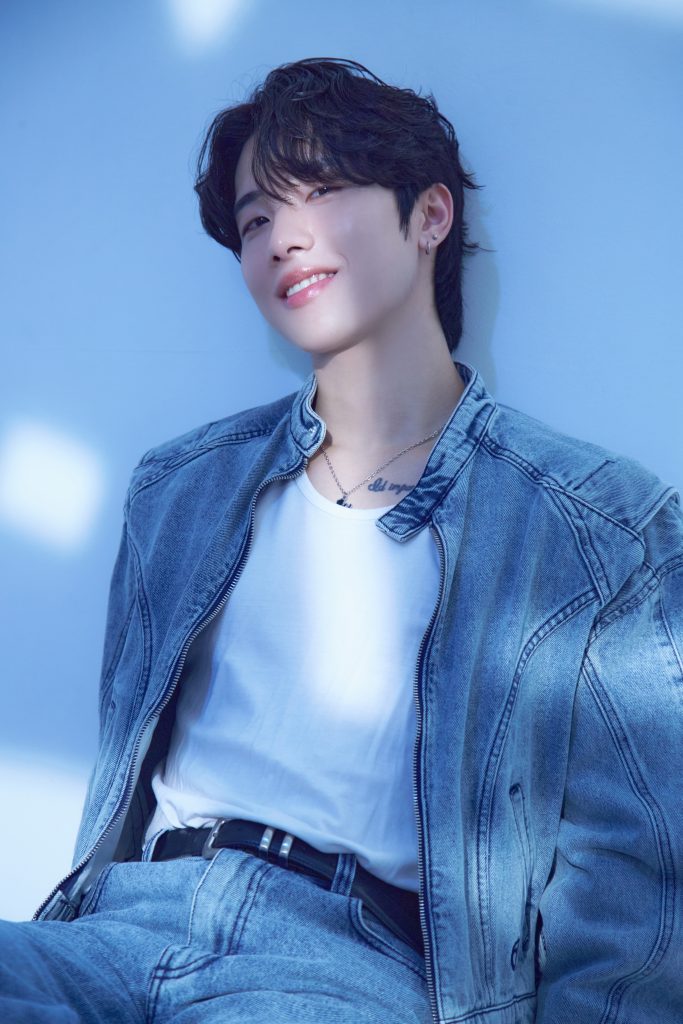
Asked what the next wave of Korean cultural influence might look like, Yun Min points first to fashion, predicting K-fashion could follow the same trajectory K-pop and K-beauty once did. But he’s careful to note that the next wave won’t be confined to a single industry. Instead, he expects it to be driven by people rather than products, by “creators [who] introduce Korean culture through their own personalities, lifestyles, humor, and perspectives.” In his view, that shift toward creator-driven exchange isn’t a side effect of the Korean Wave’s growth.
It’s the next chapter of it.
Get connected to Yun Min on his social media.
Join us on Kpoppost’s Instagram, Threads, Facebook, X, Telegram channel, WhatsApp Channel and Discord server for discussions. And follow Kpoppost’s Google News for more Korean entertainment news and updates.