

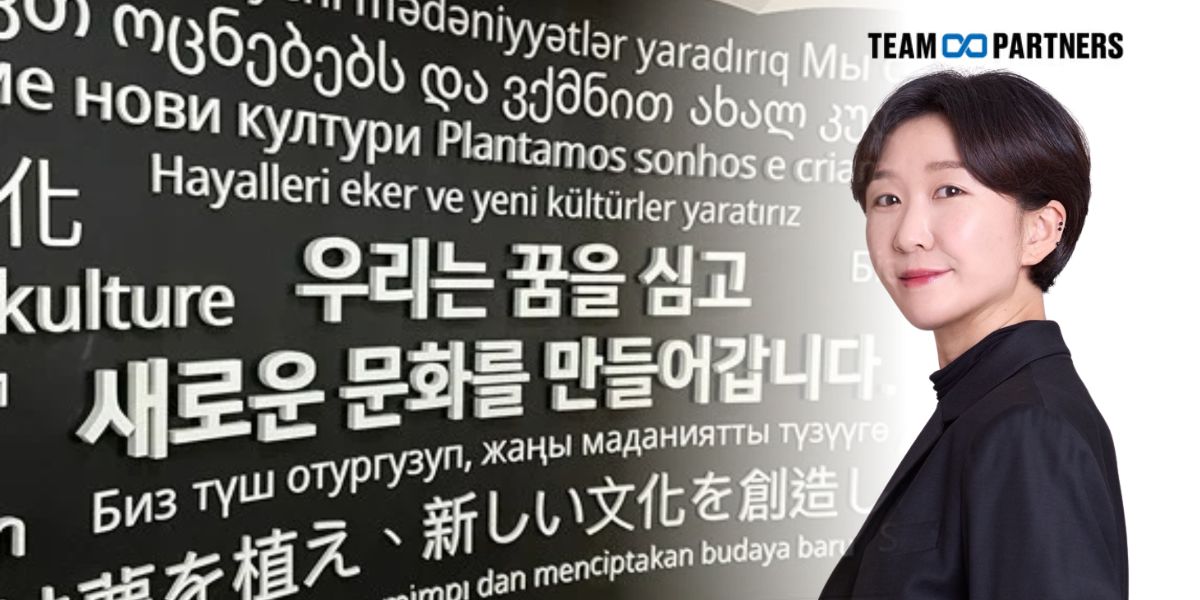
One in four people on earth is Muslim. Almost none of the brands riding the Hallyu wave have built anything for them yet. That gap — vast, largely untouched, and growing more visible by the year — is where Sunny Kim, CEO of Team8 Partners, is placing her next bet. In our previous conversation, Kim explained how she turned a BTS-branded tteokbokki meal kit into a case study on fandom and product durability. In this article, she widens the lens: can halal markets become the next great frontier of Korean entertainment and brands?
Halal Markets: The Two Billion People Korean Brands Haven’t Reached Yet
Fans Are Already There. The Products Aren’t.
Kim starts with scale. The global Muslim population sits at roughly two billion people, and the halal economy already spans food, beauty, fashion, pharmaceuticals, finance, and tourism. But the number that actually drives her strategy isn’t the market size. It’s the mismatch underneath it.
Across Southeast Asia, Central Asia, and the Middle East, Muslim consumers who already love K-pop and K-dramas are, in her words, “actively waiting for Korean brand products to reach them.” The fandom exists. The supply chain doesn’t.
“The gap between fans who exist and products that haven’t arrived yet is the business opportunity.”
Sunny Kim.
Faith Isn’t a Preference. It’s a Filter.
What separates Muslim-majority markets from other international markets, Kim argues, isn’t culture in the abstract. It’s structure. Halal compliance functions as a prerequisite for consideration, filtering out non-compliant products before marketing ever enters the conversation. It’s not a soft preference a campaign can talk someone out of. But clear that filter, she says, and something rare is waiting on the other side: a loyalty that spreads through word-of-mouth faster than any ad budget can buy.
Malaysia First, Then the Blue Ocean
Why Malaysia Is the Gateway
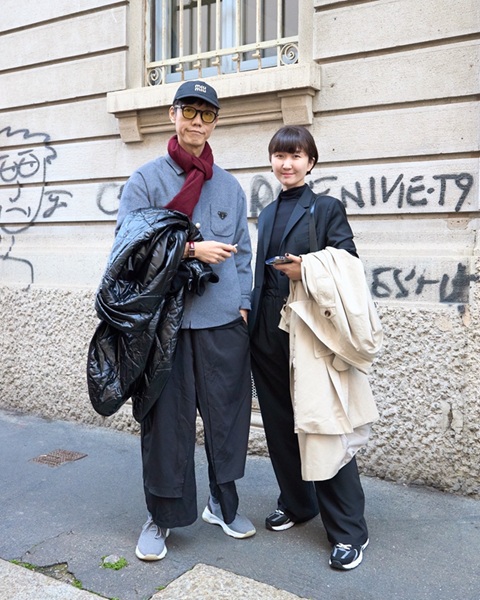
Team8 Partners is based in Malaysia. It’s a deliberate choice, not a default one. Kim points to the country’s multicultural makeup, where Muslim-majority communities coexist alongside Chinese-Malaysian and Indian-Malaysian populations, as the source of a consumer sophistication she hasn’t found elsewhere.
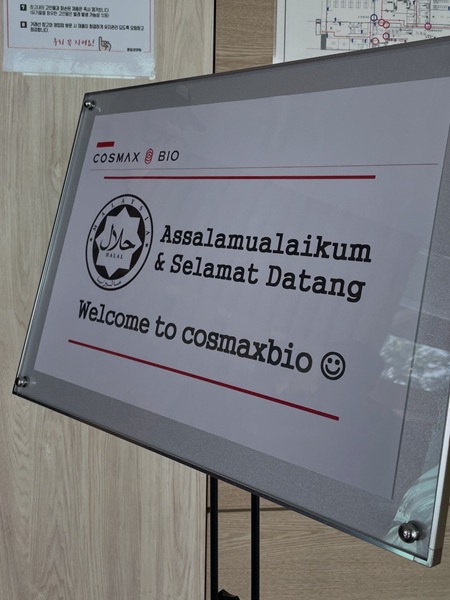
Malaysia also sets the regional benchmark for halal standards across Southeast Asia. She calls it “the gateway to the halal market”. It’s the base she plans to expand outward from into Indonesia, the Middle East, and Central Asia.
The Markets Nobody’s Mapped Yet
Ask Kim where she’s watching most closely, and she doesn’t name Saudi Arabia or the UAE. “Those,” she says, “are already known quantities.”
Instead, she points instead to Central Asia: Kazakhstan, Uzbekistan, Kyrgyzstan. Countries with striking K-pop fandoms and almost no Korean brand presence at all. She names the Indochina Peninsula next, where halal markets and K-content fandoms are expanding at the same intersection, simultaneously.
“The first-mover window is open right now. I’m in that window.”
Sunny Kim.
Clearing Up What Korean Companies Get Wrong
Kim hears the same three misconceptions repeatedly:
- “No pork, no alcohol — that’s halal.” In reality, certification requires full raw-material traceability, specific slaughter practices, and cross-contamination prevention across the entire production chain.
- “Halal only applies to food.” Halal beauty, fashion, and finance already operate at significant scale.
- “The halal market is only for Muslims.” The hygiene and ethical production standards halal certification demands carry genuine premium appeal for non-Muslim consumers too.
Each misconception, in Kim’s telling, isn’t just wrong. It’s a missed door.
Hallyu 1.0 Was Content. Hallyu 2.0 Is a Lifestyle.

From Watching to Living
Kim draws a sharp line between two eras. Hallyu 1.0, she says, was the era of watching: dramas, songs, idol content consumed on a screen.
Meanwhile, Hallyu 2.0 is the era of living it: eating Korean food, wearing Korean skincare, dressing in K-fashion, inhabiting spaces shaped by Korean aesthetics.
“Hallyu is infiltrating every layer of daily lifestyle.”
Sunny Kim.
This isn’t a metaphor for Kim. It’s a business thesis, and she believes its largest, deepest territory is the halal market itself.
Content-to-Commerce, Made Literal
She’s coined a term for what she sees happening: “content-to-commerce conversion.” A viewer watches a Korean drama on Netflix, then orders the product that appeared in it. A fan watches a music video, then adopts the skincare routine on screen. Designing that flow — intentionally, not accidentally — is, in Kim’s words, the core of what Team8 Partners does.
For Muslim fans specifically, she sees a structural gap still waiting to be filled: real demand for K-lifestyle products built to align with their faith, met by a supply that hasn’t caught up.
Three Blue Oceans, Barely Touched
Asked where the biggest untapped opportunities sit, Kim names three without hesitation:
- Halal K-beauty. Demand for alcohol-free, animal-derivative-free clean beauty already exists among Muslim consumers, but few K-beauty brands are meeting it yet.
- K-lifestyle categories. Health supplements, home care, everyday goods; fandom curiosity is rising faster than supply can keep up.
- Muslim-friendly Korean tourism. Muslim visitor numbers to Korea are climbing, but the country’s tourism infrastructure, like prayer spaces, halal restaurants, appropriate accommodation, hasn’t caught up.
That third one, she says, is “the most urgent and tangible blue ocean I see right now.”
The Bridge Kim Is Building
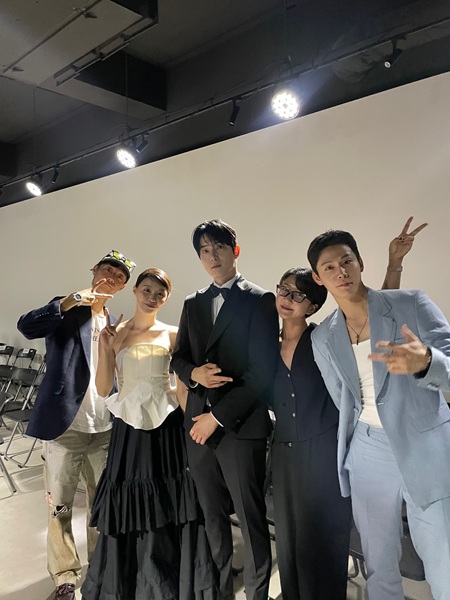
Kim doesn’t describe her long-term goal as market expansion. She calls it something closer to a civilizational exchange. A decade from now, she believes K-pop artists will perform as naturally in Riyadh, Cairo, and Tashkent as they do in Jakarta and Kuala Lumpur, with Korean brands embedded in those concert ecosystems from the start, not bolted on after the fact.
“I’m building the foundational architecture for that right now. Quietly, but with conviction.”
Sunny Kim.
It’s the same instinct that drove the Sinjeon tteokbokki partnership: fandom as ignition, product and trust as what actually lasts. Kim is simply applying it to a halal market twice the size of anything Korean entertainment and brands have tried to reach before.
Join us on Kpoppost’s Instagram, Threads, Facebook, X, Telegram channel, WhatsApp Channel and Discord server for discussions. And follow Kpoppost’s Google News for more Korean entertainment news and updates.